Pope Leo XIV Restores Pre-Pandemic Salaries for Cardinals and Vatican Officials
Pope Leo XIV has officially restored the salaries of cardinals and senior Vatican City officials to their pre-COVID-19 pandemic levels, bringing an end to
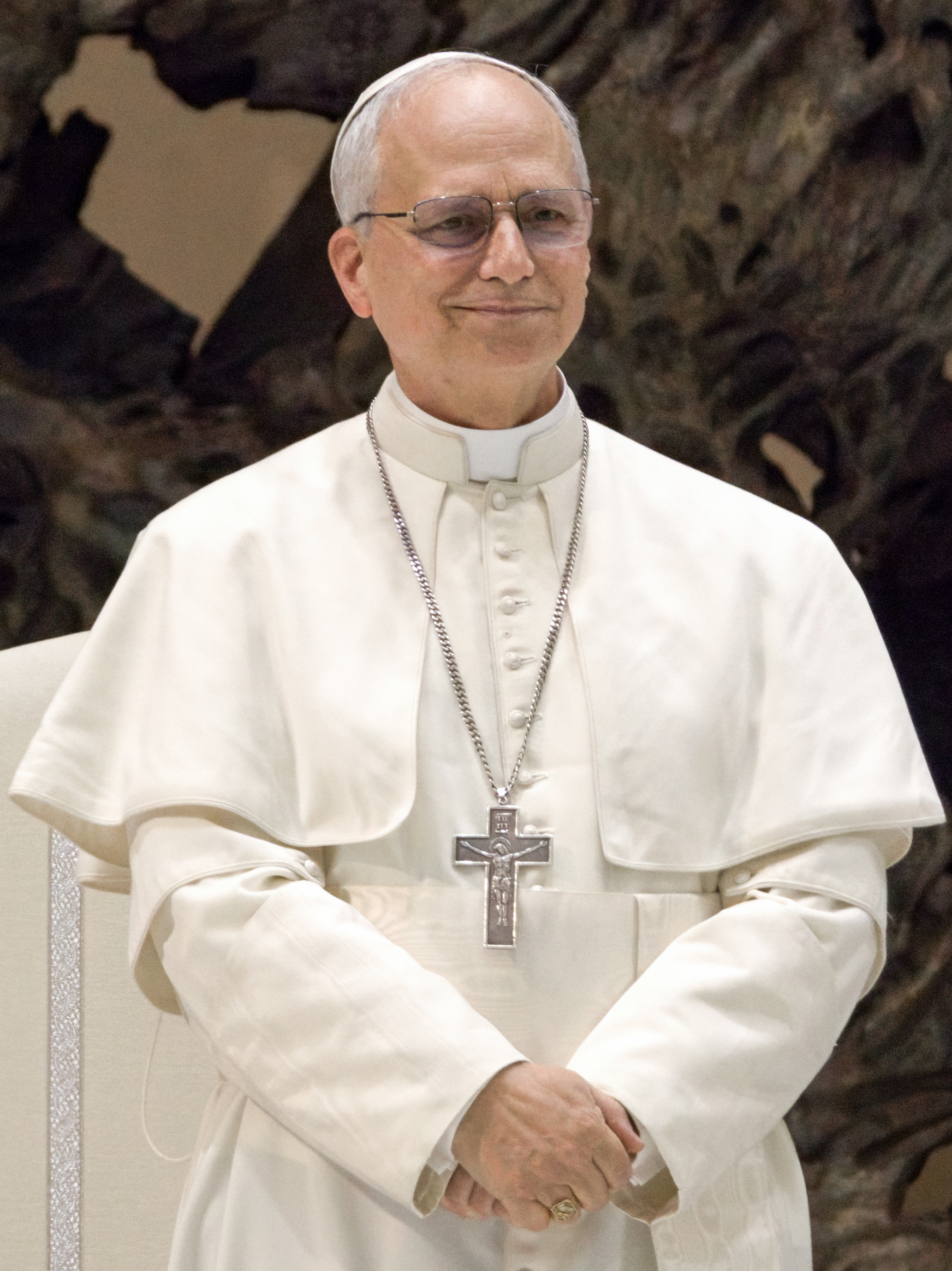
Pope Leo XIV has officially restored the salaries of cardinals and senior Vatican City officials to their pre-COVID-19 pandemic levels, bringing an end to the austerity measures originally implemented by his predecessor, Pope Francis, in 2021. The adjustment, which took effect on September 1, 2026, resets the baseline compensation for top Holy See administrators and members of the College of Cardinals, though it does not include retroactive pay for the years spent under the reduced wage structure.
The financial cutbacks were initially introduced at the height of the global health crisis when the Vatican faced severe revenue shortfalls. With international tourism halted, the Vatican Museums—traditionally a vital source of income—were forced to close for months, severely depleting the city-state's financial reserves. To mitigate the budgetary crisis and signal solidarity with broader economic hardships experienced globally, Pope Francis enacted a 10 percent reduction for cardinals, alongside scaled pay cuts ranging from 3 to 8 percent for heads of departments, secretaries, and other senior ecclesiastical and lay officials.
While the exact state of the Vatican’s current finances has not been fully detailed alongside the new decree, the decision to reverse the cuts suggests a stabilization of the Holy See’s revenue streams following the post-pandemic recovery of global tourism and pilgrimage. Supporters of the restoration argue that adequate compensation is necessary to attract and retain qualified secular and clerical professionals to manage the complex administrative affairs of the Roman Curia, particularly given the high cost of living in Rome and the demanding nature of Vatican leadership roles.
Conversely, the move may draw scrutiny from reform advocates and observers who viewed the 2021 austerity measures as an important symbolic commitment to financial prudence and fiscal transparency. Pope Francis’s tenure was marked by ongoing efforts to reform the Vatican’s notoriously opaque financial architecture, rein in persistent budget deficits, and address structural pension liabilities. How the Holy See plans to balance restored administrative salaries with its broader long-term economic sustainability remains a key test for the administration of Pope Leo XIV, who assumed the papacy in May 2025 following a conclave that highlighted the church's ongoing internal debates over governance and resource allocation.
For the wider international community and regional observers, developments within the Holy See carry distinct diplomatic and soft-power implications. As a unique sovereign entity under international law that maintains diplomatic relations with over 180 countries—including key regional partners in Europe, Latin America, and Asia—the administrative stability and financial health of the Vatican directly influence its global humanitarian and diplomatic footprint. A financially secure Holy See is better equipped to sustain its extensive network of global missions, charitable institutions, and peace-building initiatives, which frequently intersect with geopolitical stability and religious freedom concerns worldwide.
Produced by our editorial team, with AI assistance in editing.