
Polish Justice Minister seeks immunity waiver for top constitutional tribunal officials
Poland’s political landscape plunged into a fresh crisis on Wednesday as Justice Minister Waldemar Żurek formally requested the waiver of parliamentary imm
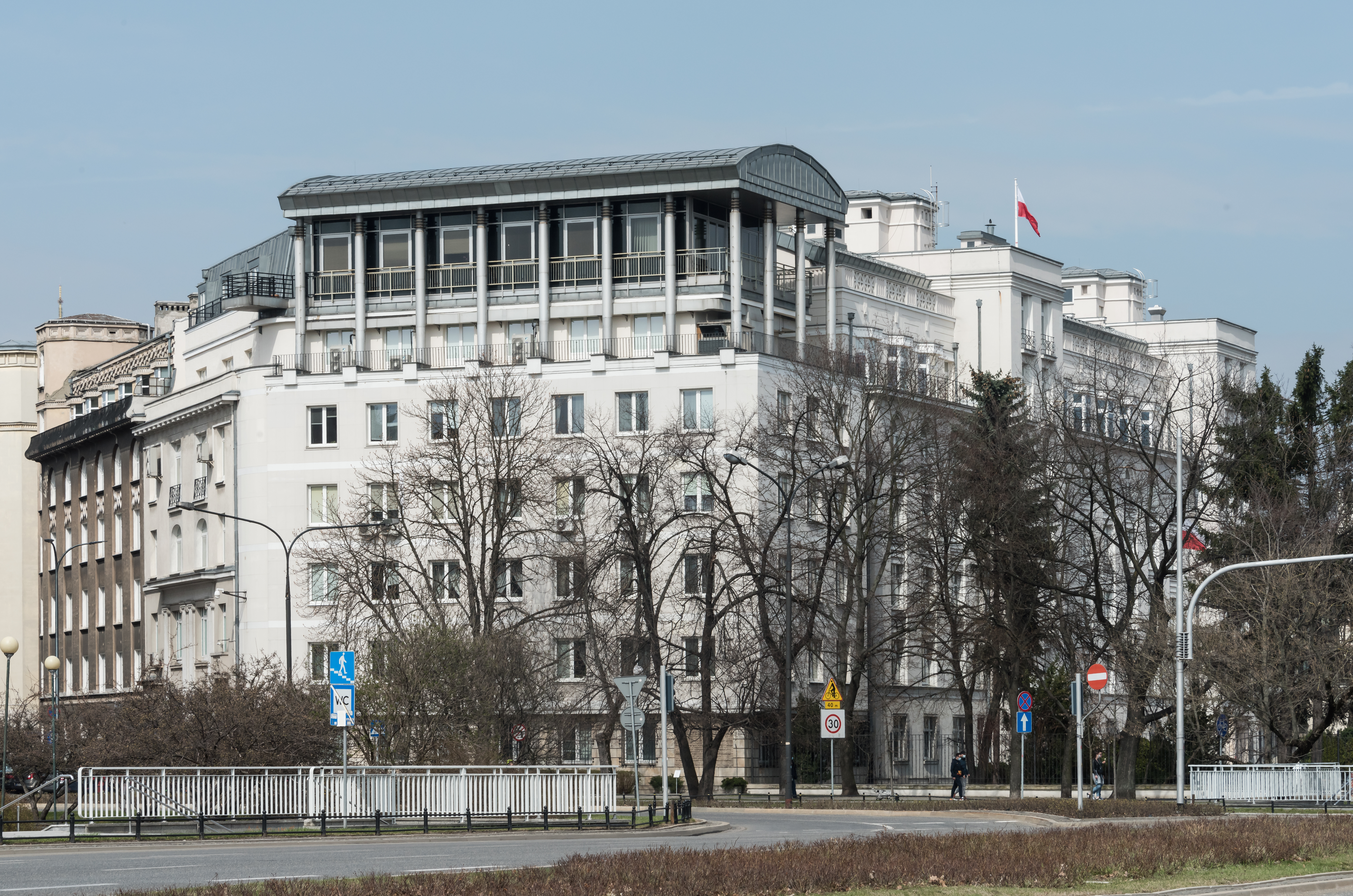
Poland’s political landscape plunged into a fresh crisis on Wednesday as Justice Minister Waldemar Żurek formally requested the waiver of parliamentary immunity for the president and vice president of the country's constitutional tribunal, Bartłomiej Sochański, paving the way for potential criminal charges against the judiciary’s top officials. The dramatic legal maneuver sent immediate shockwaves through Warsaw, prompting President Karol Nawrocki to cut short an official diplomatic visit to Senegal and board an emergency flight back to the Polish capital to manage the escalating institutional fallout.
The move marks the latest escalation in a protracted struggle over the rule of law, judicial independence, and the constitutional architecture of the Polish state. The Ministry of Justice, operating as the primary government body overseeing the nation's legal administration, has increasingly found itself at the center of institutional friction. Under the dual-hatted structure where the Minister of Justice also functions as the Public Prosecutor General—a powerful administrative tradition maintained for decades—the ministry holds substantial leverage in initiating high-profile investigations and scrutinizing past judicial appointments.
At the heart of the standoff is a fundamental disagreement over the legitimacy of the tribunal’s current leadership and the legality of numerous rulings handed down in recent years. Critics of the tribunal, backed by the current administration, argue that sweeping changes enacted by previous governments severely compromised the independence of the nation's highest legal bodies. Conversely, conservative factions and the tribunal’s leadership have decried these actions as political overreach and executive interference aimed at subverting independent judicial oversight.
President Nawrocki’s hurried return from West Africa underscores the gravity of the executive branch's concern over the unfolding judicial confrontation. With the head of state abruptly re-entering the domestic arena, political analysts anticipate an immediate consolidation of positions between the presidency and the tribunal's defenders. The formal request to strip Sochański and his deputy of their immunity must now navigate a complex legislative and constitutional process, setting the stage for a bitter institutional clash within Poland's centers of power.
This deepening standoff carries significant implications for the broader European Union, given that Poland remains a crucial geopolitical anchor on the bloc's eastern flank and a vital logistical hub for regional security and supply chains. For international partners and investors watching closely from Brussels and beyond, the stability of Poland's democratic institutions and the predictability of its legal system are paramount. Continued turmoil within the Polish judiciary risks prolonging friction with European regulatory bodies, potentially impacting economic confidence and the rule-of-law benchmarks essential for regional stability in Central Europe.
Produced by our editorial team, with AI assistance in editing.
