Police Rescue Twenty Hostages Unharmed After Botched Supermarket Robbery in Colombia
Twenty people were successfully rescued on Tuesday following a tense hostage situation at a supermarket in Cartagena, Colombia. The crisis unfolded after a
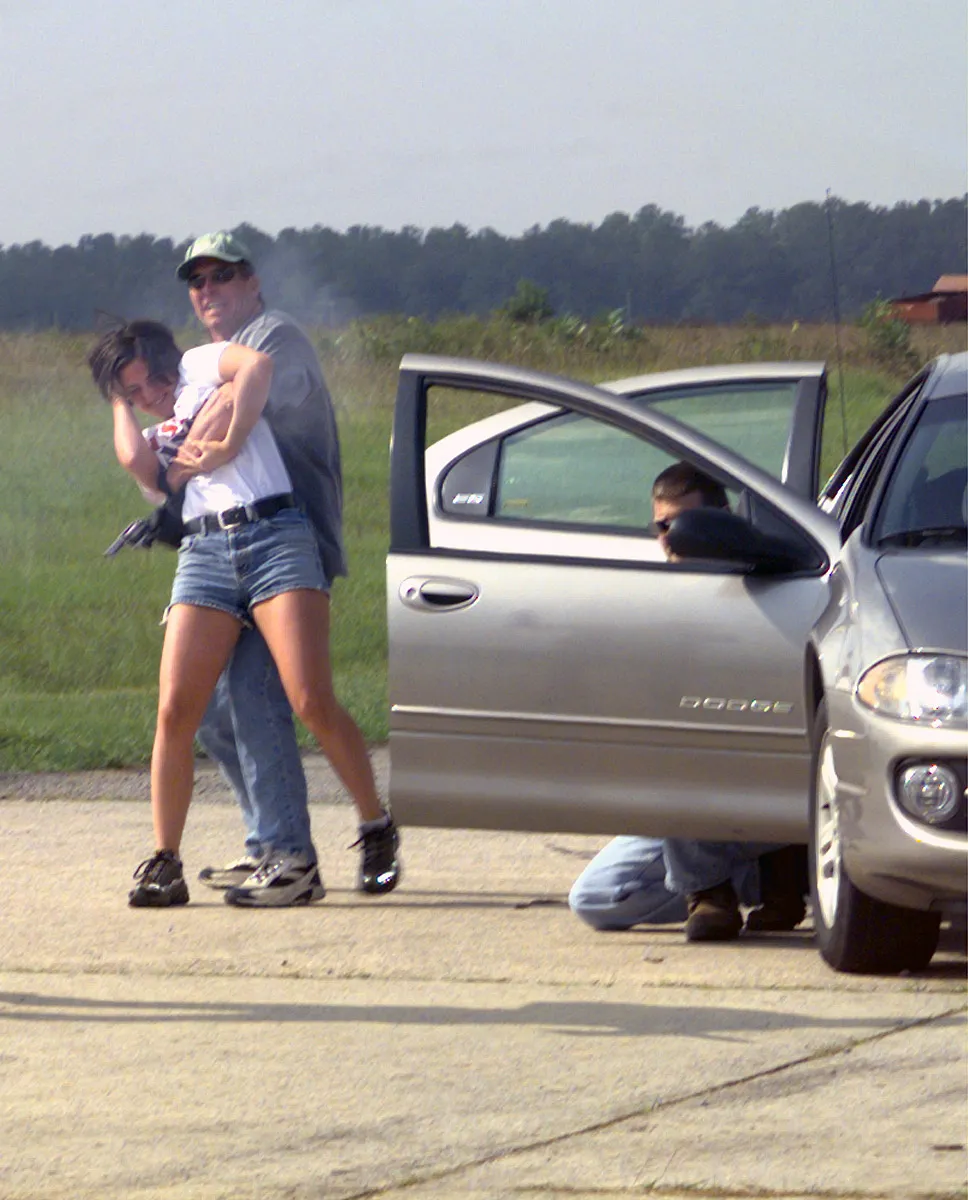
Twenty people were successfully rescued on Tuesday following a tense hostage situation at a supermarket in Cartagena, Colombia. The crisis unfolded after a heavily armed gang botched an attempted robbery targeting an armored cash-in-transit vehicle outside the commercial establishment. Confronted by a rapid police response, the perpetrators fled into the crowded store and seized patrons and staff as human shields to stave off law enforcement.
Security forces quickly established a perimeter around the supermarket, deploying specialized tactical units to negotiate and manage the evolving standoff. According to local authorities, the operation concluded when police breached the facility. One of the armed assailants was killed during the ensuing exchange of gunfire, while the remaining suspects were subdued and placed under arrest. Officials confirmed that all twenty hostages emerged from the ordeal physically unharmed and were immediately provided with medical evaluations and psychological support.
Hostage-taking in civil society typically operates as a criminal tactic distinct from traditional kidnapping for ransom, though both share overlapping enforcement challenges. While kidnapping generally involves abducting individuals to sequester them in hidden locations for monetary gain or political leverage, hostage-taking frequently occurs dynamically as a reaction to immediate law enforcement pressure—often transforming routine armed robberies or failed criminal enterprises into high-stakes standoffs. Criminologists note that these volatile scenarios severely restrict the operational window for security forces, demanding precise tactical restraint to safeguard civilian lives trapped in the crossfire.
The incident underscores the persistent security challenges facing urban centers in Colombia, where organized criminal networks frequently utilize military-grade weaponry and aggressive tactics during property crimes. Colombian law enforcement agencies have faced mounting pressure to balance rapid intervention protocols with the de-escalation of urban sieges, as criminal elements increasingly adapt to heavy policing by leveraging civilian populations for tactical protection during high-risk operations.
For the wider Latin American region, such high-profile urban security failures highlight the ongoing struggle against heavily armed domestic criminality and the strain placed on municipal emergency infrastructure. While the Cartagena incident was resolved without civilian casualties, it serves as a stark reminder of the volatility inherent in urban crime syndicates, prompting renewed regional discussions regarding intelligence-sharing, the containment of illicit arms trafficking, and the tactical preparedness of police forces facing sudden hostage crises.
Produced by our editorial team, with AI assistance in editing.