
Police fatally shoot knife attacker after Times Square stabbing kills one.
A woman armed with knives attacked two pedestrians on the bustling promenade of Times Square on Tuesday afternoon, fatally wounding one victim and injuring
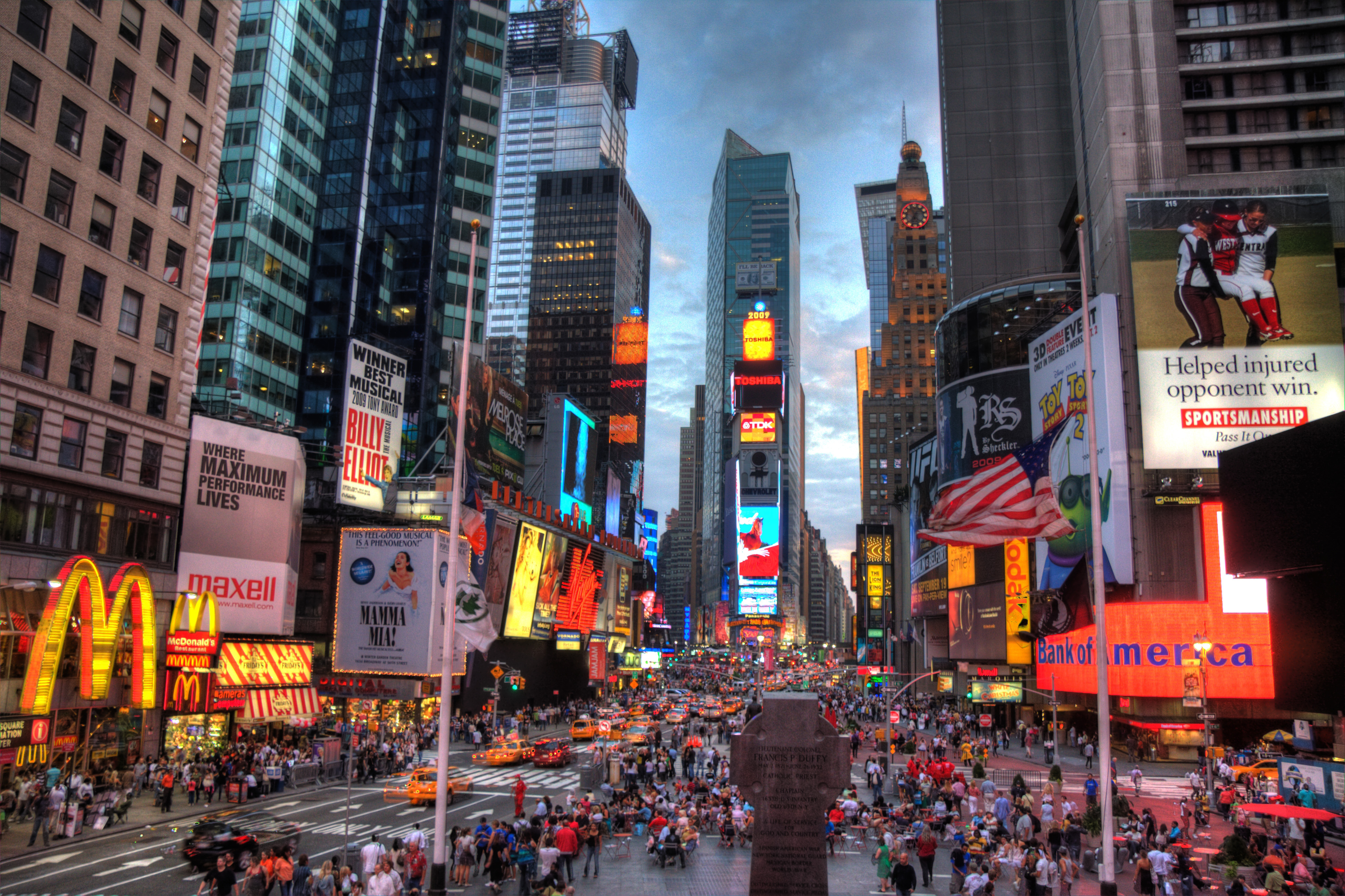
A woman armed with knives attacked two pedestrians on the bustling promenade of Times Square on Tuesday afternoon, fatally wounding one victim and injuring another before New York City police officers shot her dead after she refused repeated commands to drop her weapons. The incident unfolded near the intersection of Broadway and Seventh Avenue at approximately 2:45 p.m., prompting an immediate lockdown of nearby streets and the temporary suspension of service at the Times Square–42nd Street subway station.
Times Square, a five‑block bow‑tie‑shaped plaza that anchors Manhattan’s Theater District, is one of the world’s most heavily trafficked pedestrian zones. Roughly 330,000 people pass through the area each day, with visitor numbers swelling to more than 460,000 on the busiest days, according to city estimates. Its dense concentration of digital billboards, 24‑hour retail outlets and iconic venues draws an estimated 50 million tourists annually, making it a symbolic heart of New York’s entertainment and commerce sectors. The high footfall and constant flow of commuters have long required a robust security presence, including a permanent police precinct and a network of surveillance cameras.
City officials emphasized that the response to the stabbing was swift and coordinated. Police Commissioner Edward C. Banks released a statement noting that officers arrived on scene within minutes, issued clear verbal commands, and only discharged their firearms after the suspect continued to brandish the knives and posed an ongoing threat to bystanders. The NYPD’s Emergency Services Unit, which handles high‑risk incidents, was deployed to secure the area and assist emergency medical crews. Mayor Eric Adams, speaking from City Hall, expressed condolences to the victims’ families and pledged a thorough investigation, while also reaffirming the department’s commitment to maintaining public safety in “one of the world’s most iconic public spaces.”
The victims, identified by authorities as a 28‑year‑old male and a 34‑year‑old female, were transported to nearby hospitals; the male victim later succumbed to his injuries. Their families have not yet released statements, but legal experts note that the city’s liability will hinge on whether any lapses in security or emergency response contributed to the fatal outcome. Advocacy groups for victims of violent crime have called for a review of the city’s “knife‑related” incident protocols, arguing that the prevalence of such attacks in densely populated urban centers demands updated training and equipment for first responders.
Law enforcement agencies across the United States have been monitoring a rise in knife‑related assaults in public venues, a trend that some analysts attribute to the relative ease of acquiring such weapons and the difficulty of regulating them compared to firearms. The New York Police Department has previously highlighted its “Stop the Knife” initiative, which includes public awareness campaigns and increased patrols in high‑traffic districts. In the aftermath of the Times Square attack, officials indicated that the incident will be examined alongside other recent stabbings to assess whether current preventive measures are adequate or require reinforcement.
While the event bears no direct link to Taiwan, it underscores broader concerns about the security of global tourism hubs and the resilience of urban infrastructure in the face of spontaneous violence. Times Square’s role as a magnet for international visitors means that any perception of vulnerability can ripple through travel patterns, affecting airline bookings, hotel occupancy and the revenue streams of nearby businesses—including multinational brands that rely on the area’s foot traffic for sales. Moreover, the incident highlights the challenges city planners worldwide face in balancing open, accessible public spaces with the need for effective security protocols—a balance that is increasingly relevant as cities compete for tourism and investment in an interconnected global economy.
Produced by our editorial team, with AI assistance in editing.