
Poland Seeks Immunity Waiver for Top Constitutional Tribunal Officials in Escalating Crisis
Poland’s political landscape plunged into a fresh crisis on Wednesday as Justice Minister Waldemar Żurek formally requested the lifting of parliamentary im
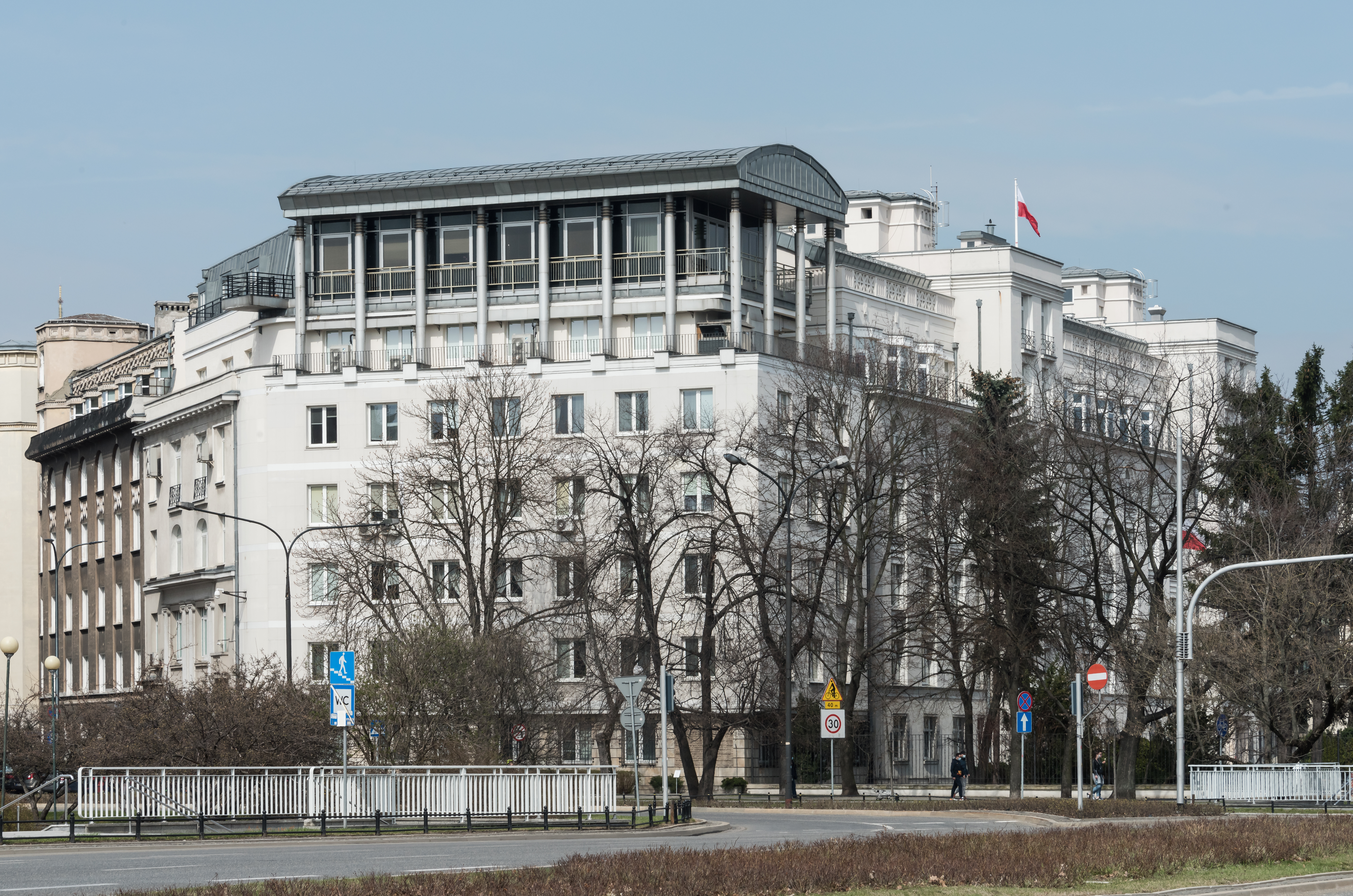
Poland’s political landscape plunged into a fresh crisis on Wednesday as Justice Minister Waldemar Żurek formally requested the lifting of parliamentary immunity for the president and vice-president of the constitutional tribunal, Bartłomiej Sochański, paving the way for potential criminal charges against the judiciary’s top officials. The dramatic move has sent shockwaves through Warsaw's institutional establishment, forcing President Karol Nawrocki to abruptly cut short an official diplomatic visit to Senegal and return to the capital to manage the escalating domestic fallout.
The request marks a significant escalation in the ongoing institutional friction surrounding Poland's judicial branch, an arena of intense political contestation for nearly a decade. Under Polish law, the Ministry of Justice—operating as the chief government administration body responsible for the justice sector—holds broad oversight regarding legal administration, while the dual role of Minister of Justice and Public Prosecutor General concentrates substantial authority over prosecutorial actions within the executive branch. This structural convergence has frequently placed the ministry at the center of fierce debates concerning the separation of powers and the independence of the judiciary from political interference.
The immediate implications for the constitutional tribunal remain uncertain as legal experts and parliamentary leaders debate the procedural hurdles required to strip Sochański and his deputy of their immunity. The tribunal itself has historically stood as a focal point for disputes over constitutional interpretation, the rule of law, and democratic norms, drawing intense scrutiny from both domestic political actors and European Union institutions. By targeting the tribunal’s leadership directly, the Justice Ministry’s latest initiative signals a hardening stance by the executive branch aimed at addressing perceived past irregularities within the nation's highest legal bodies.
President Nawrocki’s hurried return from West Africa underscores the gravity of the situation, transforming what was intended to be routine international engagement into a domestic crisis management exercise. The presidency now faces the delicate task of navigating a confrontation between the executive administration and key judicial figures, a dynamic that threatens to paralyze routine governance and deepen polarization within the Polish parliament. As opposition factions rally to defend the tribunal's leadership, the coming days are expected to see intense legal and political maneuvering in Warsaw.
For the wider European region, this latest institutional standoff in Poland serves as a crucial bellwether for the health of the rule of law on the continent's eastern flank. As a pivotal member state of both the European Union and NATO, Poland's internal stability and the integrity of its democratic checks and balances carry significant weight for regional security and governance. The resolution of this prosecutorial challenge will not only test the resilience of Poland's constitutional framework but also influence its standing within broader European cooperative structures.
Produced by our editorial team, with AI assistance in editing.
