
Pakistani Police Suffer 11 Fatalities in Ambush by Armed Militants in Northwestern Region.
A severe attack targeting government security personnel occurred in the Hangu region of Pakistan's northwestern Khyber Pakhtunkhwa province on the previous
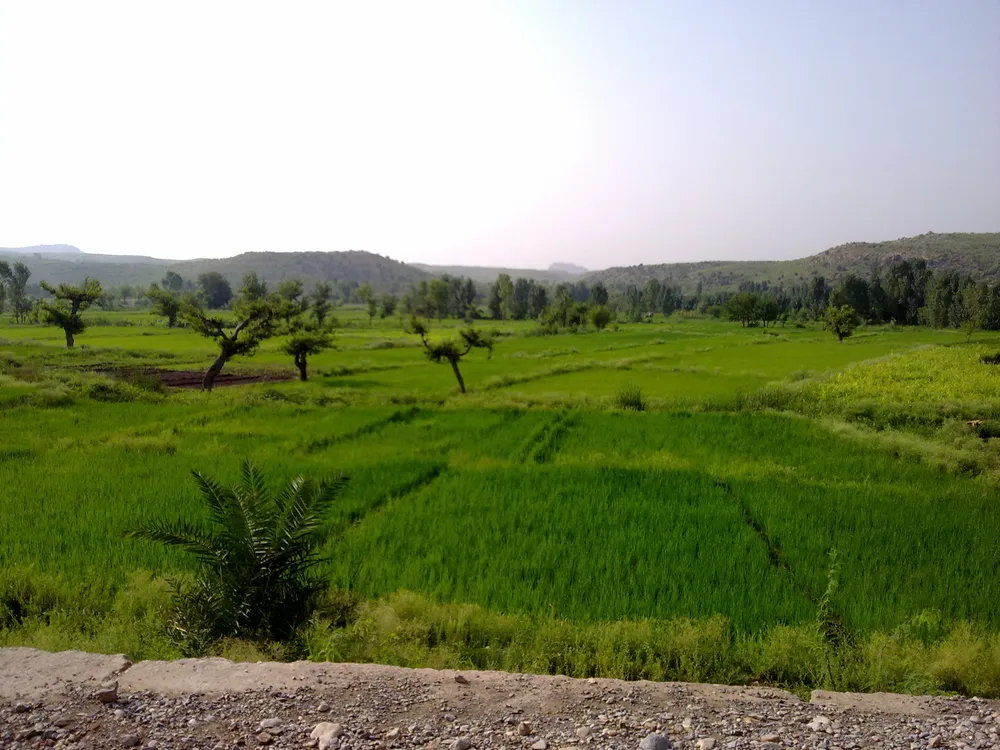
A severe attack targeting government security personnel occurred in the Hangu region of Pakistan's northwestern Khyber Pakhtunkhwa province on the previous day. According to the latest statistics, the violent incident has resulted in the deaths of at least 11 police officers. This attack once again highlights the long-standing security threats faced by Pakistan's northwestern border regions, where local law enforcement and security personnel frequently become targets for armed militants while performing their duties, leading to a persistent deterioration of the local security situation.
Hangu is located in Pakistan's northwestern Kohat division, an extremely sensitive geographical area. The region is situated near the border between Pakistan and Afghanistan and adjoins Afghanistan's Khost Province. The terrain in this region is complex, encompassing part of the Miranzai Valley and bordering the Samana Range, a unique geographical environment that has long provided space for armed organizations to operate and hide in the border area, making it extremely challenging for Pakistani security forces to patrol and defend the region.
In recent years, the violence along Pakistan's northwestern border has increased, driven by changes in regional geopolitics. In addition to facing challenges from local armed groups, the region has been affected by transnational extremist organizations. Despite the Pakistani government's continued deployment of large numbers of police and military forces to combat the issue, the long border and difficult mountain terrain make it difficult for security forces to eliminate the threat, with militants frequently employing guerrilla tactics to launch surprise attacks, resulting in significant casualties among security personnel and placing a heavy psychological burden and security risk on local police officers.
This recent deadly attack on police in the Hangu region not only dealt a blow to the morale of Pakistan's law enforcement units but also sparked debate about the effectiveness of the country's anti-terrorism strategy in the northwestern region. The Pakistani high-ranking officials have launched an investigation into the incident and pledged to strengthen border control and counter-terrorism efforts. However, the key to effectively cutting off the resources of transnational armed organizations and improving the economic and social structures of border provinces remains a deep-seated challenge for the Pakistani government in maintaining national security.
For Taiwan, this police attack in a distant region of South Asia reflects the long-term instability caused by border governance failures and extremism in some geographically fragmented areas. Although Pakistani internal security and Taiwan's trade and investment ties have no direct connection, this kind of event highlights the complexity of contemporary nations in facing non-traditional security threats, cross-border terrorism, and regional border defense. Understanding these international dynamics can help Taiwanese readers with a focus on democratic governance and stable public order to gain a broader perspective on the structural challenges faced by different regions around the world in terms of national security and geopolitics.
Produced by our editorial team, with AI assistance in editing.
