Oxygen Cylinder Explosion at Tharparkar Hospital Kills Ten, Sparks Safety Concerns
An ambulance parked in a medical facility in Tharparkar, Sindh Province, Pakistan, was struck by an explosion that killed ten people and injured several ot
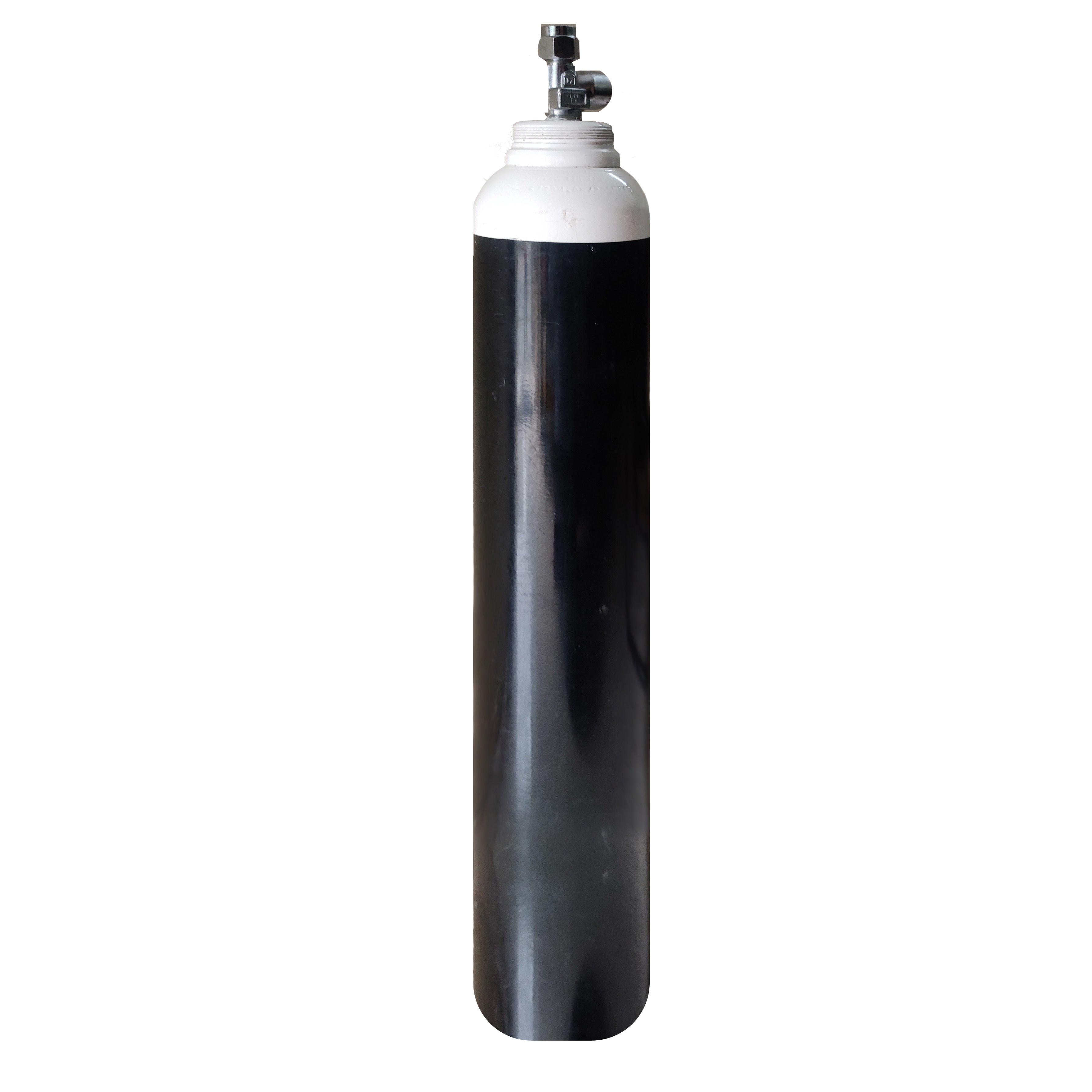
An ambulance parked in a medical facility in Tharparkar, Sindh Province, Pakistan, was struck by an explosion that killed ten people and injured several others. The blast occurred when an oxygen cylinder on the vehicle ruptured, sending fragments of metal and shrapnel across the emergency department. Hospital staff and emergency responders were on the scene within minutes, but the damage was already severe. The incident has raised immediate concerns about the safety of oxygen delivery systems used in Pakistan’s public health sector, where shortages of medical oxygen are already a chronic problem.
Oxygen cylinders are high‑pressure vessels designed to store and transport oxygen for medical use. They may contain oxygen as a compressed gas or as a cryogenic liquid, depending on the application. The cylinders are typically made of steel or composite materials and are equipped with pressure relief valves to prevent over‑pressurisation. When these cylinders are damaged, improperly stored, or subjected to mechanical shock, they can rupture catastrophically, producing a violent explosion that can cause severe injury or death. In the Tharparkar case, investigators suspect that a defective valve or a manufacturing flaw may have led to the catastrophic failure, although the exact cause has yet to be confirmed.
Pakistan’s health system has struggled to meet the oxygen demand of its growing population, a challenge that intensified during the COVID‑19 pandemic. Hospitals across the country have routinely faced shortages of both oxygen cylinders and the infrastructure needed to store and transport them safely. In 2022, a series of cylinder explosions in Karachi and Lahore prompted the Ministry of Health to issue new safety guidelines for the handling of oxygen equipment. Despite these measures, incidents like the Tharparkar blast highlight the persistent risks associated with aging equipment and limited regulatory oversight. Local officials have vowed to conduct a thorough review of the ambulance’s maintenance records and the cylinder’s certification status.
The incident also underscores a broader regional concern: the reliability of medical supply chains in South Asia. Countries in the region rely heavily on imports of medical oxygen cylinders and related equipment from manufacturers in China, Germany, and the United States. Any disruption—whether due to safety failures, quality control lapses, or logistical bottlenecks—can have immediate, life‑threatening consequences for patients in emergency and intensive care settings. The Tharparkar explosion has prompted calls for stricter quality assurance protocols and more transparent reporting of safety incidents across the region’s medical equipment market.
For Taiwan, the incident carries indirect but significant implications. As the world’s leading producer of semiconductor chips, Taiwan’s economy is deeply integrated into global supply chains, including those that supply critical medical equipment. A heightened awareness of safety standards in medical devices can influence Taiwan’s own regulatory frameworks and export controls, potentially prompting Taiwanese manufacturers to adopt more rigorous testing regimes for oxygen delivery systems destined for international markets. Moreover, the incident serves as a reminder of the importance of resilient health infrastructure in the face of supply chain vulnerabilities—a lesson that resonates with Taiwan’s own experience during the COVID‑19 pandemic, when shortages of personal protective equipment and medical supplies exposed gaps in domestic production capacity.
Ultimately, the Tharparkar tragedy is a stark reminder that the life‑saving benefits of oxygen therapy come with inherent risks that must be carefully managed. Ensuring that oxygen cylinders meet stringent safety standards, maintaining proper storage conditions, and enforcing regular inspections are essential steps to prevent future accidents. The incident also highlights the need for coordinated regional efforts to strengthen medical supply chains, protect vulnerable patients, and safeguard the health of communities across South Asia.
Produced by our editorial team, with AI assistance in editing.