Over 30 Killed in Illegal Landfill Collapse in Conakry, Guinea
At dawn on 12 August 2023, nearly 30 residents were killed when an illegal landfill in Conakry, the capital of Guinea, collapsed, leaving at least 30 peopl
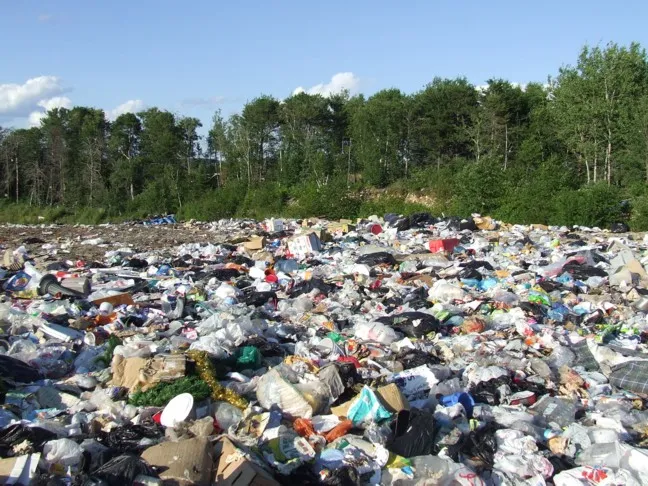
At dawn on 12 August 2023, nearly 30 residents were killed when an illegal landfill in Conakry, the capital of Guinea, collapsed, leaving at least 30 people dead and six injured. The accident occurred on the city’s western side at the site known locally as the Conakry Dump Hill. The hill had long served as a temporary waste dumping area, and many residents lived at its base or made a living there. Rescue teams rushed to the scene after receiving a report and found roads covered with large amounts of earth, rubble and rotting waste; the operation was made difficult by unstable terrain and a lack of mechanical equipment.
Landfills are the earliest and most widespread method of waste disposal. Although systematic daily, layered covering began in the 1940s, many developing countries continue to operate landfills in a temporary, unreinforced manner. The Conakry landfill is an unplanned “temporary storage” type that lacks seepage prevention, leak protection, and structural reinforcement, causing the soil to liquefy during the wet season. Local officials said that recent heavy rainfall rapidly increased soil saturation, directly triggering the collapse; however, international environmental organisations point out that the site has long suffered from insufficient regulation and funding, and its safety risks have been ignored for years.
Following the incident, the Guinean presidency swiftly ordered the creation of an investigative commission and demanded that relevant ministries review the country’s national waste‑management policies and supervisory mechanisms. At a press conference, the Guinean Minister of the Environment pledged to accelerate the construction of legal landfills and to partner with the United Nations Development Programme (UNDP) to introduce modern waste‑sorting and recycling systems. Local community leaders criticised the government’s long‑standing neglect of infrastructure in low‑income areas, arguing that such disasters are a direct result of “poverty and environmental injustice,” and called for international aid and non‑governmental organization intervention to provide emergency relocation and long‑term reconstruction plans.
The environmental impact of the landfill extends beyond structural safety. Untreated waste releases methane and other greenhouse gases, exacerbating global climate change. Leachate—a liquid that drains from landfill sites—contains heavy metals and organic pollutants; if not properly collected and treated, it can contaminate groundwater and surrounding farmland. Water supplies in the Conakry area are already scarce, and the infiltration of leachate into underground aquifers would further endanger the health and livelihoods of local residents. Experts warn that unless the landfill is stabilized and sealed, its environmental and social risks will persist.
For Taiwan, this tragedy underscores safety blind spots in waste management and urban planning. Taiwan has achieved significant progress in waste reduction, resource recovery, and a “zero‑landfill” policy, yet it still faces challenges in managing
Produced by our editorial team, with AI assistance in editing.