Nāʻālehu Resident, 90, Dies as First Confirmed Casualty of Hurricane Lala
On Monday, local authorities in Nāʻālehu, a small community on Hawaii’s Big Island, confirmed that a 90‑year‑old resident had died following the onslaught
On Monday, local authorities in Nāʻālehu, a small community on Hawaii’s Big Island, confirmed that a 90‑year‑old resident had died following the onslaught of Hurricane Lala. The storm, which struck the island in the early hours, left more than 100,000 residents without electricity, according to the state’s Department of Public Safety. The death, the first confirmed casualty of the hurricane, was reported by the Hawaii County Emergency Operations Center after a search and rescue team reached the victim’s home in the community’s southernmost district.
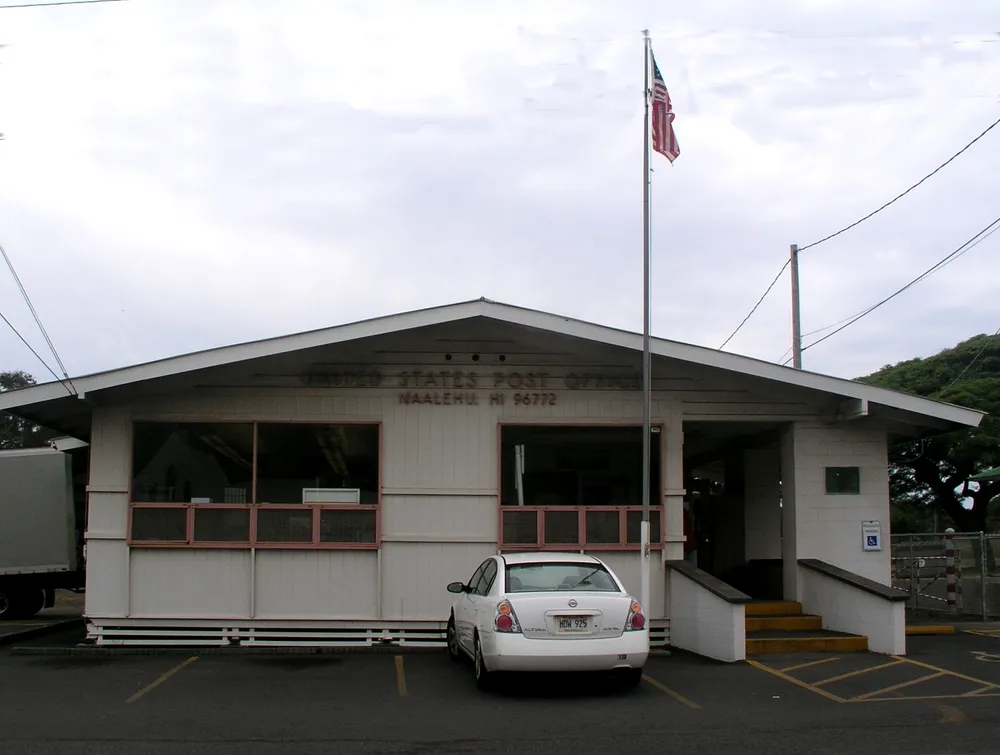
Nāʻālehu sits along the southeastern coast of Hawaiʻi County, a region whose name means “the volcanic ashes” in Hawaiian. As a census‑designated place, it had a population of 866 in 2010, down from 919 a decade earlier. Though small, the community is notable for its remote location and its post office, the island’s southernmost federal facility. The area’s low population density and rugged terrain have historically made it vulnerable to the island’s frequent tropical cyclones, yet the recent storm’s intensity far exceeded typical seasonal expectations.
Hurricane Lala, classified as a Category 3 storm at its peak, made landfall near Hilo on the morning of the 12th, bringing sustained winds of 115 mph and heavy rainfall that triggered flash floods and landslides across the southeastern slopes. Power crews from Hawaiian Electric and the U.S. Army Corps of Engineers were mobilized to restore service to critical facilities, including hospitals and water treatment plants. Despite a rapid response, the sheer scale of the damage—broken transmission lines, submerged substations, and widespread downed trees—has delayed restoration efforts, leaving the majority of residents without power as the storm’s aftermath continues to unfold.
In the wake of the disaster, the Hawaii County Emergency Operations Center coordinated with federal agencies, including the Federal Emergency Management Agency (FEMA), to dispatch relief supplies and set up temporary shelters. The county’s Office of the County Attorney opened a coroner’s office to investigate the circumstances of the 90‑year‑old woman’s death, noting that preliminary reports suggest she suffered a heart attack triggered by the storm’s chaotic conditions. Meanwhile, local volunteers have been instrumental in distributing food, water, and blankets to stranded households, underscoring the community’s resilience amid crisis.
The broader implications of Lala’s devastation extend beyond immediate humanitarian concerns. Hawaii’s economy, heavily reliant on tourism, has already suffered significant losses from the abrupt halt in visitor arrivals. Moreover, the island hosts several critical infrastructure assets that feed into the United States’ broader energy and defense network, including submarine cable endpoints and a strategic military base. Disruptions in these systems can ripple across the region, affecting supply chains for high‑tech industries, notably semiconductor manufacturing, which depends on reliable power and stable logistics—elements that are now compromised.
For Taiwan and the wider Indo‑Pacific region, the events in Nāʻālehu serve as a stark reminder of the fragility of interconnected supply chains and the importance of robust disaster preparedness. Taiwan’s semiconductor industry, a linchpin in global technology production, already contends with supply‑chain bottlenecks and geopolitical pressures. Natural disasters such as Hurricane Lala, which can sever critical infrastructure links and interrupt the flow of goods, highlight the necessity for diversified sourcing and resilient logistics networks. As the world becomes increasingly susceptible to climate‑driven extreme weather, stakeholders in both the United States and Taiwan must prioritize investments in resilient infrastructure, cross‑border coordination, and adaptive supply‑chain strategies to safeguard against similar disruptions in the future.
Produced by our editorial team, with AI assistance in editing.