
Mysterious Oil Rain Falls in Moscow, Raising Environmental and Climate Concerns.
Residents in Moscow have reported a strange phenomenon known as "oil rain," with large amounts of black smoke visible within the city. This has sparked wid
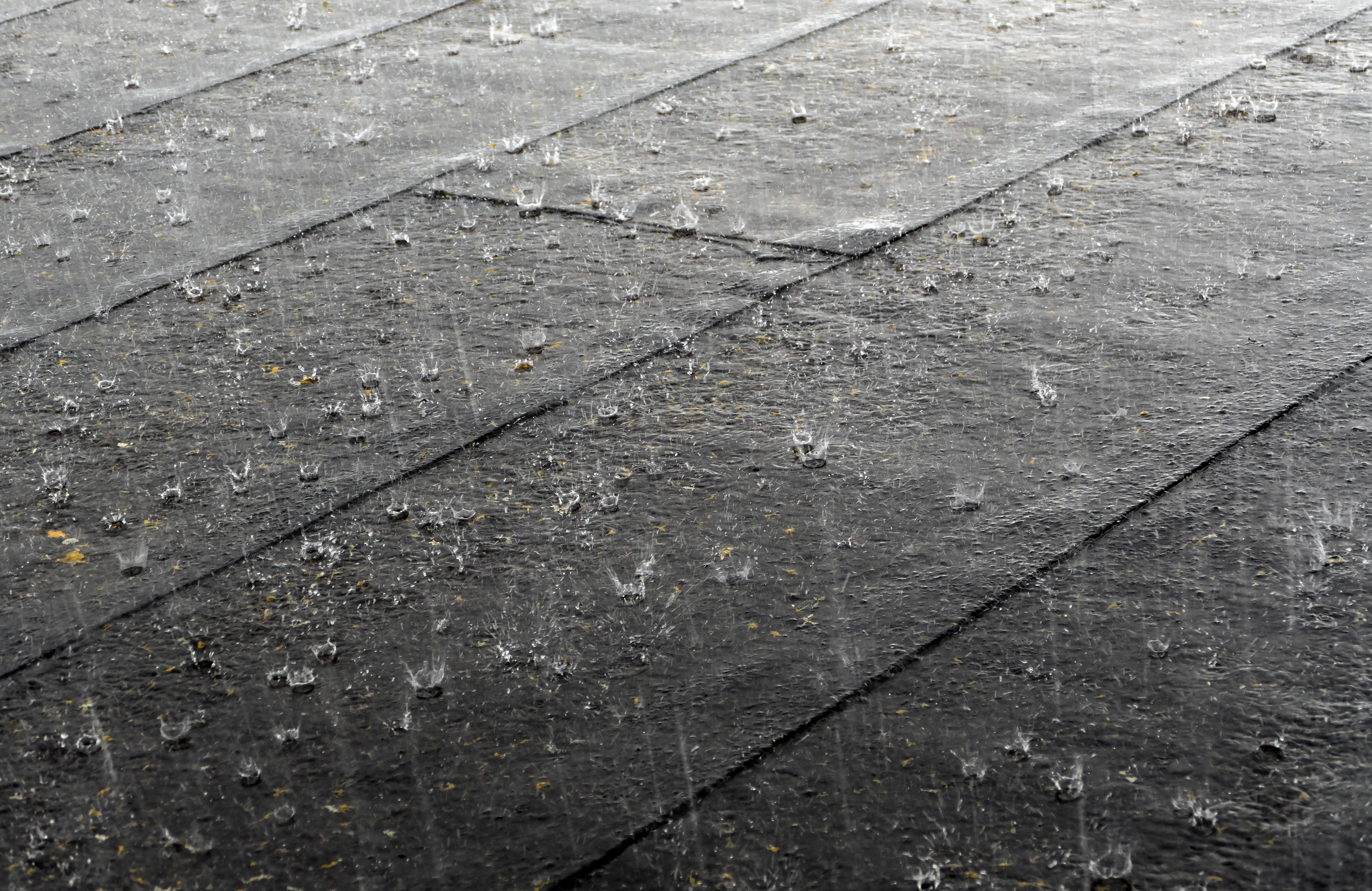
Residents in Moscow have reported a strange phenomenon known as "oil rain," with large amounts of black smoke visible within the city. This has sparked widespread concern, with local governments and environmental agencies conducting investigations into the causes and effects of the incident.
According to meteorological data, rain is formed when water vapor in the atmosphere condenses into droplets that fall to the ground due to gravity. Rain is an essential component of the water cycle, providing the majority of Earth's freshwater sources. In addition to supplying water for hydropower plants and agricultural irrigation, rain also creates a suitable environment for many ecosystems. The formation of rain primarily occurs when water vapor moves along three-dimensional temperature and humidity gradients, known as weather fronts. When there is sufficient moisture and upward movement, rain falls from cumulonimbus clouds, which are characterized by strong vertical upward motion, such as thunderstorms, and these clouds can organize into narrow rain bands. In mountainous regions, when winds blow up the slope, they cause moisture to condense, resulting in precipitation, particularly on the windward slopes of mountains. On the leeward side of mountains, due to downhill movement, air becomes heated and dries, resulting in dry climates.
This recent "oil rain" event in Moscow may be related to local industrial activities or traffic emissions, or it could be caused by some special meteorological conditions. To determine the causes and effects of this phenomenon, scientists and environmental agencies need to conduct further research and investigations. At the same time, local governments should take measures to reduce industrial and traffic emissions, protect the environment, and ensure public health.
Moreover, the Moscow "oil rain" incident has also raised concerns about climate change and environmental protection. Global climate change has led to an increase in extreme weather events, including heavy rain, droughts, and heatwaves. Additionally, industrial and traffic emissions have exacerbated air pollution, posing a significant threat to human health and the environment. Therefore, governments around the world and international organizations need to take more proactive measures to address climate change and environmental protection challenges.
In response to the Moscow "oil rain" incident, the Russian government and environmental agencies need to take swift and effective measures to address the impacts and causes of this event. Meanwhile, the international community should also pay attention to this incident, learning from Moscow's experience and improving their own environmental protection and climate change mitigation capabilities.
Although the Moscow "oil rain" incident is not directly related to Taiwan, it has significant importance in understanding international climate change and environmental protection challenges. As an island nation, Taiwan faces unique concerns and demands for addressing climate change and environmental protection. Therefore, the Taiwanese government and the public need to continue paying attention to and learning from international environmental protection and climate change mitigation experiences to improve their own environmental protection and climate change mitigation capabilities, protecting Taiwan's environment and public health.
Produced by our editorial team, with AI assistance in editing.