Moldova's Gagauzia Region Heads to Gubernatorial Runoff After Inconclusive Vote
Voters in Moldova’s autonomous region of Gagauzia headed to the polls over the weekend to elect a new governor, known as the bashkan, alongside 35 members
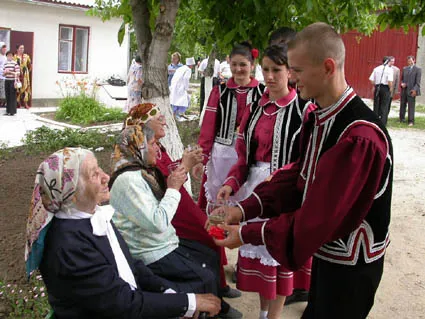
Voters in Moldova’s autonomous region of Gagauzia headed to the polls over the weekend to elect a new governor, known as the bashkan, alongside 35 members of the regional legislature, the People’s Assembly. As ballots were tallied, election officials announced that former Prosecutor General Alexandr Stoianoglo and regional politician Fiodor Gagauz secured the highest shares of the vote, though neither achieved the absolute majority required to avoid a runoff. The two candidates will now face each other in a second-round contest scheduled for later this month.
The election unfolds against a backdrop of long-standing political friction between Comrat, the regional capital of Gagauzia, and the central government in Chișinău. The Gagauz people—a Turkic-speaking, predominantly Eastern Orthodox Christian minority native to southern Moldova and parts of southwestern Ukraine—have historically maintained a distinct cultural and political identity. Granted a high degree of regional autonomy in 1994 following the collapse of the Soviet Union, Gagauzia frequently finds its local leadership at odds with Chișinău's pro-Western foreign policy trajectory, particularly regarding European Union integration and relations with Moscow.
During the campaign, domestic socio-economic challenges intersected heavily with questions of regional autonomy and foreign alignment. The position of bashkan carries substantial administrative and political weight, acting as both the head of the local executive branch and an ex-officio member of the Moldovan national government. Regional voters expressed acute concern over high inflation, energy security, and the future of agricultural exports, which have traditionally relied on traditional markets in the east.
Both advancing candidates navigated a complex political landscape that demands a delicate balance between representing local grievances and engaging with national institutions. Stoianoglo, a prominent figure on the national political stage with strong regional roots, ran on a platform emphasizing legal reform, administrative competence, and pragmatic dialogue with Chișinău. Gagauz, a seasoned local parliamentarian, drew support by focusing on the preservation of regional powers, social welfare provisions, and the protection of the Gagauz language and cultural heritage within the broader Moldovan state.
The outcome of the upcoming runoff holds significant implications for Moldova's internal stability as the country navigates its path toward European integration. With Chișinău striving to implement sweeping judicial and administrative reforms required for EU accession, the political alignment of regional authorities in autonomous territories like Gagauzia remains crucial. Observers note that a constructive working relationship between the incoming bashkan and the central government will be vital in preventing domestic polarization and ensuring that Moldova's regional divisions are managed through institutional channels rather than escalating confrontation.
Produced by our editorial team, with AI assistance in editing.