
Mercedes-Benz Secures Ninth Consecutive World Constructors' Championship at São Paulo Grand Prix
Mercedes-Benz secured its ninth consecutive World Constructors' Championship in premier single-seater motorsport following a decisive points haul at the Sã
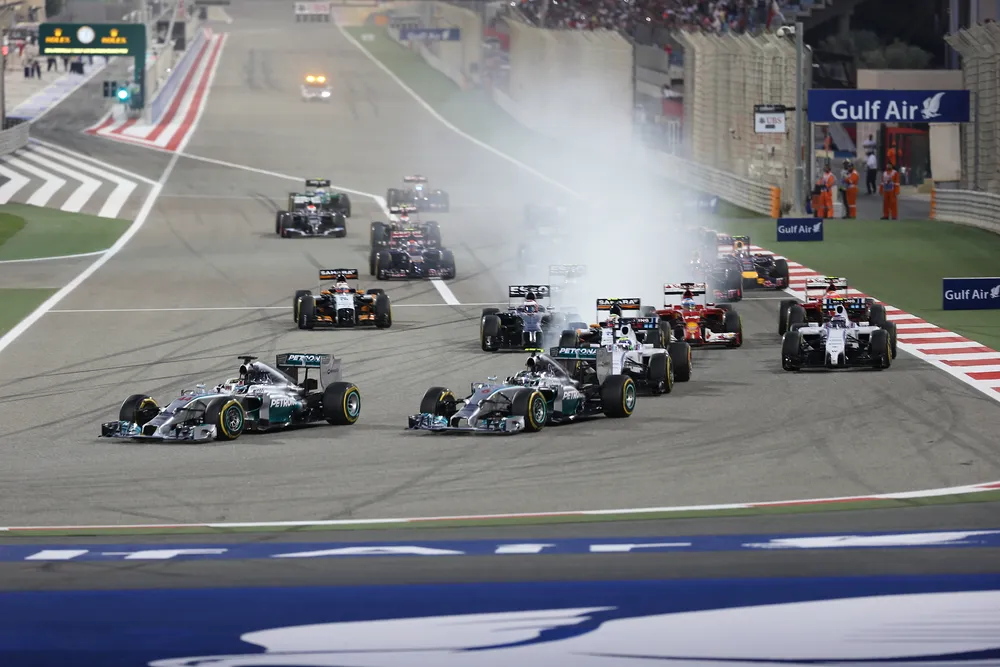
Mercedes-Benz secured its ninth consecutive World Constructors' Championship in premier single-seater motorsport following a decisive points haul at the São Paulo Grand Prix in Brazil. Team drivers George Russell and Kimi Antonelli crossed the finish line in fourth and fifth places respectively, accumulating sufficient points to mathematically seal the team's ongoing dominance in the championship's modern era.
The latest triumph reinforces the German manufacturer's standing in open-wheel racing, a category governed by the Fédération Internationale de l'Automobile (FIA) through strict technical and sporting regulations. These rule sets, originally established after the Second World War to govern single-seater racing vehicles, range from top-tier global competitions to regional feeder series like Formula Two and Formula Three. Within this structured hierarchy, Formula One represents the pinnacle of motorsport engineering, combining immense financial investment with cutting-edge automotive research.
Throughout the season, Mercedes-Benz navigated fierce competition under a complex technical framework that balances open development rules with strict cost-cap regulations. The team's success was built upon a strategic blend of veteran technical execution and emerging driver talent. The pairing of George Russell, established as a race-winning contender, alongside newcomer Kimi Antonelli proved pivotal as the team adapted to shifting aerodynamic regulations and evolving power-unit technologies across diverse global circuits.
This latest world title highlights the broader role that elite motorsport plays as a high-speed laboratory for automotive innovation, directly influencing the passenger vehicle sector. Technologies refined under the intense pressures of the championship—particularly hybrid power units, advanced energy recovery systems, and lightweight composite materials—frequently migrate to commercial production vehicles, driving global advancements in efficiency and sustainability that resonate across international industrial supply chains.
Produced by our editorial team, with AI assistance in editing.
