Mekelle Cancels Ashenda Festival Amid Drone Attack Concerns
The annual Ashenda festival, a month‑long celebration of women that has been a staple of Mekelle’s social calendar for centuries, has been called off this
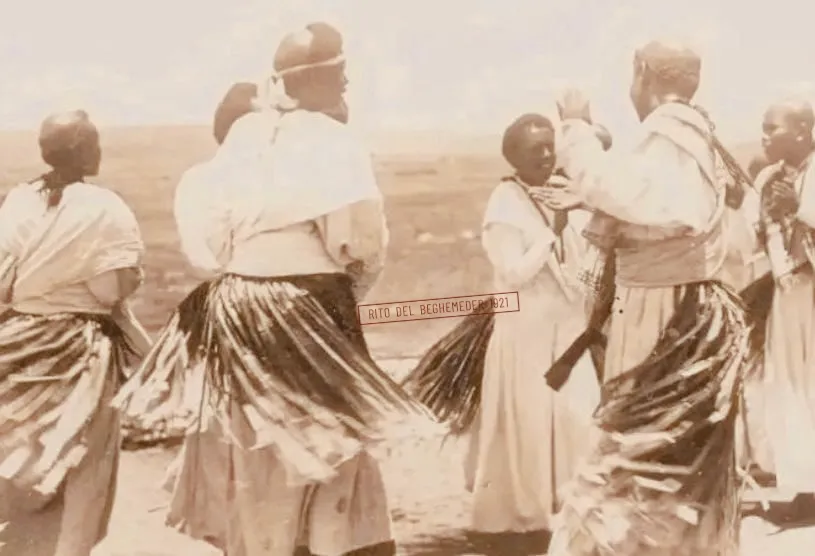
The annual Ashenda festival, a month‑long celebration of women that has been a staple of Mekelle’s social calendar for centuries, has been called off this year amid fears of drone attacks. Local officials announced the cancellation on 12 August after a series of aerial strikes in the Tigray region that left the city’s infrastructure damaged and its population in heightened alert. The decision, made by Mekelle’s mayor and the regional Tigray Defense Forces (TDF), was aimed at preventing potential casualties during the festival’s traditionally large street gatherings.
Ashenda, which dates back to the 4th century AD in the ancient Axumite kingdom, is a uniquely Tigrayan rite that honors women and girls through door‑to‑door singing, gift‑giving, and communal feasts. The festival follows the two‑week fasting period of Filseta, a religious observance that venerates the Virgin Mary. Historically, Ashenda has served as both a cultural touchstone and a social safety net, with women collecting money and food from neighbours during the procession. In recent years, the festival has grown into a symbol of regional identity, drawing participants from across Ethiopia and the Tigrayan diaspora worldwide.
The conflict that began in November 2020 between the Ethiopian federal government and the Tigrayan People's Liberation Front (TPLF)‑led TDF has turned the Tigray region into a war zone. Drone strikes, artillery shelling, and ground battles have repeatedly targeted civilian infrastructure, including schools, hospitals, and marketplaces. According to the United Nations Office for the Coordination of Humanitarian Affairs, more than 20,000 civilians have been killed in Tigray as of early 2024, with thousands more displaced. The heightened security threat has made public gatherings increasingly risky, prompting local authorities to suspend Ashenda and other cultural events.
The decision has drawn divergent responses. TDF commanders, who have claimed responsibility for the region’s defense, argued that the cancellation is a temporary measure to safeguard civilians, emphasizing that the festival’s postponement is not a political statement but a humanitarian one. Meanwhile, the Ethiopian federal government’s spokesperson stressed the importance of maintaining order and preventing any escalation of violence during public events. Human rights groups, such as Amnesty International, have called for an independent assessment of the security situation to determine whether cultural events can resume safely. Diaspora communities in Nairobi and Washington, D.C., expressed disappointment, noting that the festival is a vital link to their heritage and a means of preserving communal bonds amid displacement.
The cancellation of Ashenda underscores the broader impact of armed conflict on cultural life. While the event itself may seem local, its disruption reverberates through the social fabric of the Tigray region, weakening traditions that have historically fostered resilience and identity. In a wider context, the situation highlights how insecurity can erode cultural heritage, a concern shared by many regions grappling with instability, including parts of the Asia‑Pacific. For Taiwan, where cultural festivals such as the Lunar New Year and the Dragon Boat Festival play a key role in community cohesion, the situation in Tigray serves as a reminder that safeguarding cultural practices requires robust security and diplomatic engagement, lest they be sacrificed amid broader geopolitical tensions.
Produced by our editorial team, with AI assistance in editing.