
Medieval Bulgarian Tsar Samuil's remains repatriated from Greece after decades.
The remains of Tsar Samuil, one of the most prominent rulers of the medieval First Bulgarian Empire, have been repatriated to Bulgaria after decades of del
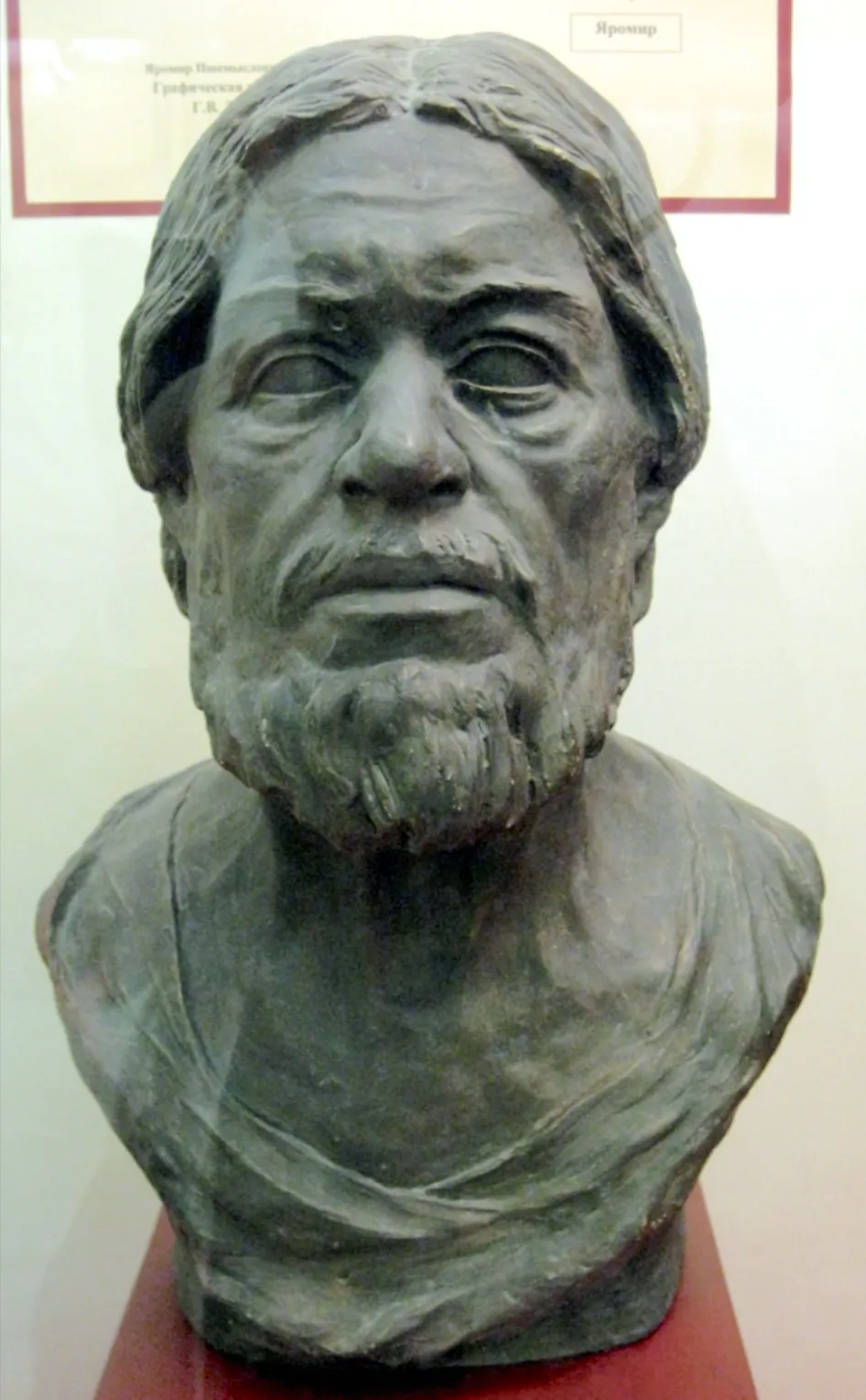
The remains of Tsar Samuil, one of the most prominent rulers of the medieval First Bulgarian Empire, have been repatriated to Bulgaria after decades of delicate diplomatic negotiations with Greece. The homecoming of the monarch, who died in 1014 following a catastrophic defeat by the Byzantine Empire, marks a significant moment for Sofia in its efforts to reclaim and honor its medieval heritage. The bones had been held in Greece since their excavation in the 20th century, prompting persistent cultural and diplomatic appeals from Bulgarian authorities for their return.
Samuil’s historical significance stems from his desperate and prolonged struggle to preserve Bulgarian independence against the relentless expansionism of Byzantine Emperor Basil II. Initially serving as a military commander and co-ruler alongside nominal royalty, Samuil assumed full imperial authority in 997. His early reign was marked by bold military campaigns that expanded Bulgarian influence across the western Balkans, including incursions into Serbian principalities, Croatia, and Hungary, while successfully repelling Byzantine incursions.
However, the geopolitical tide turned decisively at the turn of the millennium. From 1001 onward, Samuil was forced into a defensive posture against the superior and well-resourced armies of Basil II, who earned the moniker "Bulgar-Slayer" for his ruthless subjugation of the region. The conflict culminated in the disastrous Battle of Kleidion in August 1014, where the Bulgarian army was decimated. According to historical accounts, Samuil suffered a fatal heart attack just months later, reportedly brought on by the shock of seeing his blinded surviving soldiers returned to him. The First Bulgarian Empire collapsed entirely four years after his death.
For decades, the physical resting place of Samuil remained a point of quiet contention and scholarly debate between Greece and Bulgaria, reflecting the sensitive nature of medieval history in the modern Balkans. The eventual agreement to return his remains highlights a growing diplomatic maturity and a shared desire among regional neighbors to resolve cultural property disputes through bilateral cooperation rather than historical grievance. The repatriation allows Sofia to provide a formal state resting place for a sovereign who remains a powerful symbol of national resilience.
While historical repatriations of this nature primarily resonate within cultural and domestic spheres, they underscore the enduring power of historical memory in southeastern Europe. Managing the legacies of ancient empires and contested borders remains a vital component of contemporary regional stability, demonstrating how modern states use the diplomacy of heritage to build mutual trust and foster constructive cross-border relations.
Produced by our editorial team, with AI assistance in editing.