
Medieval Bulgarian monarch Tsar Samuel's remains returned from Greece after decades
The remains of Tsar Samuel, one of the most prominent monarchs of the First Bulgarian Empire, have returned to Bulgaria after decades of diplomatic and aca
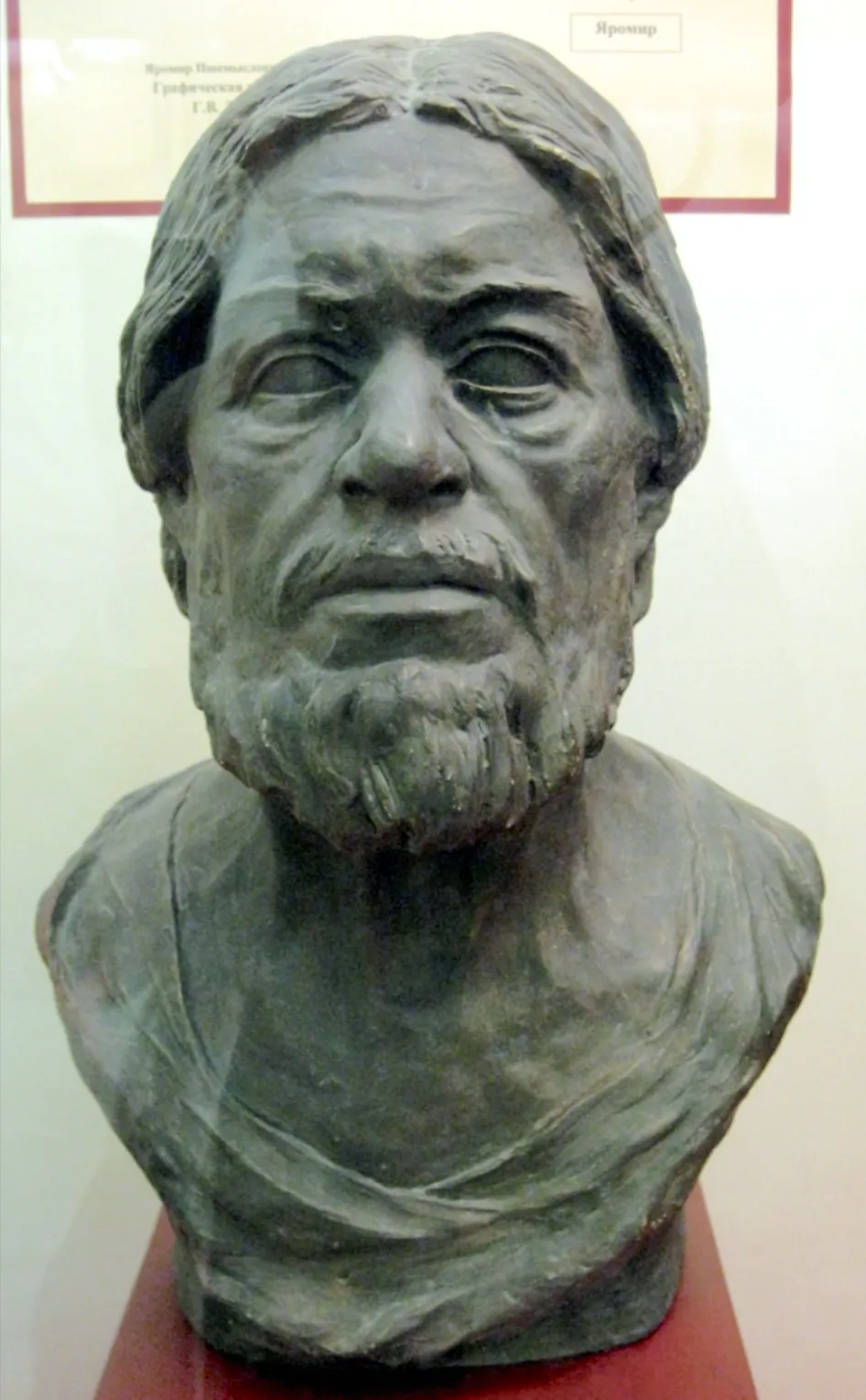
The remains of Tsar Samuel, one of the most prominent monarchs of the First Bulgarian Empire, have returned to Bulgaria after decades of diplomatic and academic negotiations with Greece. The repatriation of the medieval ruler’s bones marks the conclusion of a long-standing cultural and historical dialogue between Sofia and Athens, bringing back a central figure of Balkan history to the soil where he reigned more than a millennium ago.
Samuel ruled Bulgaria from 997 until his death on October 6, 1014, following a period of effective co-rule and military leadership under preceding monarchs. His reign was defined by an existential and relentless struggle to preserve Bulgarian independence against the territorial ambitions of the Byzantine Empire and its emperor, Basil II. During the early years of his sovereignty, Samuel successfully expanded his realm, launching campaigns into Byzantine territory and extending Bulgarian influence across the western Balkans, including the Serb principality of Duklja, Croatia, and parts of Hungary.
However, the tide of the protracted conflict turned decisively around 1001, as superior Byzantine forces began to systematically wear down the Bulgarian defenses. The protracted warfare culminated in the catastrophic defeat at the Battle of Kleidion in 1014, an engagement that broke the military backbone of the First Bulgarian Empire. According to historical records, Samuel suffered a fatal heart attack upon seeing the blinded remnants of his captured army return home, an event that heralded the collapse of the state and its eventual absorption into the Byzantine Empire just a few years later.
For generations, the resting place of the medieval tsar remained a subject of historical interest and national sensitivity in the region. Samuel’s remains had been held in Greece following archaeological excavations in the mid-20th century, prompting periodic calls from Bulgarian authorities for their return. The successful conclusion of negotiations reflects a growing willingness among neighboring Balkan states to resolve historical and cultural disputes through bilateral cooperation, transforming artifacts of past conflict into catalysts for contemporary diplomatic engagement.
Beyond its cultural resonance for the Balkans, the resolution of historical property and heritage disputes holds broader regional significance. Stability and reconciliation in southeastern Europe increasingly rely on mutual respect for shared history and cultural patrimony among European Union member states and candidate countries alike. By fostering cooperative cultural diplomacy rather than nationalist friction, nations in the region pave the way for closer integration, enhanced cross-border stability, and stronger regional frameworks that ultimately benefit the wider European security and political architecture.
Produced by our editorial team, with AI assistance in editing.