Medical helicopter crashes in New Mexico, all four on board killed.
A medical aircraft operated by Trans Aero MedEvac crashed near Ruidoso, New Mexico, after losing radio contact, resulting in the deaths of all four people
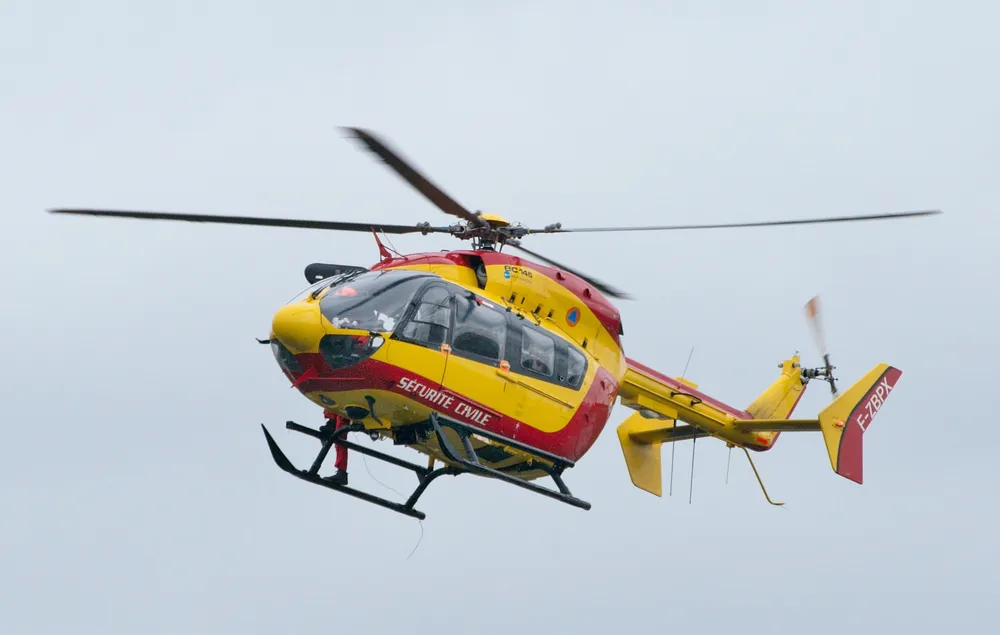
A medical aircraft operated by Trans Aero MedEvac crashed near Ruidoso, New Mexico, after losing radio contact, resulting in the deaths of all four people on board. The accident has raised concerns regarding the safety of air medical services.
Air medical services utilize aircraft, including both fixed-wing planes and helicopters, to provide a variety of emergency medical services—particularly pre-hospital, emergency, and critical care—during aerial medical evacuation and rescue operations. These services play a vital role in medical emergencies by rapidly transporting patients to hospitals or other medical facilities to provide prompt medical assistance. Operators in this sector typically feature specialized medical teams and equipment capable of delivering basic life support and medical treatment in flight.
The cause of the crash remains under investigation, with relevant U.S. authorities currently examining the details and factors behind the accident. Following the incident, local emergency responders rushed to the scene to conduct search-and-rescue and cleanup operations. This tragedy serves as a warning to the air medical services industry, underscoring the need to strengthen safety management and accident prevention measures to ensure the safety of patients and crew members.
Air medical services play a crucial role globally, especially in regions with relatively scarce medical resources. These services are capable of rapidly transporting patients to hospitals equipped with advanced medical facilities, providing timely medical care and saving lives. However, air medical services also entail certain risks, such as aviation accidents and adverse weather conditions, necessitating robust safety management and risk control by the industry.
For air medical service operators, safety is the primary consideration. The industry must enhance safety management and accident prevention measures to safeguard patients and crew members. At the same time, operators must continuously improve and upgrade medical equipment and technology to deliver superior medical care and increase patient survival rates and recovery quality.
For Taiwan, this medical plane crash serves as a warning, reminding Taiwan's air medical services sector to strengthen safety management and accident prevention measures to ensure the safety of patients and crew. Simultaneously, Taiwan can draw upon advanced international experience and technology to improve and upgrade its own air medical services, providing better care and enhancing patient survival rates and recovery quality. Furthermore, Taiwan can strengthen international cooperation and exchanges to jointly improve the safety and quality of air medical services, offering better medical care to patients worldwide.
Produced by our editorial team, with AI assistance in editing.