
Massive Floods and Landslides in Bangladesh Leave at Least 44 Dead
Massive flooding and landslides triggered by monsoon rains in southeastern Bangladesh have left at least 44 people dead and stranded over one million other
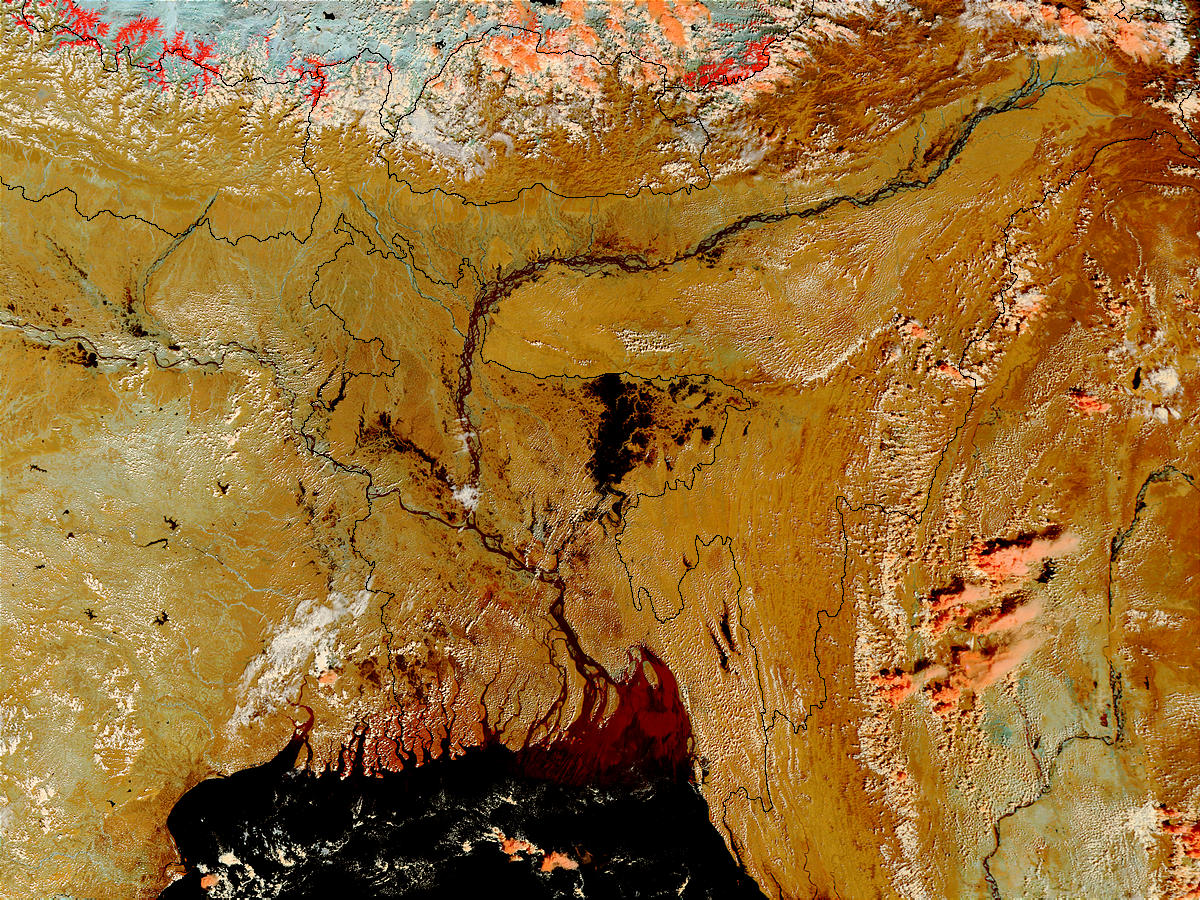
Massive flooding and landslides triggered by monsoon rains in southeastern Bangladesh have left at least 44 people dead and stranded over one million others. The deluge has severely disrupted local power supplies, road networks, and communications, paralyzing daily life and transportation across multiple regions.
Situated on the Brahmaputra River Delta (also known as the Ganges Delta), Bangladesh is a land of many rivers and is inherently prone to flooding. With its low-lying terrain and an average elevation of less than five meters, the country faces the threat of floods annually. The combination of water runoff from nearby mountainous regions and upstream catchments, coupled with heavy local rainfall and poor drainage, consistently leads to inundation. Coastal flooding and riverbank breaches are common, significantly impacting the nation's landscape and society. Approximately 83% of the country consists of floodplains, and its extensive coastline makes it particularly vulnerable. While permanent flood-control infrastructure is under development, many existing embankments remain rudimentary, constructed of soil and turf by local farmers. Flooding typically occurs during the monsoon season from June to September, driven by the convergence of monsoon rains, Himalayan precipitation, and snowmelt.
The impact of the current flooding in southeastern Bangladesh is severe, with numerous villages and towns submerged and residents forced to evacuate. Local authorities and rescue teams are working to save those trapped and provide aid; however, relief efforts are being significantly hindered by damage to transport and communication infrastructure. The Bangladeshi government has activated emergency response mechanisms, mobilizing the military and rescue personnel to assist in operations.
Bangladesh is among the countries most susceptible to climate change, with extreme weather events such as floods, droughts, and rising sea levels exerting a heavy toll on its economy and society. The government and international organizations are working together to improve flood defenses and enhance climate change adaptation and resilience. Nevertheless, the impacts of climate change are long-term and complex, necessitating sustained efforts and investment to mitigate these effects.
For Taiwan, although the flood disaster in Bangladesh is not directly related, it serves as a significant case study for understanding the impacts of climate change and the importance of disaster prevention. Taiwan is also a region highly vulnerable to climate change and has experienced several major flooding and typhoon events in recent years. Consequently, Taiwan must continue to strengthen its disaster prevention and climate adaptation capabilities, raise public awareness, and collaborate with the international community to collectively address the challenges posed by a changing climate.
Produced by our editorial team, with AI assistance in editing.
