
Mass Migration Crisis Hits Melilla, Spanish North African Enclave, Claims 57 Lives in a Day.
In the past 24 hours, the Spanish autonomous city of Ceuta, located on the North African coast, has faced a severe migrant crisis. According to Ceuta Mayor
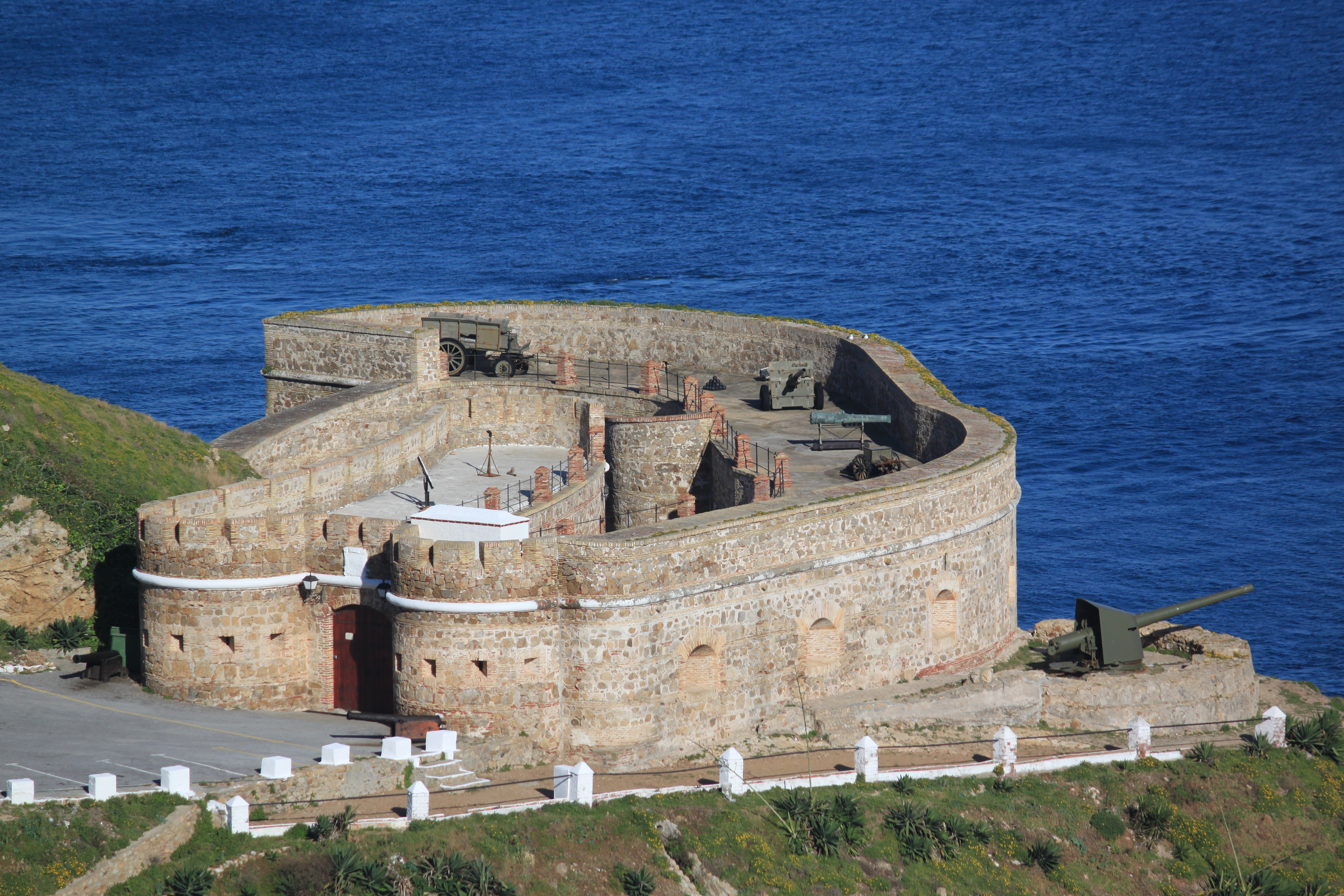
In the past 24 hours, the Spanish autonomous city of Ceuta, located on the North African coast, has faced a severe migrant crisis. According to Ceuta Mayor and President Juan Jesús Vivas, approximately 600,000 undocumented migrants flooded into the Spanish overseas territory in a short period, causing a surge in deaths, which now total 57 people. The incident has highlighted the long-standing migrant pressure faced by the Mediterranean and European-African borders, with the Spanish and local government hastily deploying personnel to respond to the sudden border onslaught.
As one of the two Spanish autonomous cities in North Africa, Ceuta borders Morocco and faces the Strait of Gibraltar, where the Mediterranean and Atlantic Oceans meet. The city has a rich history, having been under the rule of Phoenicians, Romans, Byzantines, Islamic Empires, and Portugal since ancient times, with its status as a Spanish territory finally confirmed in the 17th century. Due to its unique geographical location, Ceuta, along with the other Spanish autonomous city of Melilla, has long served as a "land bridge" for African citizens attempting to enter European territory, acting as a front line for the European Union's border defense.
In recent years, the numbers of people attempting to enter Europe through irregular channels have remained high, driven by the political turmoil, economic troubles, and security crises in North Africa and the Sahara region. Despite the high wall and strict monitoring on the border between Ceuta and Morocco, the border defense has often faced enormous pressure in the face of massive migrant flows and sudden collective onslaughts. Fluctuations in diplomatic relations between Morocco and Spain have also been seen as a key factor affecting the tightening or loosening of border control, making this overseas territory a hotspot of geopolitics and humanitarian crises.
In the face of this severe migrant influx and casualty event, which is rare in recent years, the Spanish central government and EU-related institutions are facing immense human and political pressure. The Spanish Interior Ministry and local authorities are actively engaged in search and rescue efforts, providing lodging and medical assistance, in an attempt to prevent a full-blown humanitarian disaster. However, resolving the delicate balance between EU border security and migrant human rights protection, as well as handling cooperation mechanisms with neighboring Morocco, remains a long-term challenge for the Spanish government and EU authorities.
From Taiwan's perspective, although Ceuta is geographically distant from Taiwan and the migrant crisis has no direct business implications, this incident highlights the complex challenges faced by democratic countries in the age of globalization, including border security, geopolitical frictions, and humanitarian crises. From a regional governance perspective, the government's resilience in crisis management, international humanitarian law, and intergovernmental coordination will be crucial in addressing the challenges of sudden, large-scale border shocks and humanitarian disasters, serving as an important reference point for Taiwan in observing global geopolitics and non-traditional security threats.
Produced by our editorial team, with AI assistance in editing.
