Marine Le Pen Officially Announces Another Bid for the French Presidency
Marine Le Pen, the prominent figurehead of France’s far-right National Rally (RN), has officially announced her intention to run for the French presidency
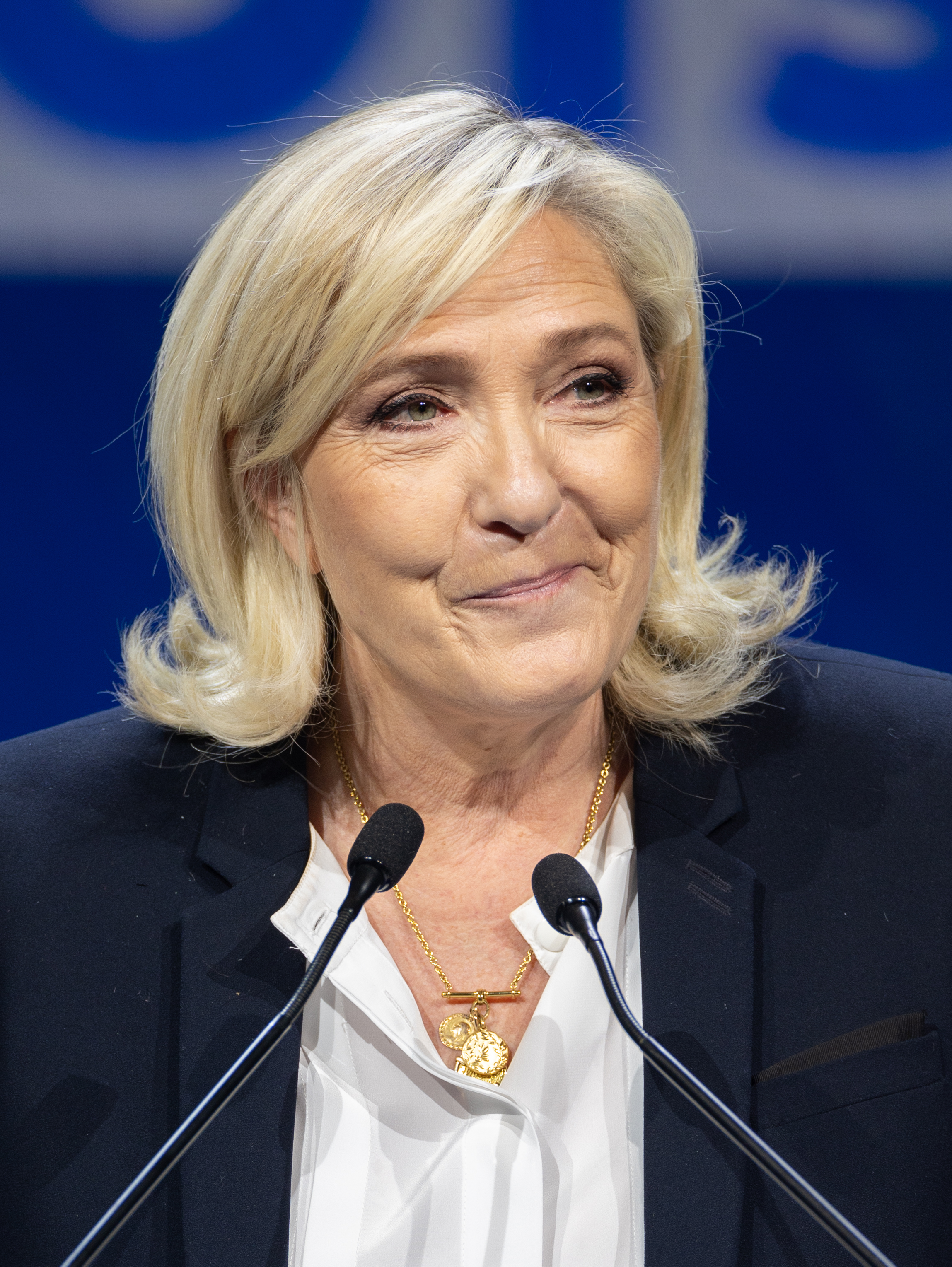
Marine Le Pen, the prominent figurehead of France’s far-right National Rally (RN), has officially announced her intention to run for the French presidency once again. The announcement marks the continuation of a long political trajectory for Le Pen, who has served as the parliamentary leader of her party in the National Assembly since 2022 and has previously secured significant vote shares in consecutive presidential bids in 2012, 2017, and 2022.
Le Pen’s latest campaign launch comes at a time of shifting political momentum within France, where her party has steadily expanded its parliamentary footprint and mainstream appeal. Since taking over the leadership of the party—then known as the National Front—from her father and founder Jean-Le Pen in 2011, she has pursued a strategy of "dédiabolisation," or the de-demonization of the party's image. This political rebranding has involved softening the party’s public rhetoric, distancing it from its historical anti-Semitic and overtly extremist origins, and focusing heavily on mainstream economic grievances, cost-of-living concerns, and national sovereignty.
The core platform of Le Pen’s movement continues to center on strict immigration controls, skepticism toward European Union integration, and the promotion of a protectionist economic agenda encapsulated by the concept of "national preference." Her supporters view her as a staunch defender of French workers against the perceived negative impacts of globalization and uncontrolled migration. Critics, however, argue that her policies would destabilize France's standing within the European Union, undermine democratic norms, and exacerbate social divisions by marginalizing immigrant communities.
This upcoming presidential contest is expected to be intensely polarized, reflecting deeper structural fractures in the French electorate between traditional centrist governance, a fragmented left, and an increasingly organized nationalist right. While mainstream political parties have historically formed coalitions to block the far-right from capturing the Élysée Palace—a mechanism often referred to as the republican front—recent electoral cycles have demonstrated a steady erosion of this firewall. Le Pen’s persistent electoral viability highlights a growing disillusionment among substantial portions of the French working and middle classes with conventional political elites.
For international observers and partners in the Indo-Pacific, the resurgence of the French far-right carries notable geopolitical implications. As a permanent member of the United Nations Security Council and a leading military and economic power within the European Union, France plays a critical role in shaping Western foreign policy, trade regulations, and defense cooperation. Shifts in French leadership could directly influence European strategic autonomy, defense commitments in international security frameworks, and broader trade dynamics with key global partners, including advanced economies in Asia navigating complex supply chains and geopolitical alignments.
Produced by our editorial team, with AI assistance in editing.