
Manchester Hospital Pioneers ZI-MA4-1 Advanced Cancer Treatment in UK.
A cancer patient at the Christie Hospital in Manchester, UK, has become the world's first to receive the ZI-MA4-1 therapy. Cancer is a disease characterize
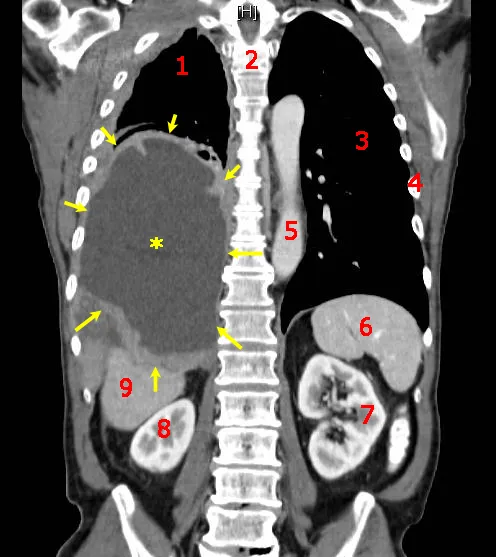
A cancer patient at the Christie Hospital in Manchester, UK, has become the world's first to receive the ZI-MA4-1 therapy. Cancer is a disease characterized by uncontrolled cell growth, often resulting in potentially malignant tumors that may invade or metastasize to other parts of the body. In contrast, benign tumors do not metastasize. Statistics indicate that over 100 different types of cancer affect humans globally. According to data, approximately 33% of cancer deaths are attributed to factors such as smoking, alcohol consumption, obesity, inadequate consumption of fruits and vegetables, and a lack of physical activity. Other contributing factors include certain infections, ionizing radiation, and environmental pollution. Approximately 16-18% of cancer cases worldwide are caused by specific infections from viruses, bacteria, and parasites, including Helicobacter pylori, hepatitis B virus, hepatitis C virus, and human papillomavirus. Human immunodeficiency virus (HIV) does not directly cause cancer but can lead to compromised immunity, increasing the risk of cancer caused by other infections, even up to thousands of times. Vaccines against hepatitis B virus and human papillomavirus have proven to significantly reduce the risk of cancer caused by these viruses.
In the field of cancer treatment, researchers have been exploring new therapies to help combat cancer. The ZI-MA4-1 therapy is one such recent development, involving targeted treatment of specific cancer cells. Although the therapy is still in its early stages, it has shown immense potential. The medical team at the Christie Hospital collaborated with researchers to develop this therapy and conducted clinical trials for the ZI-MA4-1 therapy.
In clinical trials, the medical team observes the responses of test subjects, evaluating the safety and efficacy of the therapy. The development and implementation of the ZI-MA4-1 therapy require close collaboration with medical experts, researchers, and government institutions at various levels. Due to the therapy's early-stage status, further research is needed to confirm its safety and efficacy. However, the therapy's potential has attracted attention from the medical community, marking a novel direction in cancer treatment.
The Christie Hospital will continue to monitor the progress of the therapy and collaborate with other research institutions globally to drive progress in cancer treatment.
For Taiwan, the development of this therapy holds significant importance for advancing cancer treatment. Although Taiwan does not directly participate in the therapy's development, it can learn from the new developments and technologies in the field of tumor-targeted therapy. The therapy's development also showcases global cooperation and exchange in the medical community, playing a crucial role in driving medical advancements.
Produced by our editorial team, with AI assistance in editing.