
Major Typhoon Hits Okinawa, Japan, Displacing Over 80,000, Causing 27 Towns to Lose Power.
Recently, a significant event occurred on the Japanese Island of Okinawa, resulting in the emergency evacuation of 82,921 people from five municipalities w
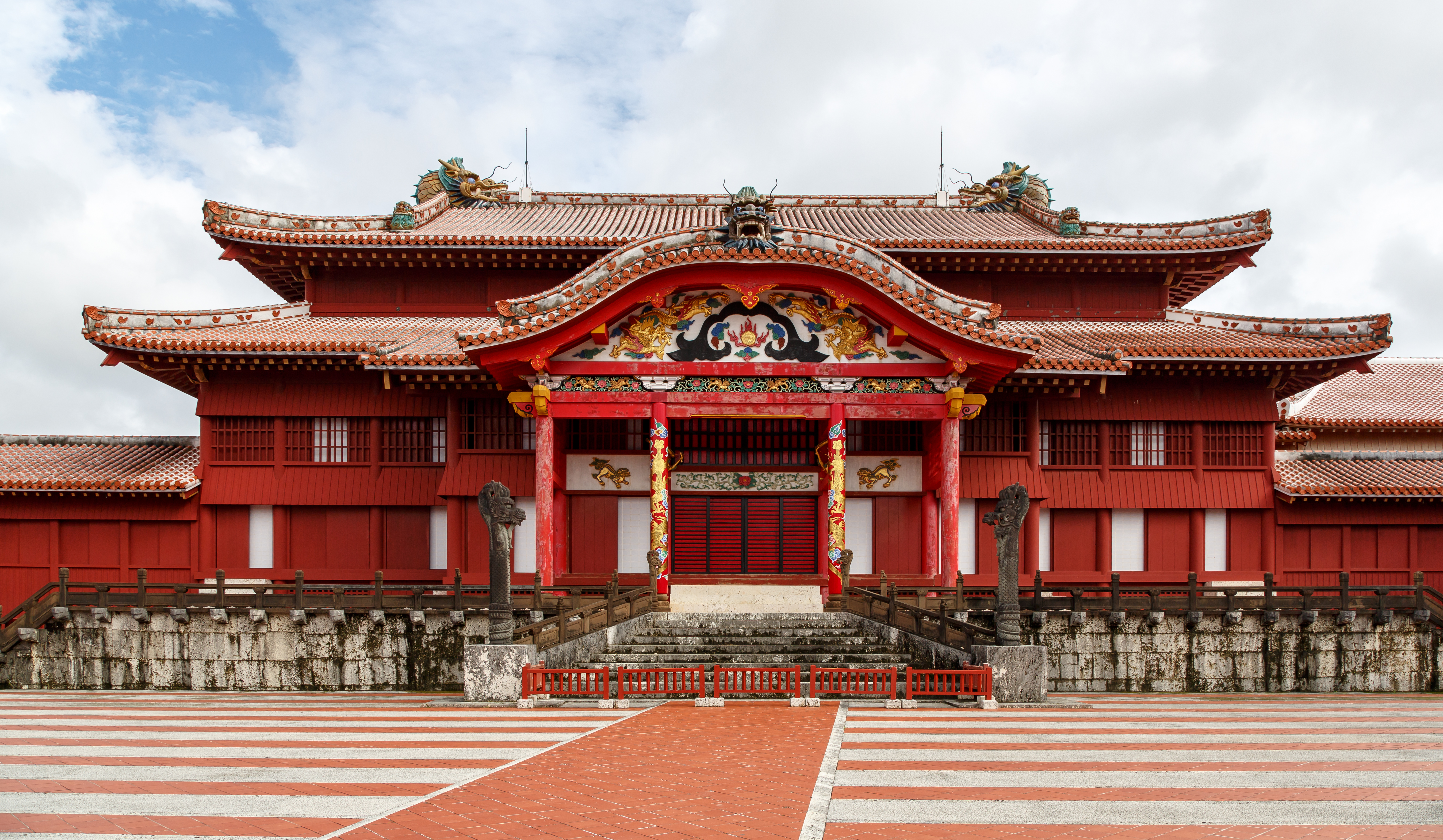
Recently, a significant event occurred on the Japanese Island of Okinawa, resulting in the emergency evacuation of 82,921 people from five municipalities within the prefecture, causing nine injuries and the shutdown of power in 27 municipalities. The affected areas include the capital city of Naha in addition to multiple other regions, forcing residents to leave their homes and seek safety in shelters.
Located at the southernmost and westernmost points of Japan, Okinawa Prefecture spans a vast area, encompassing the Okinawa Islands, the Kinmen Islands, and the Daioyutai Islands, stretching approximately 1,000 kilometers east-west and 400 kilometers north-south across the sea. Despite its relatively small land area of 2,281 square kilometers, Okinawa Prefecture's water area is roughly half the size of the combined areas of Japan's main islands of Honshu, Shikoku, and Kyushu. The prefecture comprises 160 islands, with 49 inhabited, and the largest and most populous island is Okinawa, which is home to the prefectural capital of Naha, as well as other major cities such as Okinawa City, Uruma City, and Nago City.
Okinawa Prefecture's climate is characterized as subtropical, with high temperatures and abundant rainfall throughout the year. The prefecture's culture and customs possess unique characteristics that distinguish it from the rest of Japan. Residents of the prefecture are known as Ryukyu people, but there are notable differences between islands and local communities. The history of Okinawa Prefecture is also rich, having been an independent Ryukyu Kingdom before being annexed by Japan, with many unique cultural assets and traditions remaining.
The recent event has had a significant impact on the lives of Okinawa Prefecture residents, not only causing injuries and power outages but also forcing large-scale evacuations, which may affect local social order and economic activities. The Japanese government and relevant departments are working to respond to and address the situation, aiming to restore normalcy to affected areas as soon as possible.
Okinawa Prefecture's strategic location and cultural background render it crucial to Japan and the Asia-Pacific region. The prefecture's security and stability are of significant importance to Japan's national security and have a significant impact on the stability of the Asia-Pacific region. Hence, the international community closely monitors the development and changes in Okinawa Prefecture.
For Taiwan, while the event in Okinawa Prefecture has no direct implications, it still holds significant reference value in understanding Japan and the Asia-Pacific region. As a part of the Asia-Pacific region, Taiwan needs to pay attention to and understand the development and changes in neighboring areas to better cope with and address potential challenges and opportunities. Moreover, the culture and history of Okinawa Prefecture share certain similarities with Taiwan's, with both regions possessing significant commonalities in their unique geographical locations and cultural backgrounds. Hence, paying attention to and understanding the development and changes in Okinawa Prefecture not only holds crucial significance in understanding Japan and the Asia-Pacific region but also serves as an important reference for deepening Taiwan's exchanges and cooperation with the Asia-Pacific region.
Produced by our editorial team, with AI assistance in editing.