
Maersk and Hapag-Lloyd Resume Suez Canal Transits Amid Changing Maritime Security Conditions
Global shipping giants A.P. Moller - Maersk and Hapag-Lloyd have announced a strategic shift to route an increased number of container vessels back through
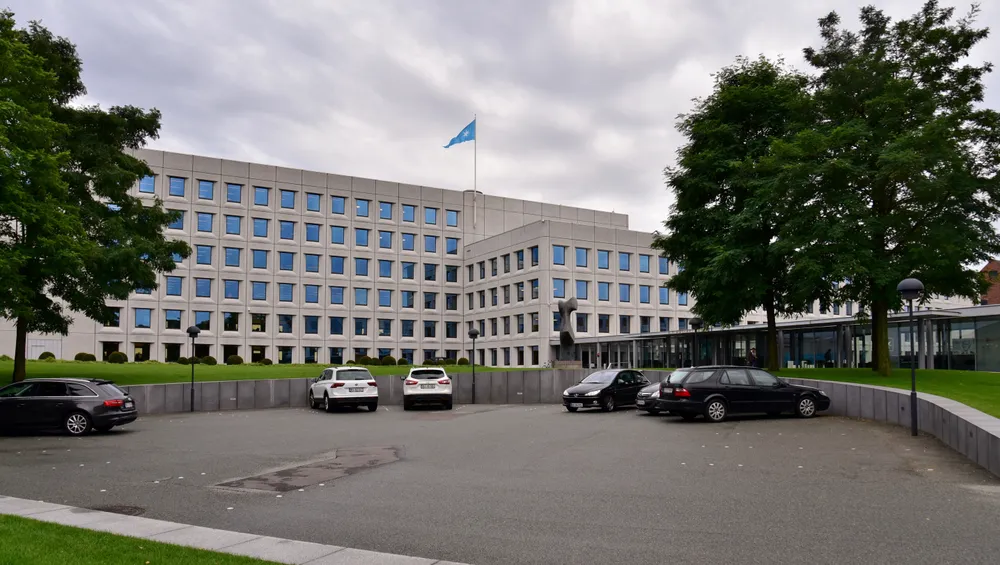
Global shipping giants A.P. Moller - Maersk and Hapag-Lloyd have announced a strategic shift to route an increased number of container vessels back through the Suez Canal, marking a significant operational adjustment for international maritime trade. The decision comes as major carriers continually reassess security conditions and transit efficiencies along the critical waterway, which connects the Mediterranean Sea to the Red Sea and serves as the primary maritime shortcut between Asia and Europe.
The renewed reliance on the Egyptian corridor highlights the enduring importance of the Suez route for global supply chains. Historically handling a substantial share of international trade, the canal offers vastly shorter transit times and lower fuel consumption compared to the alternative route around Africa’s Cape of Good Hope. For months, shipping lines had diverted fleets southward to mitigate security risks associated with regional instability, absorbing higher operational costs and extended delivery schedules that rippled through global markets.
Founded in 1904 by Arnold Peter Møller and his father Peter Mærsk Møller, Copenhagen-based Maersk has grown into a titan of global logistics. Controlled by the Møller family through holding companies, the publicly traded enterprise operates across more than 130 countries, employing over 100,000 people and managing a comprehensive portfolio encompassing port operations, supply chain management, warehousing, and air freight. With annual revenues reaching $53.9 billion, the company's operational decisions carry substantial weight in determining global shipping capacity, freight rates, and supply chain reliability.
The coordinated moves by Maersk and Hapag-Lloyd reflect a calculated balancing act between vessel safety and commercial pressure to optimize transit times. While security assessments remain dynamic, carriers are under continuous pressure from manufacturers and retailers to reduce logistics bottlenecks and stabilize shipping costs. By gradually reintroducing vessels to the Suez route, the shipping lines aim to restore traditional trade velocity, although contingency planning remains in place should regional security conditions deteriorate once again.
For Taiwan and the broader Indo-Pacific region, the normalization of traffic through the Suez Canal holds direct implications for trade fluidity and economic stability. As a major trading economy deeply integrated into global manufacturing and technology supply chains, Taiwan relies heavily on predictable maritime logistics for both raw material imports and finished export deliveries to European markets. A functioning Suez route helps alleviate global container congestion, curbs volatile shipping surcharges, and ensures that critical components reach international destinations on schedule, thereby supporting macroeconomic stability across export-reliant economies in East Asia.
Produced by our editorial team, with AI assistance in editing.
