
Kyle Kirkwood Wins IndyCar Freedom 250 on Washington Mall Circuit
Kyle Kirkwood clinched the IndyCar Freedom 250 Grand Prix on Saturday, triumphing in a high‑speed battle that unfolded along the National Mall in Washingto
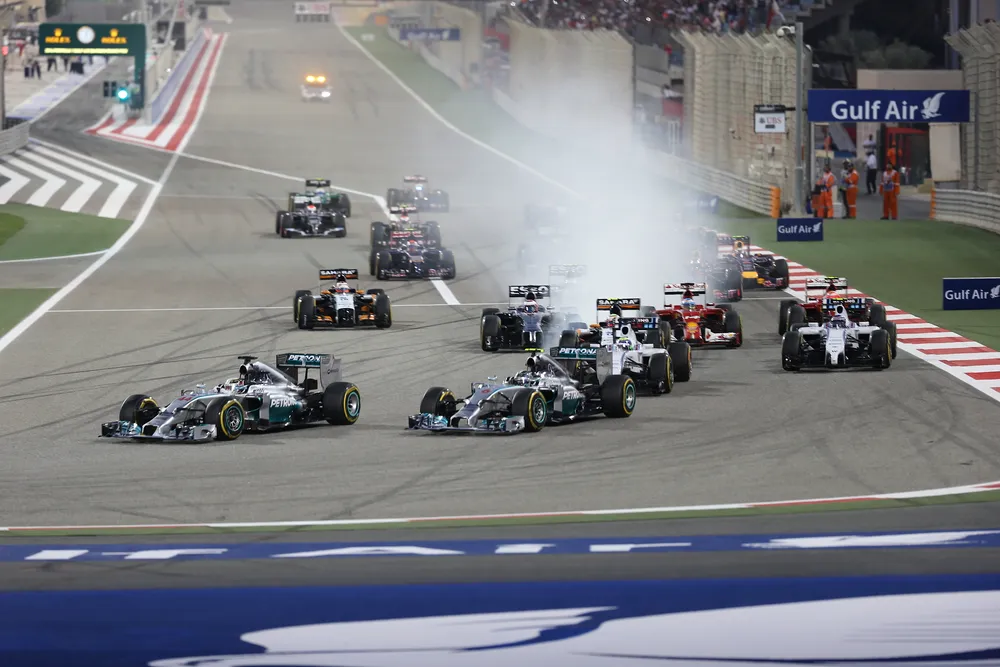
Kyle Kirkwood clinched the IndyCar Freedom 250 Grand Prix on Saturday, triumphing in a high‑speed battle that unfolded along the National Mall in Washington, D.C. The 21‑year‑old driver, racing for Team Penske, crossed the finish line ahead of his nearest rival by a margin of just 0.004 seconds, securing his first victory in the premier U.S. open‑wheel series. The race, part of the IndyCar season’s “Freedom 250” marquee event, took place on a temporary street circuit that traced the historic heart of the nation’s capital, drawing thousands of spectators and a global television audience.
IndyCar, the top tier of American open‑wheel racing, follows a set of regulations that allow teams a degree of choice in chassis and engine suppliers while maintaining competitive parity through standardized components such as the aero kit and fuel. The series sits above lower‑tier feeder championships—Formula 2, Formula 3, and regional series—which serve as proving grounds for young drivers aspiring to reach the pinnacle of single‑seat racing. Unlike the one‑off, highly specialized Formula One, IndyCar balances performance with cost‑control, making the sport accessible to a broader range of teams and sponsors. The Freedom 250, held on a temporary track that weaves through iconic landmarks, showcases the series’ blend of speed, strategy, and spectacle.
The National Mall circuit presented a unique set of challenges for the field. Tight corners and long straightaways required precise braking and acceleration, while the variable wind conditions over the open expanse demanded constant adjustments to the cars’ aerodynamic balance. Kirkwood’s victory was the result of a disciplined drive, impeccable tire management, and a strategic pit‑stop sequence that left his competitors scrambling. Behind the scenes, Team Penske’s engineering crew executed a flawless data‑driven approach, fine‑tuning the car’s setup in real time to match the evolving track conditions. The win marks a significant milestone for Kirkwood, who has steadily climbed the ranks of IndyCar, and underscores Penske’s continued dominance in the series.
Beyond the immediate excitement of the race, the Freedom 250’s placement in Washington, D.C. carries symbolic weight. The event highlights the intersection of sport, politics, and national identity, drawing attention to the U.S. automotive and technology sectors. For Taiwan, the race offers a lens through which to view the global supply chain that underpins modern motorsport. Many IndyCar teams rely on advanced electronics, micro‑electronics, and high‑performance materials—all components in which Taiwanese firms are major players. The event underscores the importance of robust semiconductor supply lines and precision manufacturing, areas where Taiwan’s industry has long been a critical contributor.
In a broader regional context, the race’s success reinforces the vitality of the U.S. motorsport ecosystem and its capacity to attract international talent and investment. As global supply chains face increasing scrutiny, the visibility of technologically sophisticated sports like IndyCar can influence diplomatic and trade discussions, particularly those involving high‑tech components. For Taiwan, the continued prominence of U.S. racing events signals ongoing demand for the cutting‑edge electronics and materials that the island nation supplies, reinforcing its strategic position in the global automotive and aerospace supply chains.
Produced by our editorial team, with AI assistance in editing.