
Kyle Kirkwood Wins IndyCar Freedom 250 on Washington D.C. National Mall
American driver Kyle Kirkwood captured the checkered flag at the IndyCar Freedom 250 Grand Prix on Saturday, clinching a decisive victory on a temporary st
American driver Kyle Kirkwood captured the checkered flag at the IndyCar Freedom 250 Grand Prix on Saturday, clinching a decisive victory on a temporary street circuit laid out across Washington, D.C.’s National Mall. The 250‑mile race, part of the 2026 IndyCar Series calendar, saw Kirkwood, a 24‑year‑old from Ohio, finish ahead of veteran racer Alexander Rossi and rising star Romain Grosjean, completing the event in just under two hours under clear skies. The triumph marked Kirkwood’s first win on a downtown circuit and added a high‑profile accolade to his résumé, which already includes a 2024 Indy Lights championship.
The Freedom 250 was staged as a commemorative event, aligning the high‑speed spectacle of open‑wheel racing with the capital’s historic backdrop. Organizers from INDYCAR and the National Park Service collaborated to transform a stretch of Constitution Avenue, the Reflecting Pool, and the surrounding Mall into a purpose‑built racetrack, complete with temporary barriers, grandstands, and a state‑of‑the‑art safety infrastructure. The race was promoted as a celebration of American ingenuity and the nation’s enduring commitment to freedom, a theme underscored by a pre‑race ceremony featuring a flyover by U.S. Air Force jets and remarks from the mayor of Washington, D.C. The inclusion of a street race in the series’ schedule reflects INDYCAR’s broader strategy to bring the sport to iconic urban venues, expanding its geographic reach beyond traditional ovals and road courses.
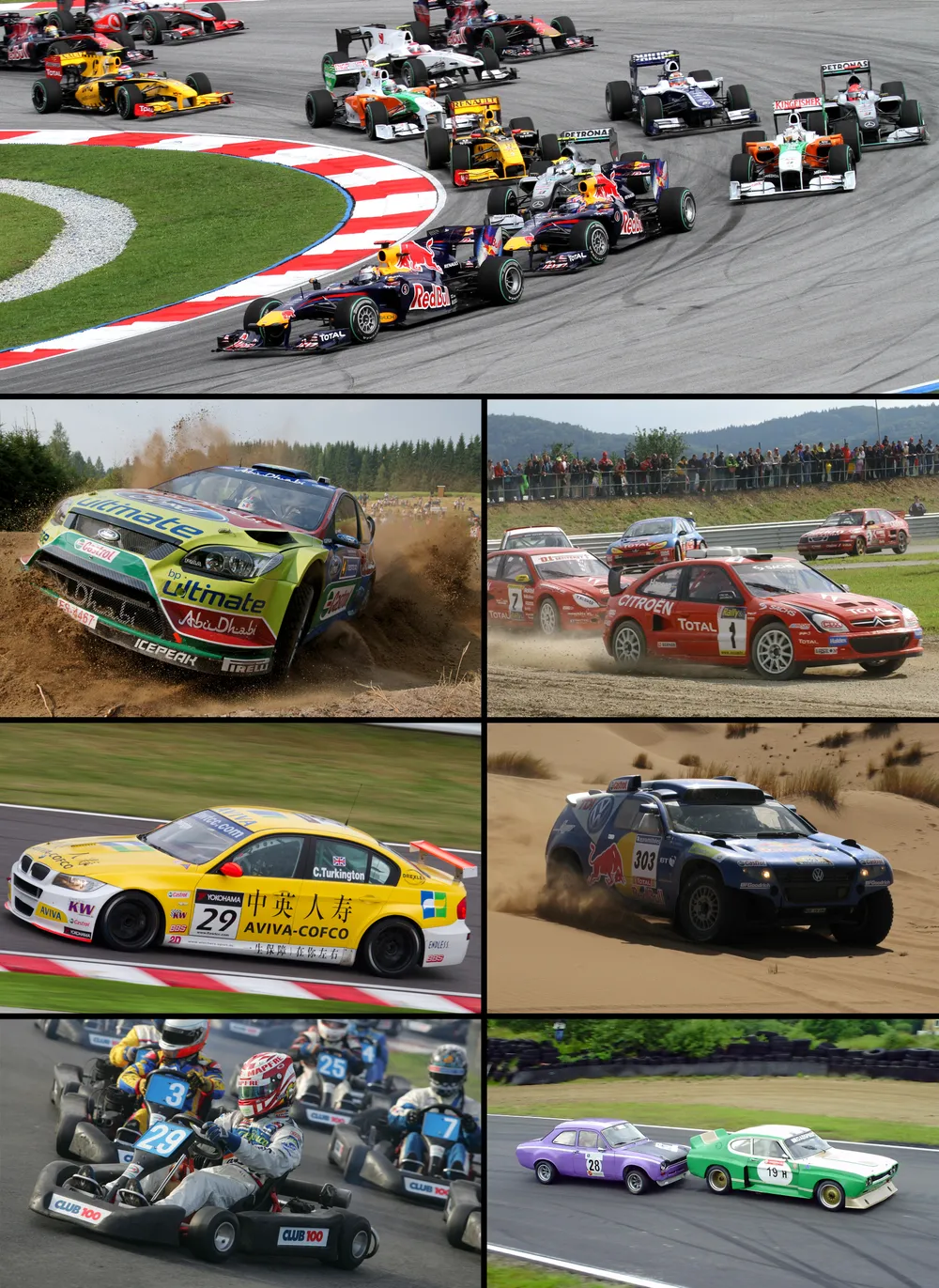
Auto racing, in its many forms, has evolved from the early reliability trials of the late 19th century into a sophisticated global industry encompassing a multitude of disciplines. In North America, the term “auto racing” typically encompasses everything from stock‑car competition to open‑wheel series like IndyCar, each governed by distinct technical regulations and sporting codes. By the 1930s, dedicated racing machines had emerged, giving rise to specialized categories such as Formula One, touring cars, and endurance prototypes. Street circuits, which place cars on public roads temporarily closed to traffic, have become a staple of the sport, offering manufacturers a platform to showcase performance in a setting that blends high‑speed drama with urban scenery. The Freedom 250 thus sits within a lineage of events that leverage cityscapes to heighten spectator engagement and media exposure.
Reactions from participants and officials highlighted the race’s logistical and competitive significance. Kirkwood, speaking to the post‑race press, credited his team’s meticulous preparation and the “unparalleled energy of the crowd” for his performance, noting that the narrow, twisty layout demanded precision braking and tire management. Team owner Roger Penske praised the event’s execution, emphasizing the seamless coordination between race officials, local authorities, and federal agencies to ensure safety without compromising the spectacle. City planners, meanwhile, pointed to the economic uplift generated by the influx of visitors, estimating that the weekend generated roughly $45 million in local spending on hotels, dining, and transportation. Some critics, however, raised concerns about the environmental impact of temporary infrastructure and the disruption to public spaces, urging future organizers to incorporate greener practices and more extensive community consultation.
The Freedom 250’s successful staging in the nation’s capital carries implications beyond the immediate thrill of competition. By positioning a marquee motorsport event within the heart of Washington, D.C., INDYCAR has demonstrated the viability of integrating high‑profile sporting spectacles into densely populated civic areas, potentially paving the way for similar events in other major cities. The race also serves as a showcase for American automotive engineering and talent, reinforcing the United States’ role in a sport traditionally dominated by European manufacturers. Moreover, the economic stimulus derived from tourism, media coverage, and ancillary services contributes to the broader regional economy, while the event’s patriotic framing aligns with national branding efforts aimed at promoting unity and innovation. As auto racing continues to diversify its venues and audiences, the Freedom 250 exemplifies how the sport can intersect with cultural landmarks to create a mutually beneficial platform for athletes, sponsors, and host communities alike.
Produced by our editorial team, with AI assistance in editing.