Kobani Arrests Follow Kurdish Killing, Prison Fire Claims Seven Lives
Residents were arrested yesterday in Kobani, a town in northeastern Syria, after a wave of rioting erupted following the killing of a Kurdish citizen. The
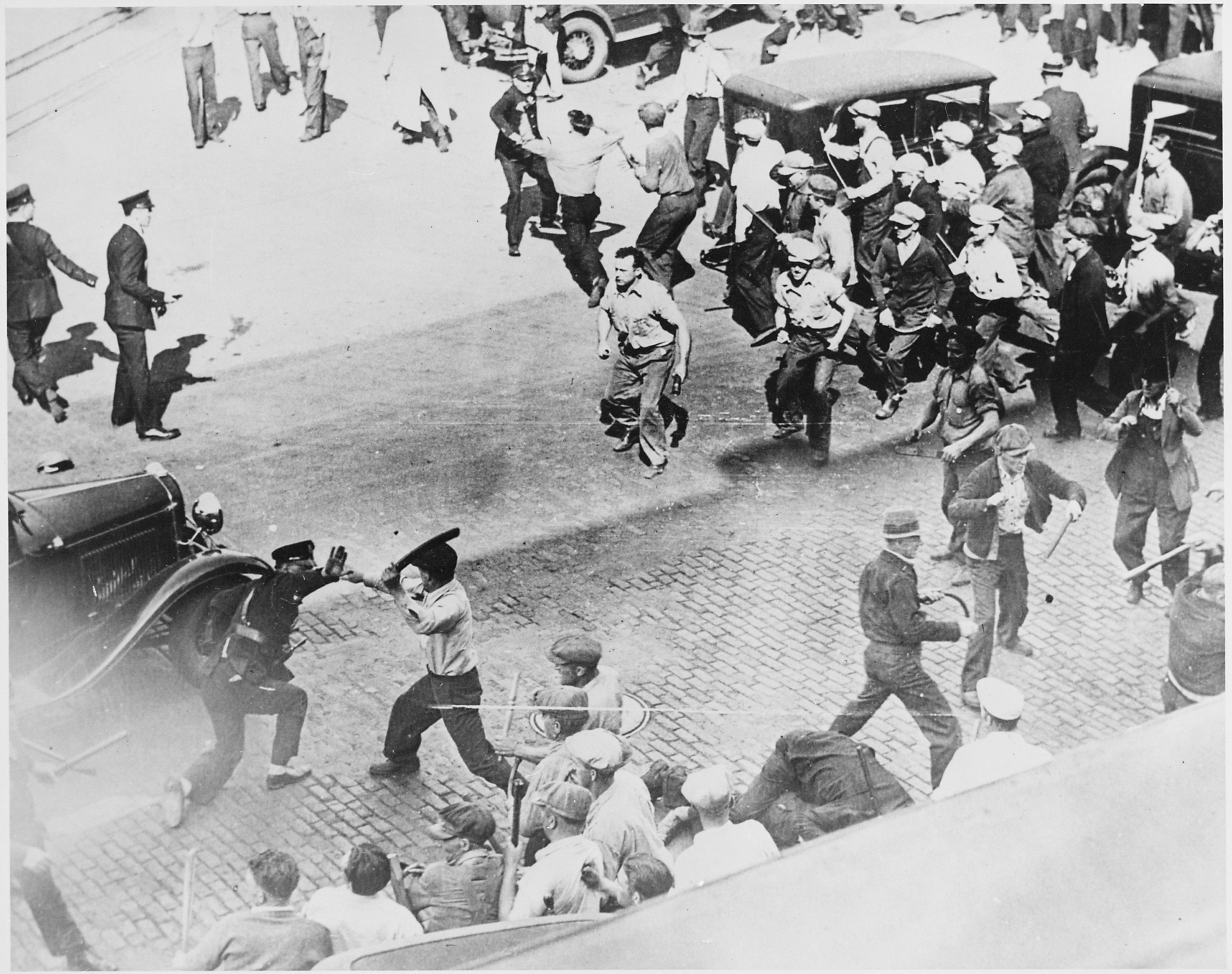
Residents were arrested yesterday in Kobani, a town in northeastern Syria, after a wave of rioting erupted following the killing of a Kurdish citizen. The death, blamed on an Arab man, sparked street clashes that left several people injured and prompted authorities to detain dozens of protestors. At the same time, a separate incident unfolded inside Kobani prison, where a riot that escalated into a fire claimed the lives of seven inmates. The violence has been linked to plans to transfer a number of prisoners to a facility in Aleppo, a move that was perceived as a punitive measure against the local Kurdish population.
Kobani, once the site of a fierce battle between Kurdish forces and the Islamic State in 2014, remains a flashpoint amid Syria’s fragmented security landscape. The town is home to a sizeable Kurdish community that has long sought greater political recognition and autonomy. In recent years, tensions between Kurdish residents and Arab-dominated security forces have intensified, partly because of differing loyalties to the central government and to regional actors such as Turkey and the United Arab Emirates. The alleged murder of a Kurdish citizen therefore struck a nerve, fueling anger that quickly spilled onto the streets.
Prison riots in conflict zones are not uncommon, especially when inmates feel that their treatment is discriminatory or that the state’s policies threaten their ethnic or political identity. In Kobani, the decision to move prisoners to Aleppo—a city that has been a major hub of the Syrian civil war—was seen by many as a deliberate attempt to isolate Kurdish inmates from their support network. The ensuing chaos, which culminated in a blaze that consumed part of the prison’s cell block, underscores the fragility of the country’s penal system, which is often overcrowded and poorly maintained. Reports from the Syrian Observatory for Human Rights indicate that the fire caused structural damage and led to the deaths of seven inmates, while several others sustained injuries.
The dual outbreaks of violence highlight the complex interplay between local grievances and broader political dynamics. While the street protests were largely fueled by ethnic animosity and a perceived miscarriage of justice, the prison riot reflects systemic issues within Syria’s penal infrastructure and the politicisation of incarceration. Both incidents underscore the challenges that the Assad regime faces in maintaining order across a country that is still fractured along ethnic and sectarian lines. The arrests of residents and the subsequent crackdown by security forces have raised concerns about the use of excessive force and the potential for further escalation.
For the international community, the events in Kobani carry implications beyond the immediate region. Syria’s instability continues to disrupt supply chains for oil, natural gas, and essential goods, thereby affecting global markets. Moreover, the displacement of Kurdish civilians and the risk of renewed conflict could strain neighboring countries, potentially triggering humanitarian crises that would demand international aid and diplomatic engagement. The situation also underscores the importance of robust governance and accountability mechanisms in post-conflict societies, as lapses can quickly spiral into violence that jeopardises regional stability.
In sum, the riots in Kobani and the deadly prison fire reveal the enduring fragility of Syria’s security environment and the deep‑rooted tensions that continue to fuel unrest. They serve as a stark reminder that unresolved grievances—whether ethnic, political, or administrative—can erupt into violence when coupled with perceived injustices. For the wider region, the incidents highlight the need for sustained diplomatic efforts, humanitarian support, and a focus on building inclusive institutions that can address the diverse needs of Syria’s multi‑ethnic population.
Produced by our editorial team, with AI assistance in editing.