
King Nyabongo I of Uganda's Tooro Kingdom Formally Crowned in Cultural Ceremony
The coronation ceremony for King Nyabongo I of Uganda’s Tooro Kingdom took place over the weekend, formally investing the monarch with traditional regal au
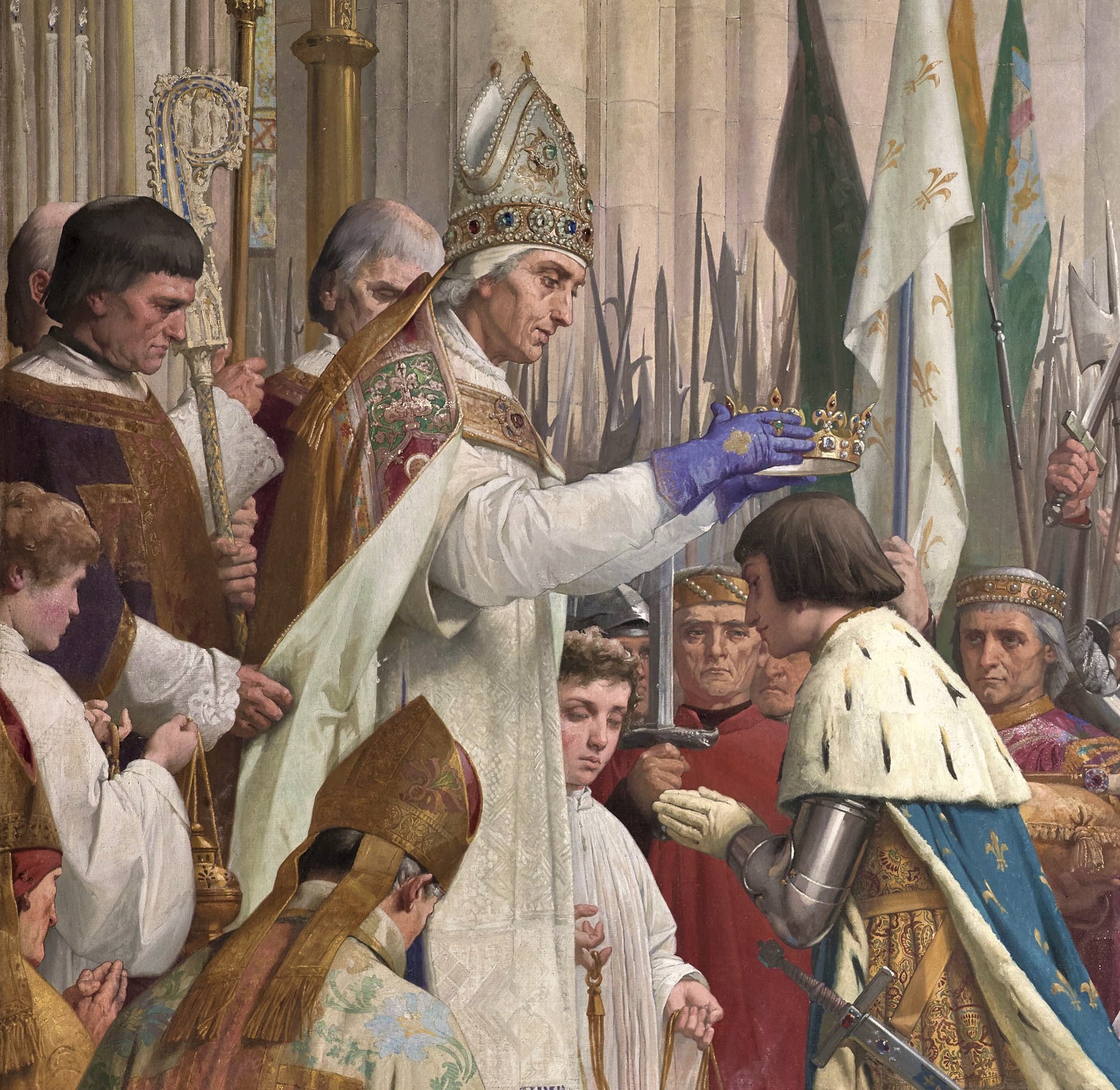
The coronation ceremony for King Nyabongo I of Uganda’s Tooro Kingdom took place over the weekend, formally investing the monarch with traditional regal authority in a vibrant cultural event steeped in centuries of heritage. The formal ceremony brought together regional leaders, cultural dignitaries, and thousands of subjects to witness the historic accession, reaffirming the enduring role of traditional institutions within the modern East African state.
While most contemporary monarchies globally have replaced elaborate investitures with simpler accession rituals, traditional kingdoms in Africa and select parts of the world continue to preserve the coronation as a vital pillar of cultural identity and continuity. A coronation typically serves as the formal moment a monarch assumes regal power through the bestowal of a crown, alongside the presentation of sacred regalia, the administration of solemn oaths, and formal acts of homage rendered by subjects.
In many historical and surviving monarchical traditions, these ceremonies carry deep spiritual weight. Western-style and Christian-influenced coronations, for instance, frequently incorporate the anointing of the sovereign with holy oil—a biblical rite symbolizing divine sanction—while consorts are often crowned either concurrently or in separate rites. Over time, however, socio-political shifts have led the vast majority of constitutional and absolute monarchies to dispense with full coronations, leaving only a handful of nations—such as the United Kingdom, Tonga, Thailand, Malaysia, and Eswatini—to maintain the tradition.
For Uganda, the Tooro Kingdom’s coronation highlights the complex interplay between the central government and the country's autonomous traditional authorities. Uganda officially restored its traditional kingdoms in 1993, decades after they were abolished by President Milton Obote, allowing cultural institutions to regain legal recognition strictly limited to cultural, social, and developmental matters rather than partisan politics. These institutions frequently act as vital social anchors, mobilizing grassroots communities for health, education, and economic initiatives while preserving indigenous languages and customs.
The preservation of such traditional governance structures holds broader significance for the East African region, where state boundaries often encompass diverse ethnic groups that predate modern nation-states. By accommodating traditional monarchies, nations like Uganda navigate the delicate balance between state-building and the preservation of ethnic heritage, offering a framework for local stability and cultural pluralism in a rapidly modernizing global landscape.
Produced by our editorial team, with AI assistance in editing.