Japan's Supreme Court Orders Unification Church to Dissolve in Support of Judicial and Religious Rights.
Japan's Supreme Court recently made a significant ruling, upholding a command from the Tokyo High Court to dissolve the Unification Church. This event has
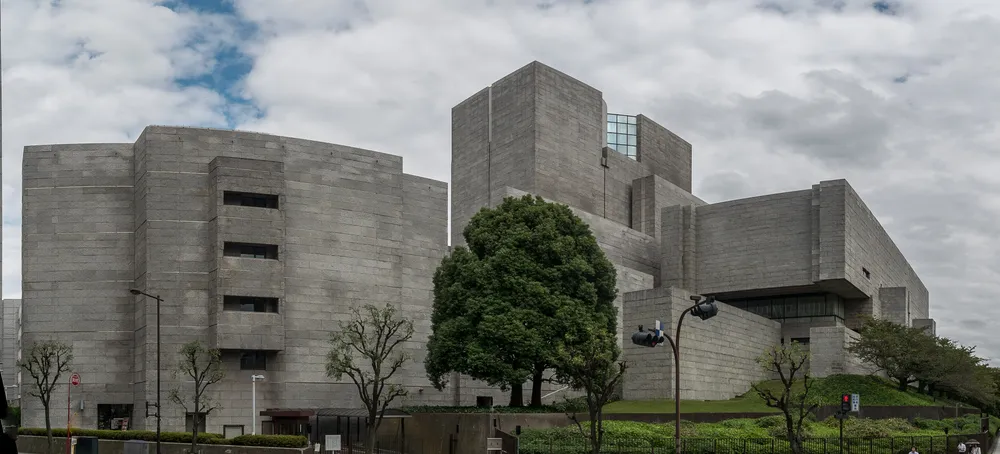
Japan's Supreme Court recently made a significant ruling, upholding a command from the Tokyo High Court to dissolve the Unification Church. This event has drawn widespread attention and discussion in Japanese society. According to Japan's legal system, the Supreme Court serves as the country's highest judicial authority, possessing ultimate judicial power to interpret the Japanese Constitution and decide national law issues.
The Unification Church is a new, emerging religious organization founded in South Korea in 1954 by Sun Myung Moon, which has subsequently established branches around the world, including in Japan. The church's activities in Japan have previously sparked controversy, with some members and their families accusing the church of engaging in unlawful missionary and economic activities. The Tokyo High Court's previous ruling found that the church's activities violated Japanese law and the Constitution, and subsequently ordered its dissolution. The Supreme Court's latest ruling upheld this command, marking a more resolute stance by Japan's judicial authorities against the Unification Church.
The Supreme Court's ruling is based on Japan's laws and Constitution, particularly the provisions regarding religious freedom and judicial independence. The Supreme Court has the power to conduct constitutional reviews of any law or official action, ensuring that they comply with the principles of the Japanese Constitution. This power enables the Supreme Court to play a crucial role in maintaining Japan's rule of law and democratic system. By upholding the Tokyo High Court's command, the Supreme Court has demonstrated its commitment to upholding Japan's laws and Constitution.
The dissolution of the Unification Church may have a certain impact on Japan's religious community and society. Some people believe that this ruling is a measure to prevent unlawful religious activities, thereby maintaining Japan's rule of law and social order. However, others are concerned that this ruling may have a negative impact on religious freedom, limiting the church's normal activities. The Japanese government and judicial authorities must strike a balance between maintaining the rule of law and protecting religious freedom.
Japan's legal and judicial systems play a vital role in maintaining social stability and safety. The Supreme Court's ruling reflects the independence and impartiality of Japan's judicial authorities, as well as the country's emphasis on the rule of law and religious freedom. This event is significant for Japan's religious community and society, and has also attracted international attention.
For Taiwan, Japan's Supreme Court ruling has significant reference value in understanding Japan's legal and judicial systems. As a democratic society, Taiwan also needs to strike a balance between maintaining the rule of law and protecting religious freedom. By observing and learning from Japan's experience, Taiwan can better handle its own religious and legal issues, further consolidating its democratic foundations and rule of law system. Additionally, Japan's judicial independence and impartiality are also an important reference for Taiwan's judicial reform.
Produced by our editorial team, with AI assistance in editing.