Israeli Court Extends Detention of Gaza Hospital Director by Six Months
An Israeli court has ordered a six-month extension of the detention of Dr. Hussam Abu Safiya, the director of the Kamal Edwan Hospital in the Gaza Strip. T
An Israeli court has ordered a six-month extension of the detention of Dr. Hussam Abu Safiya, the director of the Kamal Edwan Hospital in the Gaza Strip. The decision prolongs the legal proceedings surrounding the prominent medical figure, whose facility has been a focal point of intense military activity and humanitarian concern throughout the ongoing conflict in the region.
Dr. Abu Safiya was detained by Israeli forces amid operations in northern Gaza, where the Kamal Edwan Hospital sustained significant structural damage and operational disruptions. International humanitarian organizations and medical advocacy groups have repeatedly raised concerns regarding his well-being and the broader treatment of healthcare personnel operating in active conflict zones. Israeli authorities, however, have maintained that certain medical facilities and personnel have been utilized for military purposes by militant groups, a claim that underpins the legal scrutiny faced by staff members.
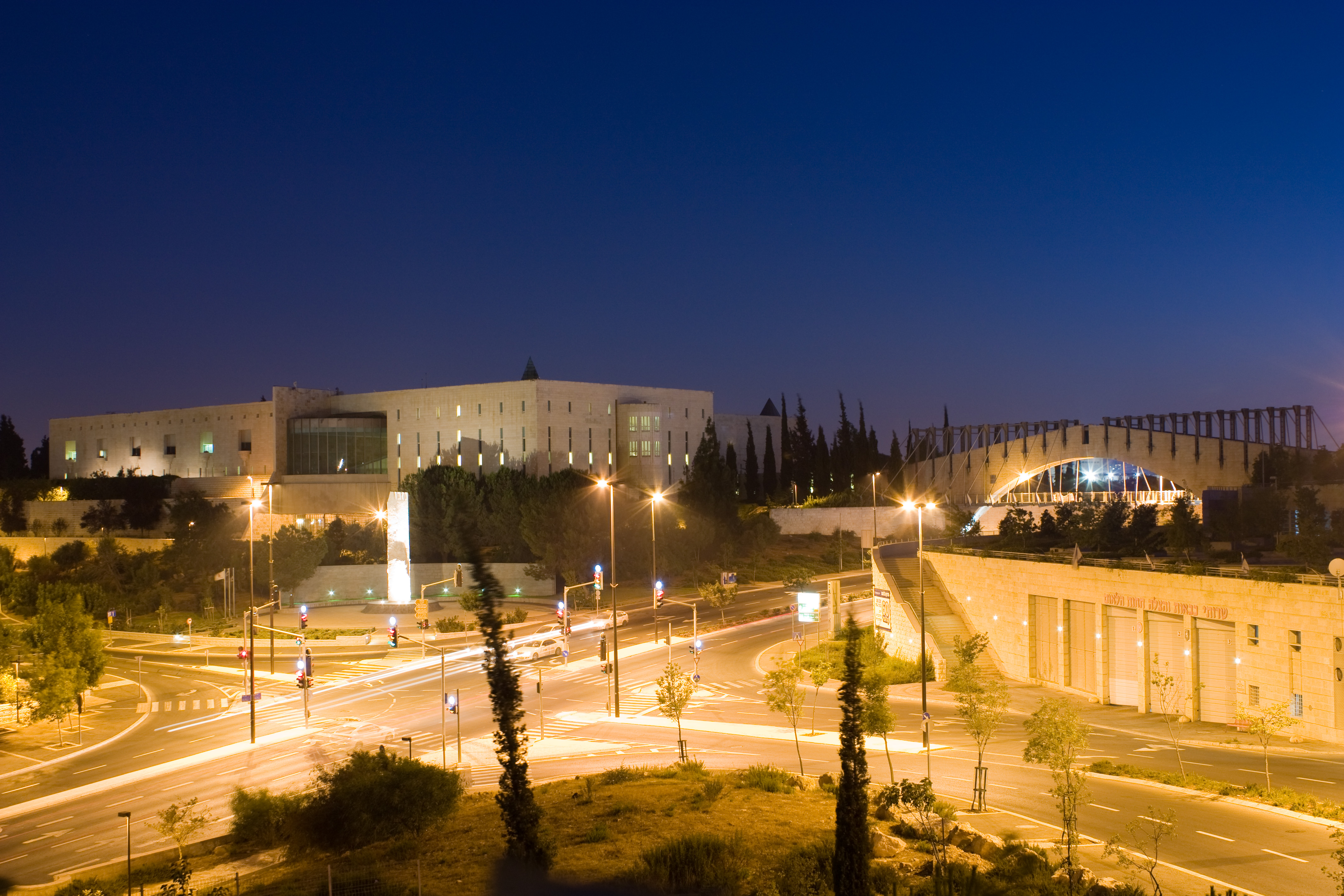
The handling of Dr. Abu Safiya’s case falls under Israel’s established legal framework, which operates independently within the Ministry of Justice, overseen jointly by the Supreme Court and the ministry itself. While Israel’s secular and religious court systems generally manage domestic civil, criminal, and personal status matters, individuals detained during military operations in the Palestinian territories are frequently subject to specific security detention protocols and military-adjacent judicial procedures. These procedures grant authorities extended periods for investigation and detention under national security legislation.
Human rights organizations argue that prolonged detentions without formal, transparent trials of medical professionals undermine protections guaranteed under international humanitarian law, which stipulates that healthcare workers should be shielded from harm and allowed to perform their duties. Conversely, the Israeli state contends that rigorous legal and investigative measures are necessary to address genuine security threats and to ascertain whether civilian infrastructure has been compromised for militant operations. The extended detention underscores the ongoing tension between military necessity and humanitarian protections in the Gaza conflict.
Developments regarding the treatment of medical personnel and infrastructure in conflict zones hold significant resonance for the international community, particularly concerning adherence to international law and the protection of humanitarian workers. For the wider international order, the precedent set in such cases influences global norms regarding the immunity of medical facilities during hostilities. While this situation does not carry a direct economic or technological link to Taiwan’s domestic industries, it remains a closely watched issue among global observers monitoring human rights standards, humanitarian access, and the application of international law in contemporary asymmetrical conflicts.
Produced by our editorial team, with AI assistance in editing.