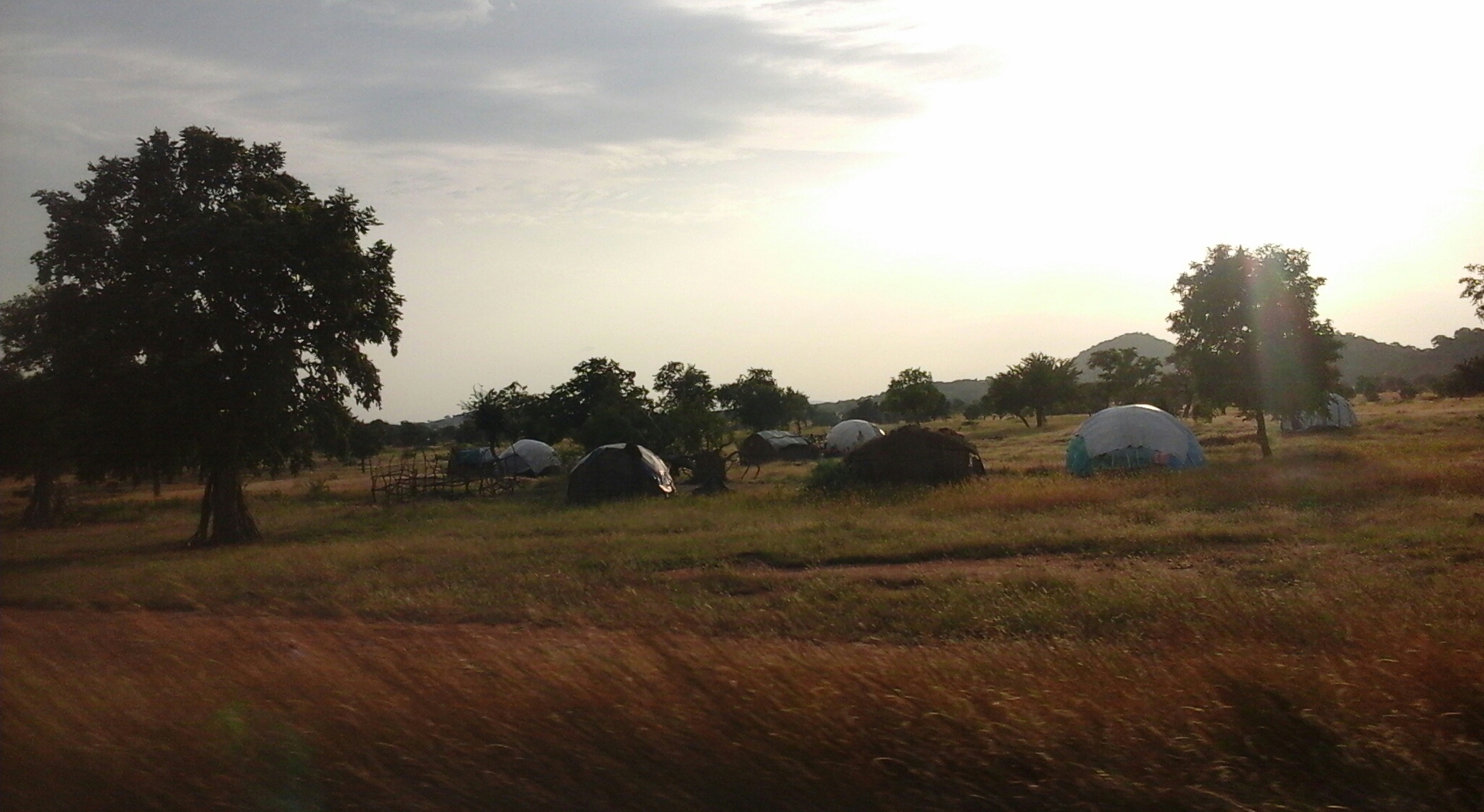
Israeli Airstrike on Khan Yunis Tent Kills Three, Including Child
An Israeli airstrike targeting a makeshift tent in the southern Gaza city of Khan Yunis has resulted in the deaths of three individuals, including a child,
An Israeli airstrike targeting a makeshift tent in the southern Gaza city of Khan Yunis has resulted in the deaths of three individuals, including a child, according to local medical reports. The strike occurred amid ongoing military operations in the enclave, where civilian infrastructure and densely populated displacement sites continue to be impacted by hostilities. Emergency responders and local residents rushed to the scene following the blast, pulling the casualties from the wreckage of the temporary shelter as humanitarian conditions across the Gaza Strip remain critical.
The latest escalation unfolds against the backdrop of a prolonged and deeply entrenched conflict rooted in the geopolitics of the Levant. The State of Israel, bordered by Lebanon, Syria, Jordan, and Egypt, has been engaged in extensive military operations in Gaza following cross-border attacks. Situated at a historic continental crossroad with a complex demographic history involving ancient kingdoms, Roman and Ottoman rule, and 20th-century geopolitical realignments, the region remains one of the most volatile flashpoints in international politics.
Israel maintains that its military campaign is directed entirely at dismantling the operational capabilities of militant groups operating within civilian areas, frequently asserting that combatants exploit non-combatants and humanitarian zones for cover. Israeli military authorities maintain that operations are conducted under operational necessity and international legal frameworks, though the high civilian death toll has drawn sustained international scrutiny regarding proportionality and the protection of vulnerable populations.
Conversely, Palestinian authorities, humanitarian organizations, and international bodies emphasize the devastating toll that continuous airstrikes and ground maneuvers are taking on displaced civilians. With millions of residents displaced multiple times and restricted access to basic necessities such as clean water, medical care, and adequate shelter, critics argue that the intensity of the military campaign amounts to a collective humanitarian crisis. International agencies continue to call for an immediate cessation of hostilities and unhindered access for humanitarian aid to alleviate the suffering of non-combatants trapped in the enclave.
While the direct geopolitical fallout of the Gaza conflict is primarily felt across the Middle East, the crisis reverberates globally through diplomatic friction, security realignments, and economic disruptions. For Indo-Pacific democracies, including Taiwan, ongoing instability in the Middle East underscores the fragility of global energy markets and vital maritime trade routes. Disruptions in the region can rapidly impact international supply chains and commodity prices, serving as a reminder of how interconnected regional conflicts are with broader global economic stability and security architecture.
Produced by our editorial team, with AI assistance in editing.