
Israeli airstrike in southern Lebanon kills over seven civilians, injures 20+
Israeli forces carried out a series of airstrikes in southern Lebanon on Tuesday, killing at least seven people and wounding more than twenty. The strikes
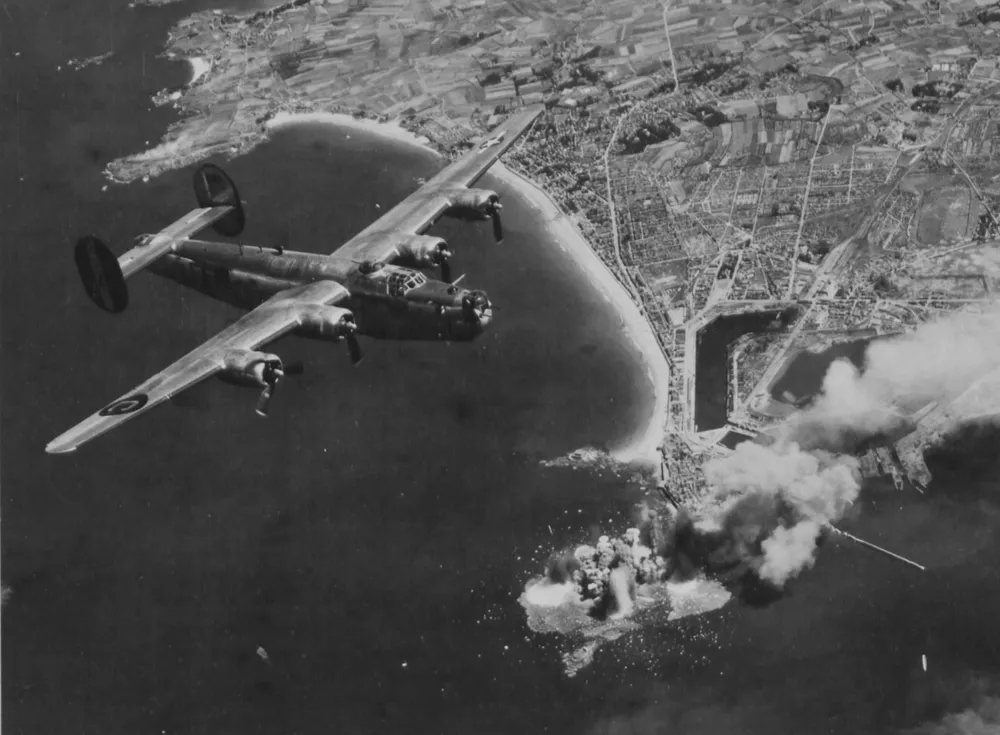
Israeli forces carried out a series of airstrikes in southern Lebanon on Tuesday, killing at least seven people and wounding more than twenty. The strikes targeted what were described as suspected militant positions and transportation infrastructure, but most of the victims were local civilians. International media reported the incident quickly, showing that the conflict has again spilled over into civilian areas.
An airstrike is an attack carried out from aircraft, helicopters or unmanned aerial vehicles against ground or maritime targets. The operation may employ machine‑guns, rockets, air‑to‑ground missiles or various types of bombs, ranging from precision‑guided warheads to more area‑effect explosives. When coordinated with ground forces, a forward observer on the ground typically directs the strike to ensure accuracy and reduce collateral damage; this practice is known in modern warfare as close air support.
The Lebanon‑Israel conflict has deep roots, especially since the large‑scale war between Israel and Hezbollah in 2006, after which the two sides have experienced periodic border frictions. Recently, Hezbollah launched rockets into Israeli territory, prompting Israel to respond with airstrikes that it said were aimed at destroying the militant group’s military infrastructure. Although Israel emphasizes that its targets are armed combatants, the dense concentration of towns and farms in southern Lebanon greatly raises the risk of civilian casualties.
The international community expressed concern over the incident. The United Nations Special Envoy to Lebanon called on all parties to exercise restraint and avoid “disproportionate” military actions; human‑rights organizations accused Israel of failing to verify its targets adequately, thereby violating international humanitarian law. Israel’s Ministry of Defense responded that the airstrikes were a necessary defensive measure against a “continuous threat” and said it would keep monitoring Hezbollah’s activities. Hezbollah, in turn, vowed to respond with even heavier fire to defend Lebanon’s sovereignty.
For Taiwan, the airstrikes highlight the asymmetric conflict dynamics between small armed groups and major military powers, offering lessons for its own defence planning. First, the precision of aerial operations and the extensive use of drones underscore the need for Taiwan to strengthen its air‑defence and detection capabilities, particularly by advancing high‑precision missile and reconnaissance platform development and deployment. Second, the applicability of international humanitarian law and media scrutiny demonstrate the legal and diplomatic challenges of balancing military necessities with civilian protection when conflicts escalate. Finally, the heightened tension between Lebanon and Israel reminds Taiwan that shifts in the regional security environment can quickly affect energy supplies and trade routes, making continued monitoring of developments in the Middle East essential to prepare for possible impacts.
Produced by our editorial team, with AI assistance in editing.