
Israel Destroys Hezbollah Tunnel, Sparks Tensions in Middle East Security Landscape
The Israeli military recently announced that it has destroyed a 200-meter-long Hezbollah tunnel in Majdal Zoun, a town in southern Lebanon, and notified th
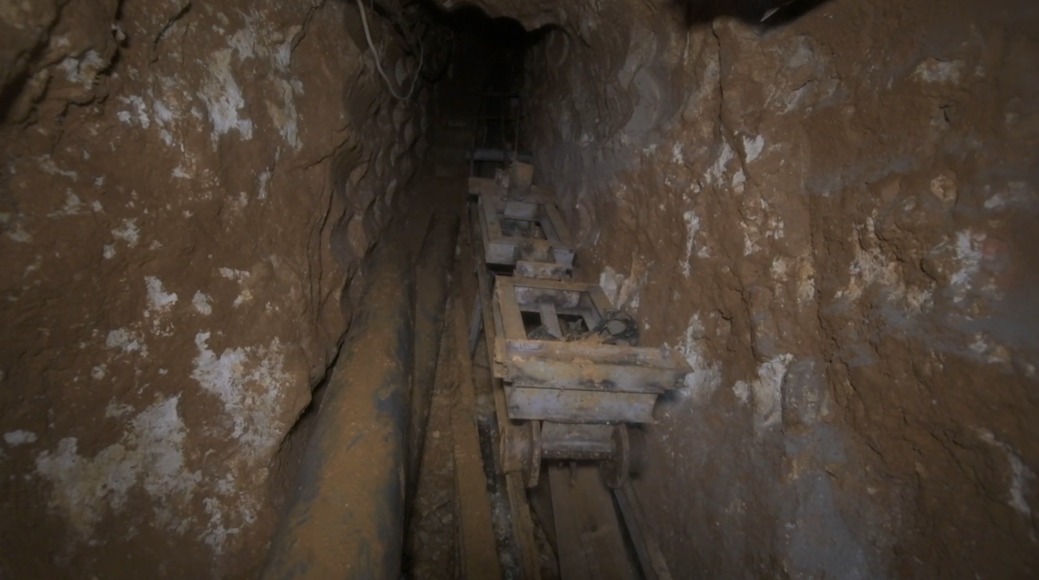
The Israeli military recently announced that it has destroyed a 200-meter-long Hezbollah tunnel in Majdal Zoun, a town in southern Lebanon, and notified the United States of the action beforehand. According to Israeli officials, the tunnel contained weapons and rocket launchers.
Hezbollah's underground tunnel network is a series of subterranean passages built by the organization in southern Lebanon, particularly near the border with Israel. These tunnels are primarily used for military purposes, such as smuggling weapons, storing supplies, and allowing fighters to move secretly. The tunnels have long been a major concern for Israel, which sees them as a direct security threat. The existence of the tunnels, particularly near the so-called "blue line," and other countries' incursions into Lebanese territory, have been seen as a violation of United Nations Security Council Resolution 1701.
The tensions between Israel and Hezbollah date back many years. Hezbollah is a Lebanese Shia Islamist organization founded in 1982 and has since been Israel's primary security concern. Israel views Hezbollah's underground tunnel network as a significant security threat because it can be used to launch surprise attacks and raids on Israeli territory. As a result, Israel has been working to destroy and disrupt Hezbollah's tunnel network.
Hezbollah's underground tunnel network has also drawn international attention. United Nations Security Council Resolution 1701 calls for Hezbollah to withdraw from southern Lebanon and prohibit the construction of military facilities in the area. However, Hezbollah has maintained a strong military presence in the region and continues to build and use underground tunnels. The existence of these tunnels poses not only a security threat to Israel but also a challenge to regional stability.
Israel's military action to destroy the Hezbollah tunnel is part of its efforts to maintain national security. Israel will continue to work to destroy and disrupt Hezbollah's tunnel network to protect its citizens and territory. Meanwhile, the international community also needs to continue monitoring Hezbollah's underground tunnel network and working to promote regional stability and security.
For Taiwan, this event has significance in understanding the complex security situation in the Middle East and the tense relationships between various countries. Although this event does not have a direct connection to Taiwan, it has important implications for understanding international politics and security situations. Furthermore, Taiwan can learn from the security situation in the Middle East and draw valuable experience and lessons for maintaining its own national security and regional stability.
Produced by our editorial team, with AI assistance in editing.
