
Iran and U.S. Set Up Direct Hotline to Ease Hormuz Tensions
Iran and the United States have recently established a direct communications link in accordance with Article 5 of their Memorandum of Understanding concern
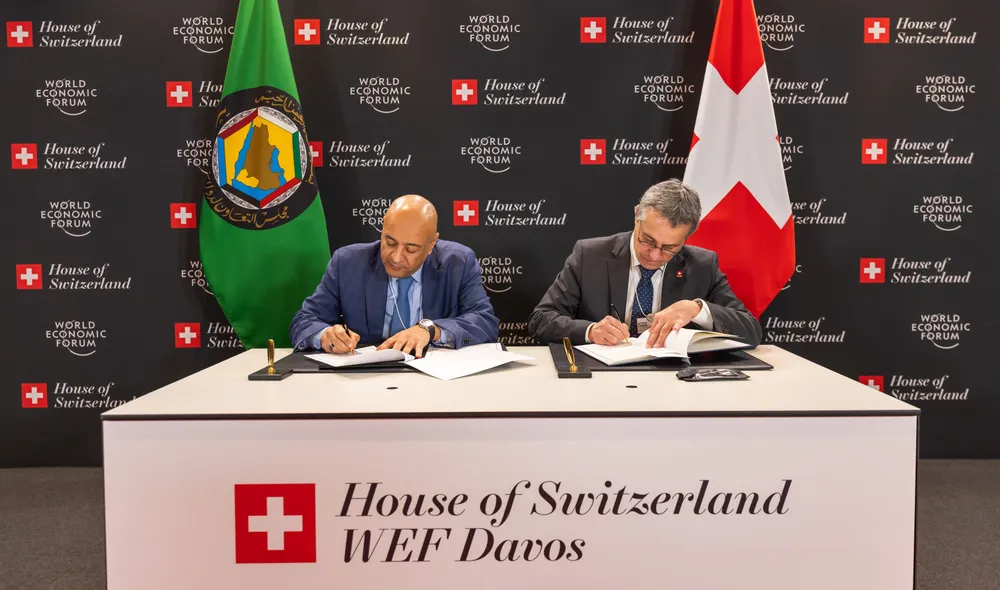
Iran and the United States have recently established a direct communications link in accordance with Article 5 of their Memorandum of Understanding concerning the Strait of Hormuz. The arrangement is intended to prevent incidents that could lead to military confrontation. The link is part of a broader effort by both parties to reduce tensions in the Strait of Hormuz region, a critical global oil‑transport corridor.
The Strait of Hormuz is a strategic chokepoint for Middle‑East and worldwide energy supplies, and its security has long been a focal point of international concern. Divergent interests and positions between Iran and the United States have contributed to persistent friction in the area. To avoid miscalculations and misunderstandings, the two governments agreed to set up a direct communications channel that would enable rapid dialogue and coordination in emergency situations. The establishment of the link is presented as an active measure to preserve safety and stability in the region.
A memorandum of understanding (MoU) is a commonly used diplomatic instrument that articulates the intentions and positions of the signatories. While such agreements are generally not legally binding, they can lay the groundwork for trust and cooperation among the parties. The Iran‑U.S. MoU concerning the Strait of Hormuz was crafted to enhance security and stability, and its provisions include the creation of the direct communications line as well as broader mechanisms for communication and coordination.
Under international law, the effect of an MoU depends on the parties’ intent and the context in which it is applied. Typically, MoUs lack enforceable legal obligations but can foster confidence‑building. The Iran‑U.S. MoU is therefore viewed as a practical step toward safeguarding the Strait of Hormuz, with its impact expected to become evident through implementation.
The direct communications link is regarded as significant for maintaining safety and stability in the Strait of Hormuz. By enabling swift contact and coordination during crises, the channel aims to avert misinterpretations that could otherwise escalate into conflict, thereby contributing to regional security. The initiative also signals a willingness by both nations to cooperate and communicate, which could have positive ramifications for the security and reliability of global energy supplies.
For Taiwan, the establishment of the Iran‑U.S. communications link carries implications for global energy security. As a major consumer of imported energy, Taiwan’s own energy stability is closely linked to the smooth functioning of worldwide supply chains. Cooperation between Iran and the United States that helps keep the Strait of Hormuz secure is therefore seen as beneficial to the broader objective of ensuring uninterrupted global energy flows. Taiwan may also draw lessons from the bilateral engagement to inform its own strategies for safeguarding national energy security and stability.
Produced by our editorial team, with AI assistance in editing.