Indian opposition parties protest voter roll revisions and demand election commissioner's resignation.
Thousands of demonstrators gathered in the heart of New Delhi on Tuesday, demanding the immediate resignation of Chief Election Commissioner Gyanesh Kumar.
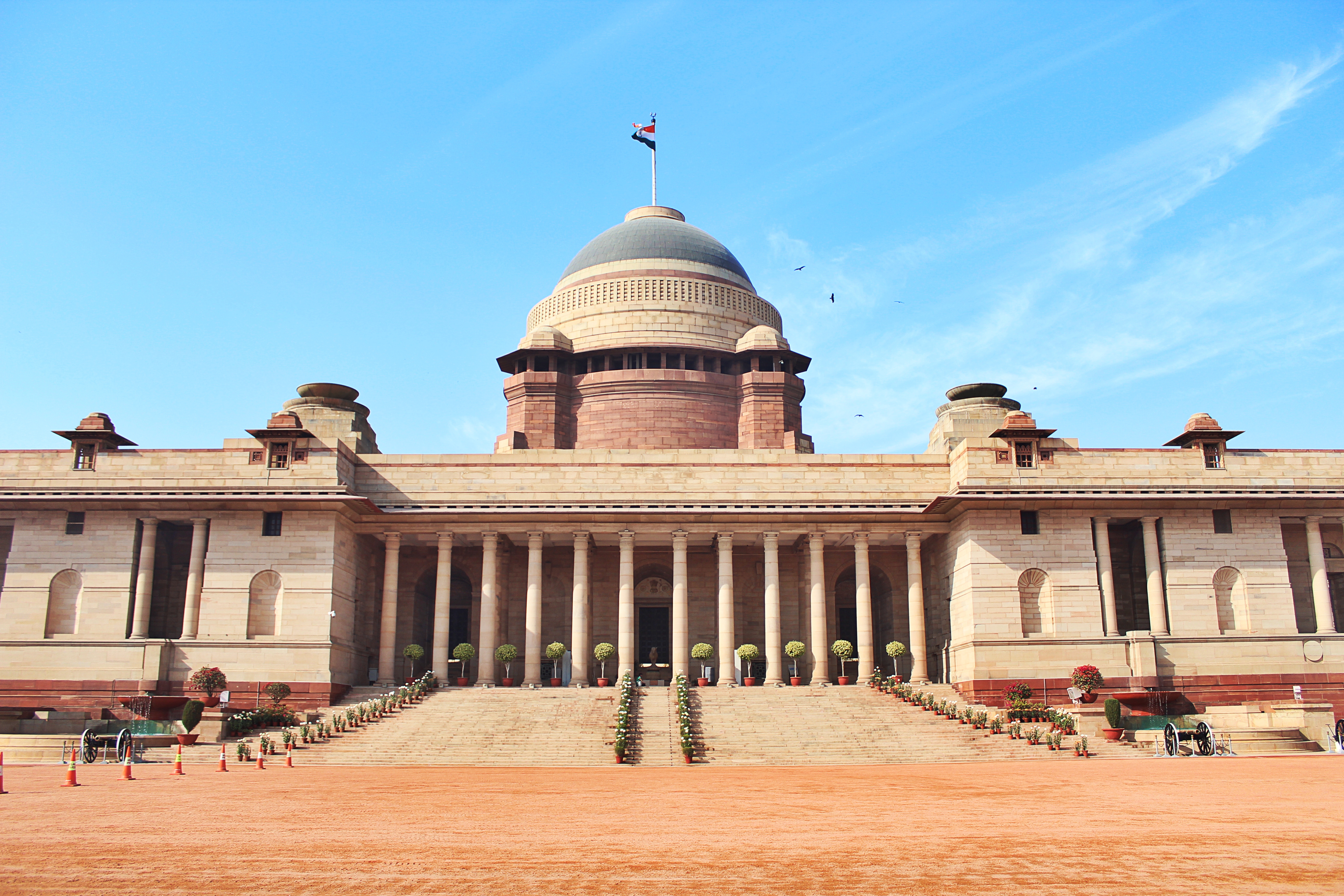
Thousands of demonstrators gathered in the heart of New Delhi on Tuesday, demanding the immediate resignation of Chief Election Commissioner Gyanesh Kumar. The protest, organized by major opposition factions, was sparked by sweeping revisions to voter rolls across several key states that critics argue systematically disenfranchise opposition supporters and tilt the electoral playing field in favor of the ruling administration.
The demonstration took place near the seat of India’s federal government within the National Capital Territory, drawing political leaders, activists, and citizens who chanted slogans and waved banners accusing the Election Commission of India of institutional bias. Protesters pointed to irregularities in recent administrative updates to voter registries, alleging that thousands of legitimate voters, particularly in urban working-class neighborhoods and minority-dense constituencies, have been arbitrarily removed from the rolls without adequate notification or recourse.
The Election Commission of India has strongly defended its administrative procedures, maintaining that the roll revisions are part of a routine, transparent nationwide exercise to purge duplicate and deceased entries and ensure the integrity of the electoral database. Government representatives dismissed the opposition's allegations as politically motivated posturing designed to undermine public trust in independent constitutional bodies following recent electoral setbacks.
The standoff highlights deepening polarization over the autonomy of India's democratic institutions. The Election Commission, tasked with administering free and fair elections in the world's largest democracy, has increasingly found itself at the center of partisan friction. Opposition parties argue that recent appointments and procedural shifts have compromised the watchdog's historic neutrality, while the ruling coalition counters that such challenges are attempts to delegitimize constitutional authorities when outcomes do not favor opposition parties.
As the political crisis unfolds in the national capital, the stability and perceived impartiality of India's democratic architecture carry significant implications for the wider Indo-Pacific region. As a core democratic anchor in South Asia and a vital economic partner for global democracies, including Taiwan, the strength of India's governance institutions directly affects regional stability, foreign investment confidence, and multilateral efforts to uphold a rules-based international order.
Produced by our editorial team, with AI assistance in editing.