
Indian Education Minister Pradhan resigns over exam leaks, becoming Modi's first cabinet departure.
Indian Education Minister Dharmendra Pradhan recently announced his resignation in a move aimed at stemming the nationwide wave of protests sparked by rece
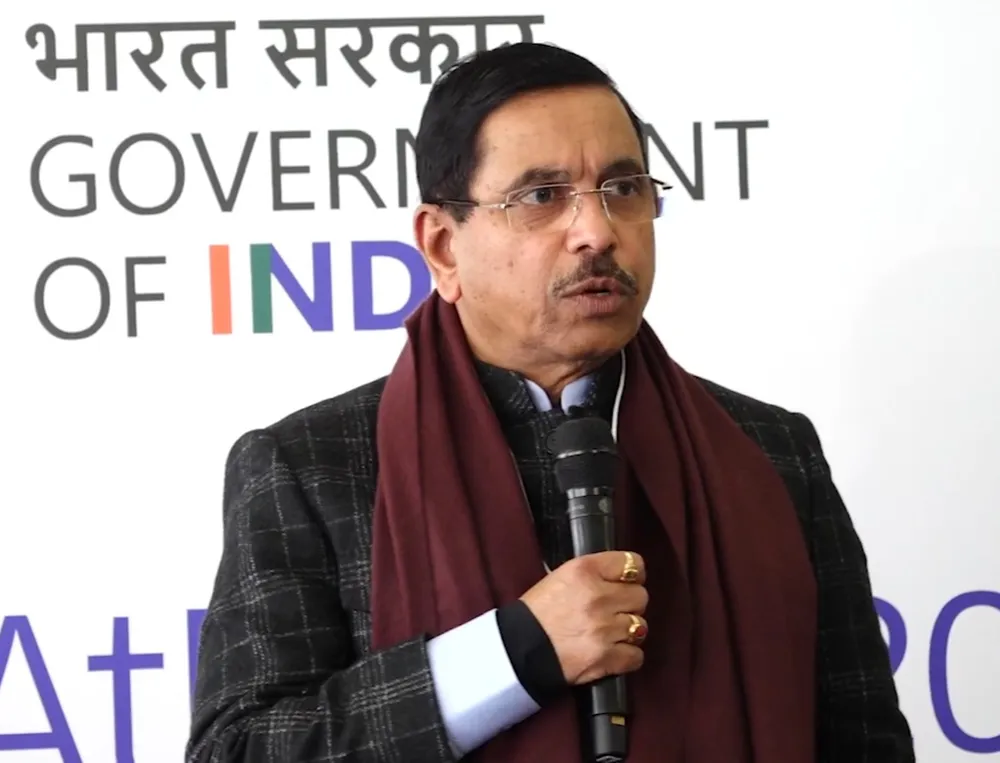
Indian Education Minister Dharmendra Pradhan recently announced his resignation in a move aimed at stemming the nationwide wave of protests sparked by recent national entrance exam paper leaks and systemic flaws within the educational system. This personnel change marks the first major political concession made by Prime Minister Narendra Modi's administration in response to large-scale domestic street protests since it began its third term earlier this year, while also highlighting the extreme anxiety among India's younger generation regarding employment prospects and fair competition.
The catalyst for the wave of protests stems from successive paper leaks and administrative failures in multiple national entrance and recruitment examinations. In India, millions of candidates often invest years of time and substantial financial resources preparing for exams in pursuit of limited university admission slots and stable public sector positions. However, recurring examination scandals have not only shattered the aspirations of students from disadvantaged backgrounds to improve their social standing, but have also triggered widespread public discontent over the fairness of the education system and administrative efficiency. Faced with mounting political pressure from opposition parties and youth student groups, the ruling cabinet has been grappling with an increasingly severe governance crisis.
As one of the core ministries of the federal government, the Ministry of Education is responsible for overseeing national education policies, higher education development, and the planning of various important academic and professional examinations. Historically, this portfolio—known as the Ministry of Human Resources Development between 1985 and 2020—played a crucial role in promoting national talent cultivation; however, it has now become a primary target of criticism due to rampant vulnerabilities in the testing system. Pradhan's departure is seen as a necessary political maneuver by the Modi government to appease public grievances and staunch the political bleeding, yet it also reflects the ruling party's difficult predicament in addressing structural domestic issues.
Although Pradhan has stepped down, analysts point out that merely replacing a cabinet minister is unlikely to fully eradicate the deep-seated ailments that have accumulated over a long period within India's education and examination systems. How to rebuild public trust in the examination system, prevent future malpractice, and respond to the expectations of millions of Indian youth regarding social mobility will be a severe test for the Modi government moving forward. Without fundamental institutional reforms, similar public grievances could continue to undermine the government's legitimacy to govern.
For Taiwan, as the world's most populous nation and a major economic powerhouse, India's massive youth population and talent pool in high-tech fields such as semiconductors and software have always been focal points for global supply chains and multinational corporate deployments. The social unrest triggered by the imbalance between India's education system and employment opportunities not only affects its domestic stability and economic transformation pace, but may also indirectly impact the operating environment for foreign investment in the region. Continuing to monitor how India addresses the challenges of talent cultivation and administrative reform will help Taiwanese sectors gain a more comprehensive understanding of local political and economic risks as well as social contexts when deepening economic, trade, and industry-academia cooperation with India.
Produced by our editorial team, with AI assistance in editing.