
Independent Łukasz Gibała Wins Kraków Mayoral Election, Defeating Government-Backed Candidate
Independent candidate Łukasz Gibała secured a decisive victory in the Kraków mayoral election, defeating Monika Piątkowska, a senator backed by the ruling
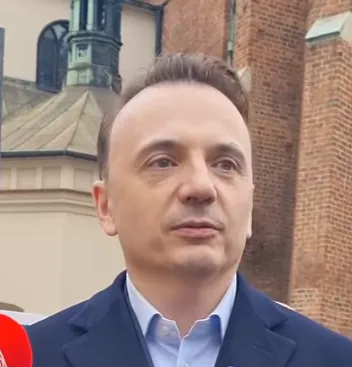
Independent candidate Łukasz Gibała secured a decisive victory in the Kraków mayoral election, defeating Monika Piątkowska, a senator backed by the ruling Civic Platform coalition. The outcome marks a significant political shift in Poland's second-largest city, delivering a notable setback to the national governing establishment and underscoring the growing appeal of grassroots, non-partisan alternatives in urban local governance.
Gibała, a long-serving city councillor and former national parliamentarian, ran on a platform centered on civic participation, urban transparency, and localist reform. As the leader of the "Kraków for Residents" movement since 2014, his campaign successfully capitalized on voter fatigue with traditional national party politics, positioning him as an independent voice dedicated entirely to municipal issues rather than broader party agendas.
For the governing Civic Platform coalition, the defeat of Piątkowska represents a sharp reality check. Prime Minister Donald Tusk’s administration had heavily invested political capital in municipal races across Poland to consolidate its influence outside of Warsaw following the parliamentary elections. The loss in Kraków demonstrates that local electorates remain fiercely independent and willing to bypass national party endorsements in favor of candidates deeply embedded in local civic structures.
The election results also highlight a broader European trend wherein urban centers increasingly drift away from traditional party lines, favoring localized political movements that promise direct action on housing, transportation, and environmental sustainability. Gibała’s victory signals that voters in major metropolitan areas are prioritizing proximity and community activism over party loyalty, creating a complex landscape for national political parties attempting to project authority at the municipal level.
Beyond domestic politics, the consolidation of independent urban leadership in key economic and cultural hubs like Kraków carries implications for Poland’s broader trajectory within the European Union. Strong, locally focused administrations often steer regional investment, green transition projects, and EU fund absorption with a high degree of autonomy. As Poland navigates post-pandemic economic recovery and regional security challenges, stable and responsive municipal governance in vital cities like Kraków remains a cornerstone of the nation’s democratic and administrative resilience.
Produced by our editorial team, with AI assistance in editing.
