Hundreds of Thousands Protest in Zagreb Over Illegal Hazardous Waste Dump in Gospić
Hundreds of thousands of people gathered in Zagreb’s central square on Saturday, chanting for the removal of roughly 37,000 tonnes of hazardous waste that
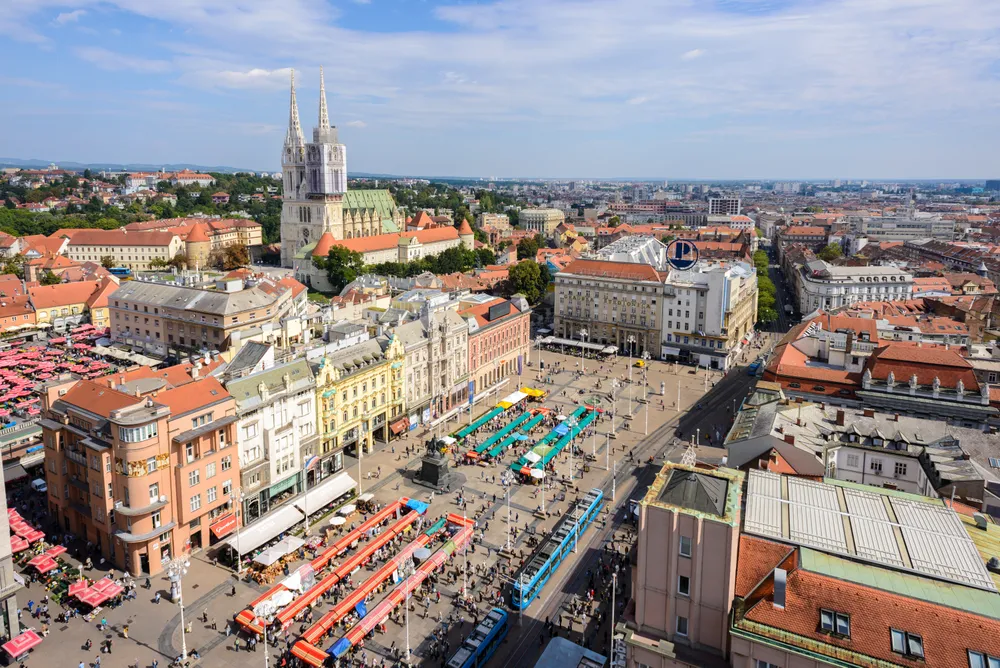
Hundreds of thousands of people gathered in Zagreb’s central square on Saturday, chanting for the removal of roughly 37,000 tonnes of hazardous waste that authorities say were illegally dumped in the town of Gospić, and for an immediate ban on further waste imports. Organisers of the protest, a coalition of environmental NGOs and local residents, presented a petition to the city mayor and demanded that the national government intervene before the waste – stored in open‑air pits for months – contaminates soil and groundwater. Police reported that the demonstration remained peaceful, though traffic in the capital was temporarily disrupted.
The protest in Zagreb comes against a backdrop of Croatia’s broader waste‑management challenges. As the nation’s capital and a hub for over a million residents in the metropolitan area, Zagreb has long been the focal point for national policy debates, including those on environmental protection. The country’s accession to the European Union in 2013 obliged it to adopt stricter waste‑handling standards, yet gaps remain in monitoring illegal imports, especially in the less‑industrialised Lika region where Gospić lies. Critics argue that the waste – primarily industrial sludge and chemical residues – was smuggled in under the guise of “recyclable material” and subsequently abandoned when processing facilities refused to accept it.
The Croatian government has responded by pledging a forensic audit of the waste sites and promising to coordinate with the European Commission’s environmental watchdog, the European Environment Agency, to assess compliance with EU directives on hazardous waste. Officials from the Ministry of Environment and Energy highlighted that existing permits for waste importation are being reviewed and that any party found guilty of breaching the Waste Framework Directive will face penalties. Conversely, representatives of the companies that allegedly transported the waste contend that they acted within the scope of temporary licences and that the responsibility for site security now rests with local authorities in Gospić.
Local activists, meanwhile, stress that the health risks extend beyond the immediate vicinity of the pits. Hydrogeologists have warned that the region’s karstic limestone formations facilitate rapid underground water flow, potentially carrying contaminants toward the Sava River, which runs through Zagreb before joining the Danube. If pollutants reach the river, they could affect downstream communities in Slovenia and Bosnia‑Herzegovina, raising cross‑border concerns. The protest’s call for a ban on waste imports reflects broader anxieties about Croatia’s role as a “dumping ground” for hazardous material from other EU states, a charge the government denies, citing rigorous customs inspections.
The demonstration underscores a growing tension between economic incentives to attract waste‑processing contracts and the environmental costs of inadequate oversight. As Croatia seeks to modernise its waste‑treatment infrastructure, the Gospić case may become a litmus test for the effectiveness of EU‑aligned regulations and for public confidence in state institutions tasked with safeguarding health and ecosystems. The outcome could influence future investment decisions in the region’s waste‑management sector and shape the country’s reputation within the European environmental governance framework.
For Croatia and the wider Balkan region, the issue carries implications beyond a single town. Contamination of groundwater and river systems threatens agricultural productivity, tourism revenues, and the safety of drinking water supplies for millions of people downstream. Moreover, persistent doubts about waste‑import controls could deter foreign investors wary of regulatory uncertainty, while prompting neighboring states to scrutinise their own cross‑border waste flows. Resolving the Gospić crisis therefore matters not only for local residents but also for regional environmental stability, trade relations, and the credibility of EU environmental standards in the Western Balkans.
Produced by our editorial team, with AI assistance in editing.