
Hong Kong Court Convicts Pro‑Democracy Leaders for Tiananmen Commemoration
Hong Kong’s Court of First Instance handed down guilty verdicts on 23 May 2024 against veteran pro‑democracy figure Lee Cheuk‑yan and former legislator Cho
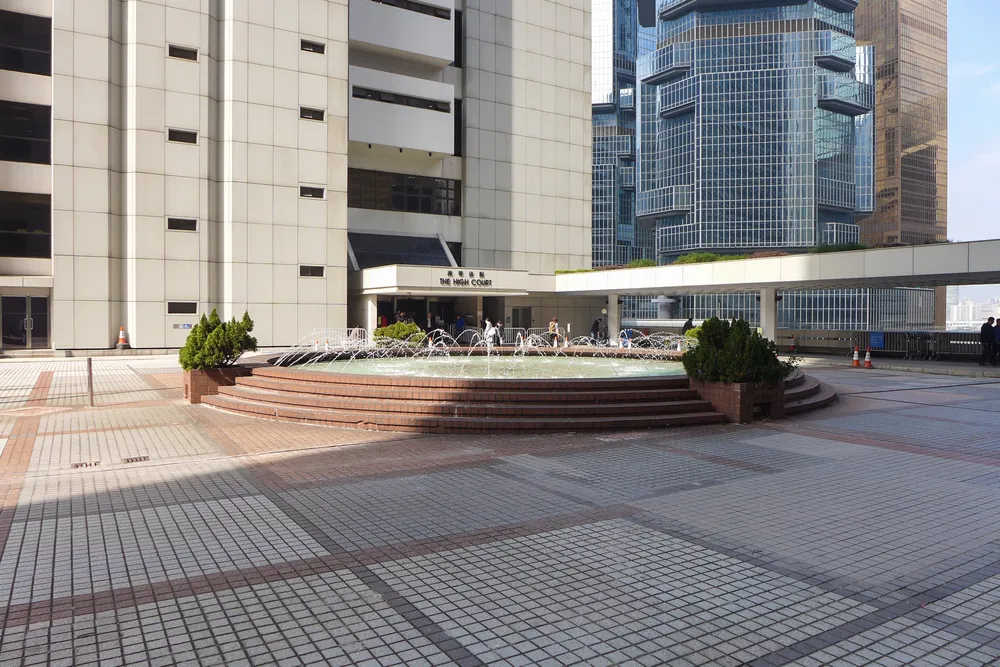
Hong Kong’s Court of First Instance handed down guilty verdicts on 23 May 2024 against veteran pro‑democracy figure Lee Cheuk‑yan and former legislator Chow Hang‑tung, finding both guilty of incitement to subversion for organising the city’s annual Tiananmen Square massacre commemorations. The court sentenced each to a term of imprisonment, with the maximum penalty for the offence set at ten years, marking the latest high‑profile enforcement of the city’s national‑security framework.
The Court of First Instance sits at the lower tier of Hong Kong’s High Court, which itself is subordinate only to the Court of Final Appeal. As the highest trial court with unlimited jurisdiction, it handles the most serious criminal matters—ranging from homicide to major fraud—and conducts jury trials in such cases. It also serves as an appellate body for decisions from lower courts and certain tribunals. The court’s rulings therefore carry significant weight in shaping Hong Kong’s legal landscape, particularly on issues that intersect with public order and political expression.
Lee, a former secretary‑general of the Hong Kong Confederation of Trade Unions, and Chow, a former member of the Legislative Council, have long been prominent organizers of the June 4 vigil, a gathering that has traditionally drawn thousands of participants to Hong Kong’s Victoria Park. The authorities allege that the activists used the event to “incite hatred, contempt or disaffection” toward the central government, a charge grounded in the national‑security law imposed by Beijing in 2020. Prosecutors argued that the vigils constituted a coordinated effort to undermine state authority, while the defence maintained that the commemorations were a lawful exercise of the right to peaceful assembly and a remembrance of a historic tragedy.
The verdict arrives amid an increasingly restrictive environment for civil society in Hong Kong. Since the national‑security legislation took effect, a series of arrests and convictions of pro‑democracy activists has signalled a shift toward tighter state control over public dissent. The Hong Kong government, citing the need to safeguard national sovereignty and public safety, defended the convictions as consistent with the law’s purpose. International human‑rights groups and several foreign governments have expressed concern that the rulings erode the “one country, two systems” promise and curtail fundamental freedoms. Legal experts note that the charge of incitement to subversion, traditionally reserved for overt calls to overthrow the government, is being applied to relatively peaceful commemorative activities, thereby broadening its interpretive scope.
The case bears relevance beyond Hong Kong’s borders, particularly for Taiwan, which closely monitors the erosion of democratic space in the neighboring Special Administrative Region. The convictions underscore the growing divergence between Hong Kong’s legal environment and the more open civic space that Taiwan maintains, reinforcing Taipei’s narrative of itself as a bastion of liberal values in the region. Moreover, the crackdown on historical memory and public assembly could influence cross‑strait dynamics, affecting how civil societies in East Asia navigate pressures from Beijing and shaping international perceptions of China’s approach to governance and human rights.
Produced by our editorial team, with AI assistance in editing.
