High‑speed train collision near Toledo kills 68, injures 179.
A high‑speed collision between two passenger trains near Los Yébenes and Urda in the Province of Toledo, Spain, has left at least 68 people dead and 179 in
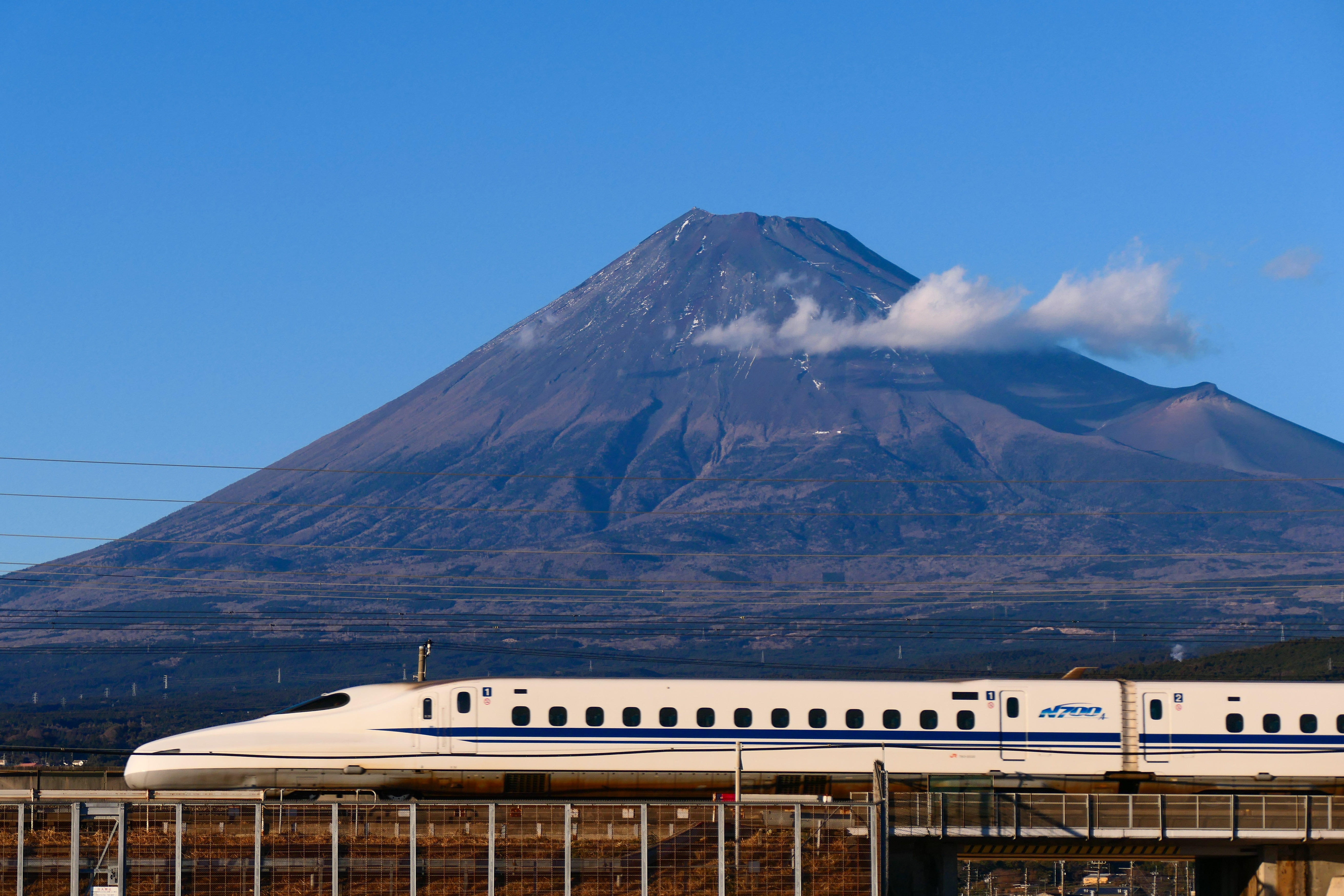
A high‑speed collision between two passenger trains near Los Yébenes and Urda in the Province of Toledo, Spain, has left at least 68 people dead and 179 injured. The incident occurred early on Thursday morning when the Madrid‑to‑Seville service traveling at 280 km/h collided with a freight train that had entered the main line unexpectedly. Emergency crews were dispatched within minutes, but the impact caused the passenger cars to derail, resulting in a large number of casualties and widespread damage to the high‑speed tracks.
Spain’s high‑speed rail network, inaugurated in the 1990s, has become one of Europe’s most extensive, linking Madrid to cities such as Seville, Barcelona, and Valencia at speeds up to 300 km/h. The collision comes at a time when the country is expanding its infrastructure, adding new lines to the Andalusian and Basque regions, and investing in modern signalling systems. The accident underscores the complex technical and operational demands of maintaining safety on lines that carry thousands of passengers daily at near‑bullet‑train speeds.
Renfe, the national railway operator, and the Spanish Ministry of Transport have issued statements expressing deep sorrow and pledging a full investigation. The Civil Aviation Safety and Security Agency (AESA) has been called in to oversee the probe, while the European Union’s Railway Safety Agency (ERA) has urged cooperation to ensure compliance with pan‑European safety standards. Early reports suggest a possible signalling fault or human error may have contributed, but officials are withholding definitive conclusions until the investigation is complete.
Historically, Spain has maintained a solid safety record on its high‑speed lines, with few major incidents since the system’s launch. Nonetheless, the country’s rail safety framework is under scrutiny, especially after a 2013 derailment in the Basque Country and a 2018 collision involving a freight train on a conventional line. The new incident may prompt a review of existing protocols, the adequacy of automatic train protection systems, and the training of staff operating at high speeds.
The accident also has broader implications for the European high‑speed rail sector. While European networks have largely been built and operated by domestic companies, China’s recent expansion of its own high‑speed rail has positioned it as a leading supplier of rolling stock, signalling technology, and construction services. European operators have increasingly turned to Chinese manufacturers for new trains and infrastructure components. A safety breach in one of Europe’s flagship systems could influence perceptions of technology transfer and the reliability of imported equipment, prompting regulators to reassess procurement processes and technical oversight.
Beyond the immediate tragedy, the collision will likely influence policy decisions on rail safety, investment in infrastructure, and cross‑border cooperation within the EU. Enhanced safety measures may lead to increased operational costs, potentially affecting ticket prices and the competitiveness of rail transport against air and road alternatives. For the wider region, any shift in confidence in high‑speed rail could alter travel patterns, supply chain logistics, and even diplomatic engagements that rely on efficient passenger and freight movement. The ongoing investigation will thus be closely watched by policymakers, industry stakeholders, and passengers who depend on Spain’s high‑speed rail network for daily commuting and long‑distance travel.
Produced by our editorial team, with AI assistance in editing.