
Helicopter collision at Lukla kills Indian tourist, injures New Zealander
A collision between two charter helicopters operated by Air Dynasty and Fishtail Air occurred during a landing attempt in the Solukhumbu District of Nepal’
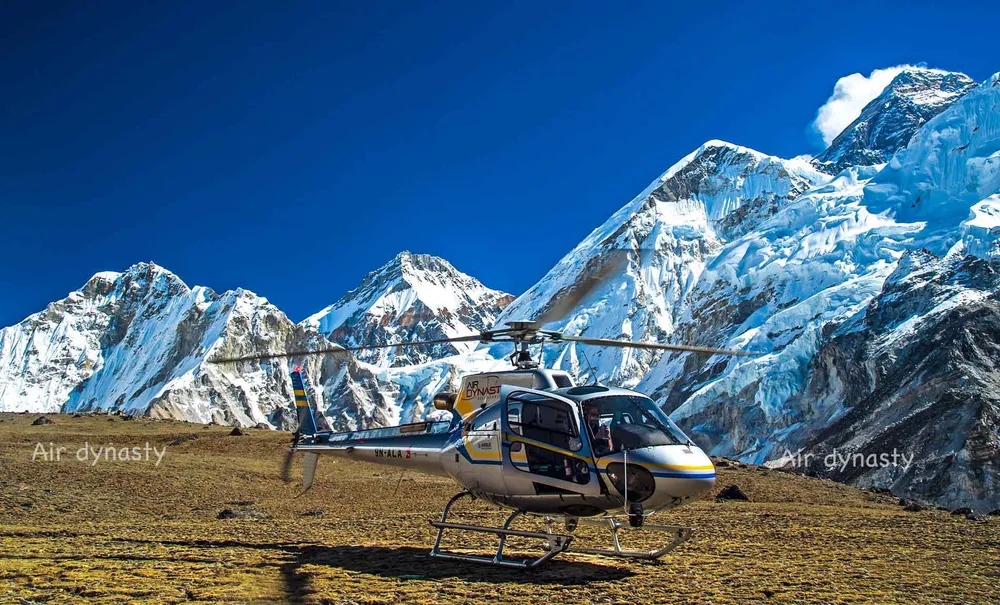
A collision between two charter helicopters operated by Air Dynasty and Fishtail Air occurred during a landing attempt in the Solukhumbu District of Nepal’s eastern Himalayas on Tuesday, killing an Indian national and injuring a New Zealand tourist. The crash happened in the early afternoon as the aircraft were preparing to land at Lukla, the gateway to Mount Everest, according to the Nepal Civil Aviation Authority (CAA). The Indian tourist, who was on a trekking tour, was pronounced dead at the scene, while the New Zealand national sustained serious injuries and was air‑lifted to a Kathmandu hospital for treatment.
Air Dynasty, founded in 1993, is a Kathmandu‑based helicopter charter firm that operates from three hubs—Kathmandu, Pokhara and Lukla—providing domestic flights for trekkers, climbers and business travelers. The company has faced regulatory scrutiny, including a ban on operating in European Union airspace, citing safety concerns. Fishtail Air, another Nepali operator, similarly provides helicopter services to remote regions, often serving the high‑altitude tourism market that relies on air transport to reach Lukla and other trekking bases. Both airlines have a long history of supporting the country’s booming adventure‑tourism sector, which is a major source of foreign exchange.
Investigators from the CAA have begun a preliminary inquiry into the accident, focusing on flight data, maintenance records and pilot reports. Early statements suggest that the helicopters were attempting to land simultaneously on the same helipad, a procedure that requires precise coordination and clear communication. Witnesses noted that the air traffic control tower at Lukla was operating at full capacity, with several aircraft arriving and departing in quick succession. The CAA has requested that both airlines submit their flight logs and maintenance documentation to determine whether any procedural lapses or mechanical failures contributed to the collision.
The incident has drawn swift reactions from Nepal’s government and tourism authorities. President Bidya Chamling announced that the state would review helicopter safety protocols and consider new regulations to prevent future accidents. The Nepal Tourism Board expressed condolences to the families of the victims and pledged to cooperate with investigators. Meanwhile, the families of the deceased and injured passengers have called for a comprehensive safety audit and for compensation for the loss of life and injuries sustained.
Safety concerns in Nepal’s helicopter industry are not new. In recent years, the country has experienced a series of accidents involving high‑altitude flights, prompting calls for stricter oversight. The CAA has previously tightened licensing requirements for pilots and mandated regular safety audits for operators. International observers have noted that the EU ban on Air Dynasty reflects broader worries about maintenance standards and pilot training. The crash underscores the fragile balance between providing essential access to remote Himalayan communities and ensuring that aviation safety keeps pace with the region’s growing demand for air transport.
For the wider region, the incident serves as a reminder of the critical importance of stringent aviation safety standards in high‑risk environments. The global tourism industry, particularly adventure travel, depends on reliable air services to reach remote destinations. The accident may prompt airlines in neighboring countries, including Taiwan, to re‑examine their own safety protocols and regulatory compliance, especially as Taiwanese operators increasingly serve international markets that overlap with Nepal’s tourism routes. In a world where supply chains and tourism flows are highly interconnected, maintaining rigorous safety oversight is essential not only for protecting lives but also for sustaining economic activity across borders.
Produced by our editorial team, with AI assistance in editing.
