Hawk Fire Burns 20 Square Miles, Evacuates 150 Residents Near Reno
The Nevada Department of Forestry confirmed on Thursday that the Hawk Fire, which ignited on the southern slopes of Peavine Peak in the Humboldt‑Toiyabe Na
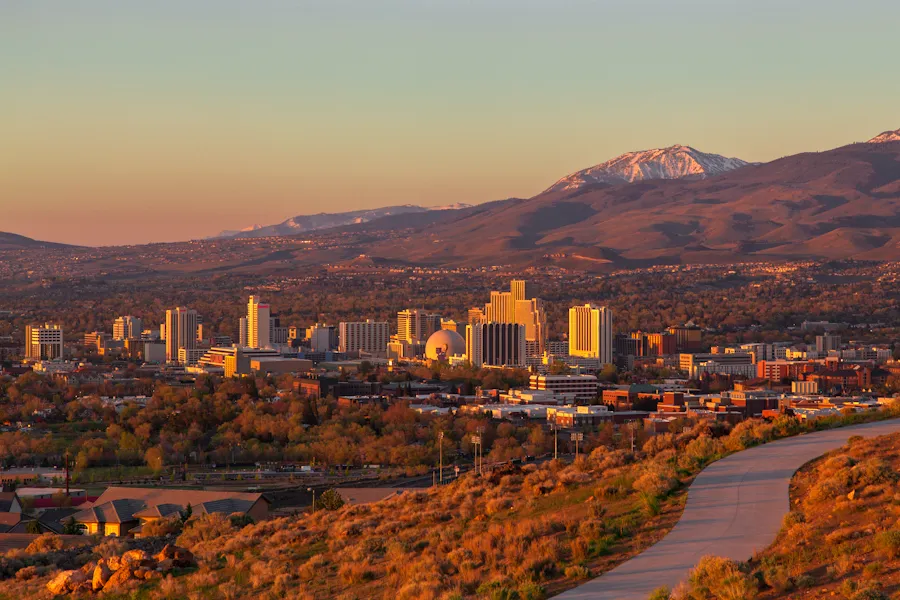
The Nevada Department of Forestry confirmed on Thursday that the Hawk Fire, which ignited on the southern slopes of Peavine Peak in the Humboldt‑Toiyabe National Forest on Monday, has now engulfed more than 20 square miles (53 sq km) of timber and brush. The blaze, driven by gusty southwest winds, leapt the forest’s ridgeline early this morning, crossing into the steep, rugged terrain that borders the western edge of the Reno‑Sparks metropolitan area. Officials ordered the evacuation of approximately 150 residents from the small community of Peavine and surrounding cabins, and set up a temporary shelter at the Reno‑Sparks Convention Center. Air tankers, ground crews, and a state‑wide incident management team were deployed to contain the fire before it threatens the outskirts of Reno.
Peavine Peak sits at the interface between the high desert of the Great Basin and the forested slopes of the Sierra Nevada foothills. The area is part of the Humboldt‑Toiyabe National Forest, the largest national forest outside Alaska, which spans more than 6 million acres across Nevada and a portion of eastern California. The forest’s mixed conifer and sagebrush ecosystems have long been prone to fire, but decades of fire suppression have left a substantial fuel load of dead wood and dense underbrush. The Hawk Fire began in a remote section of the forest where a lightning strike was reported, and it quickly found ample tinder as the region entered an unusually dry and hot spell for early summer.
State and federal agencies have coordinated a multi‑agency response. The U.S. Forest Service, the Nevada Division of Forestry, and local fire districts have pooled resources, including two Type 1 incident command teams, eight air tankers, and over 500 firefighters. The terrain around Peavine Peak, with its steep cliffs and limited road access, hampers ground operations and forces crews to rely heavily on aerial suppression. Evacuation orders were issued by Washoe County officials after the fire crossed the forest’s natural firebreak and moved toward the residential fringe of the Truckee Meadows. Residents were urged to leave their homes immediately, and power was shut off in several outlying substations as a precaution against downed lines.
The Hawk Fire is part of a broader pattern of increasingly severe wildfires across the western United States. Warmer temperatures, prolonged drought, and earlier snowmelt have lengthened the fire season, while the accumulation of untreated fuels has turned many forested areas into tinderboxes. In Nevada, the 2023 wildfire season saw more than 1 million acres burned, a record that underscored the vulnerability of the state’s rapidly expanding urban‑wildland interface. Reno, the “Biggest Little City in the World,” sits at the gateway to the Sierra Nevada and has seen its suburbs encroach on historic fire corridors. The economic stakes are high: the Reno‑Sparks metro area, home to more than 600,000 people, is a regional hub for technology, logistics, and tourism, and a large fire could disrupt supply chains, strain emergency services, and depress tourism revenues.
While the fire poses no direct threat to Taiwan, the challenges it illustrates resonate with the island’s own wildfire risk and broader climate‑security concerns. Taiwan’s mountainous terrain and dense forest cover have made it increasingly susceptible to fire during dry, windy periods, prompting authorities to modernize detection and suppression capabilities. The United States and Taiwan have cooperated on forest‑fire research, satellite monitoring, and the development of advanced firefighting equipment. Lessons from the Hawk Fire—particularly the importance of coordinated inter‑agency response, community evacuation planning, and proactive forest‑management to reduce fuel loads—could inform Taiwan’s strategies to mitigate similar hazards. Moreover, the incident highlights the interconnected nature of climate‑driven disasters, underscoring the value of shared expertise and technology transfer in enhancing resilience across the Pacific Rim.
Produced by our editorial team, with AI assistance in editing.