Haakon VIII crowned in Norway; Ingrid becomes first Crown Princess
The Norwegian Parliament (Storting) held a formal coronation ceremony on 29 August 2026, during which Haakon VIII swore his oath in the parliamentary chamb
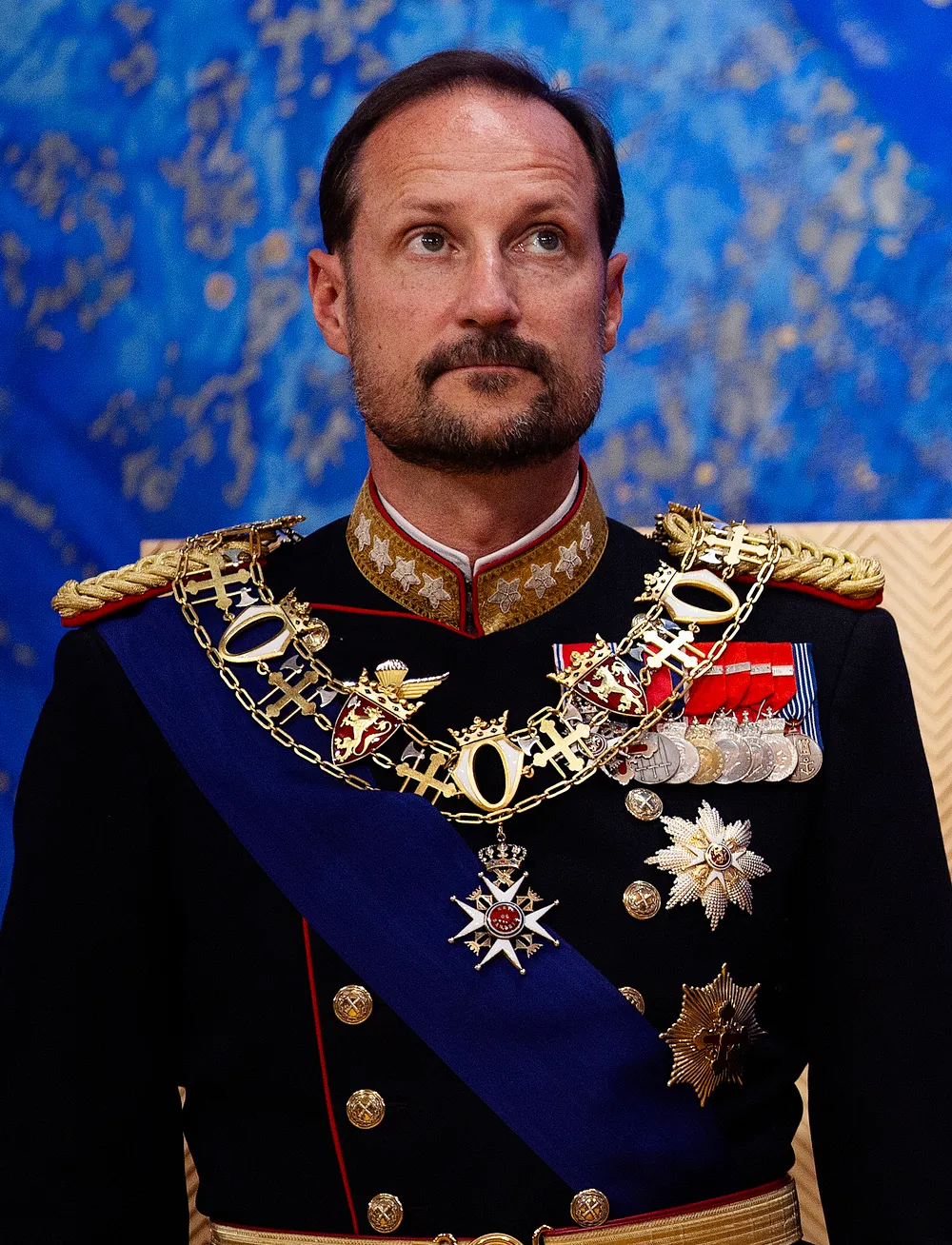
The Norwegian Parliament (Storting) held a formal coronation ceremony on 29 August 2026, during which Haakon VIII swore his oath in the parliamentary chamber and was proclaimed King of Norway following the death of his predecessor, Harald V. At the same event, his eldest daughter, Princess Ingrid Alexandra, took an oath to assume the role of heir apparent, becoming Crown Princess.
Haakon VIII, born Haakon Magnus on 20 July 1973, is the only son of Harald V and Queen Sonja and the fourth-generation monarch of the House of Glücksburg. Under the Norwegian constitution, succession follows male-preference primogeniture; consequently, Haakon automatically succeeded to the throne upon his father’s death and formally pledged to uphold the constitution and parliamentary oversight during the ceremony. Princess Ingrid Alexandra, the eldest child of Haakon and Crown Princess Mette‑Marit, has been designated the first in line to the throne.
During his tenure as heir apparent, Haakon combined naval officer training with academic and international experience. He earned a Bachelor of Arts in political science from the University of California, Berkeley, and a Master’s degree in development studies from the London School of Economics and Political Science. He has served as a goodwill ambassador for the United Nations Development Programme (UNDP) and is active in the Young Global Leaders network and on the board of its foundation. As commander‑in‑chief of the Norwegian Armed Forces, he has long championed maritime safety, Arctic environmental protection, and renewable‑energy policy.
Haakon’s accession carries symbolic significance for both domestic and foreign affairs. As a constitutional monarch, his role is chiefly that of a unifying national figure and a representative in diplomatic ceremonies, while actual political decision‑making remains the responsibility of the Storting and the cabinet. The Crown Princess’s oath underscores Norway’s formal inclusion of absolute cognatic succession, a move that enjoys broad public support and demonstrates that the monarchy continues to hold a degree of cohesion in a modern democratic society.
For Taiwan, Norway’s royal transition highlights two points of interest: first, Norway’s strategic positioning in Arctic shipping routes and maritime security, which parallels Taiwan’s own challenges in sea‑lane safety and energy supply; second, Haakon’s active involvement in international development and sustainability issues, offering a potential model for Taiwan’s efforts in sustainable development and multilateral cooperation. Although Taiwan and Norway differ markedly in their political systems, the coronation ceremony provides Taiwanese readers with insight into the functioning of a Western European constitutional monarchy and its role in global affairs.
Produced by our editorial team, with AI assistance in editing.