Gunmen Kill Nurse and Injure Health Worker in DRC Ebola Ambush
Unidentified gunmen launched a fatal attack against a medical response team in Bafwasende, located in the Tshopo Province of the Democratic Republic of the
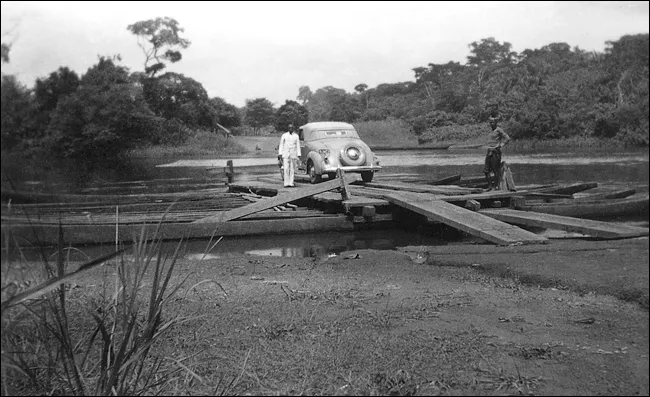
Unidentified gunmen launched a fatal attack against a medical response team in Bafwasende, located in the Tshopo Province of the Democratic Republic of the Congo, killing a nurse and leaving another health worker seriously injured. The assault occurred as the medical personnel were actively responding to a confirmed Ebola case within the region, which has been grappling with persistent health emergencies and security challenges.
Local authorities reported that the ambush targeted the team while they were transiting along the Lindi River corridor to reach the affected community. The identity and motives of the attackers remain unknown, though the incident underscores the severe dangers faced by frontline health workers operating in conflict-affected zones of Central Africa. Humanitarian agencies have repeatedly warned that armed violence severely compromises epidemic containment efforts, putting both local populations and medical staff at extreme risk.
The Democratic Republic of the Congo has experienced multiple Ebola outbreaks over recent decades, often complicated by concurrent humanitarian crises, armed insurgencies, and community mistrust. Bafwasende, a remote and heavily forested territory, presents significant logistical hurdles for health responders who must navigate difficult terrain while remaining vulnerable to sporadic violence from various armed groups active in the wider region.
International health organizations and local officials have strongly condemned the latest violence, emphasizing that the obstruction of medical missions directly threatens regional and global health security. Responding to infectious diseases such as Ebola requires swift, unimpeded access and absolute security for personnel tasked with contact tracing, patient care, and vaccination campaigns.
While the immediate impact of the violence is localized to the health infrastructure of Tshopo Province, the incident carries broader implications for global health resilience and international security cooperation. Health crises originating in fragile states can rapidly transcend borders, making the safety of medical workers a matter of international concern. Ensuring stability and the protection of humanitarian corridors in resource-rich regions like Central Africa remains vital for preventing localized outbreaks from escalating into wider regional emergencies.
Produced by our editorial team, with AI assistance in editing.