
Georgia High School Shooter Sentenced to Four Life Terms Without Parole.
A shocking school shooting at Apalachee High School in Winder, Georgia, USA, which occurred in 2024, has finally reached a conclusion with the perpetrator
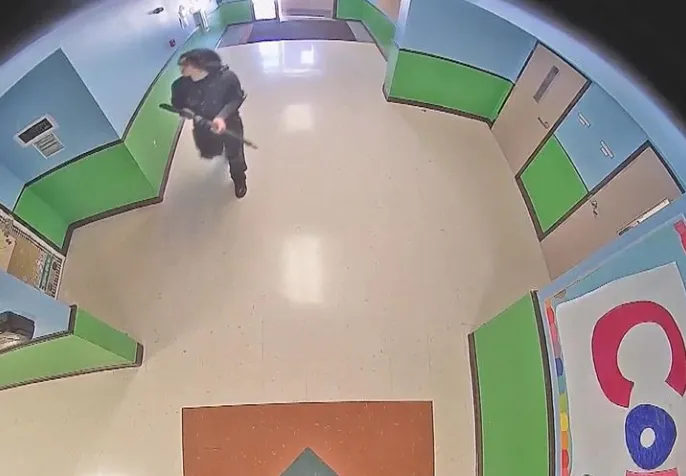
A shocking school shooting at Apalachee High School in Winder, Georgia, USA, which occurred in 2024, has finally reached a conclusion with the perpetrator being sentenced to four life sentences without the possibility of parole. However, the heated debate over school safety and gun control in the United States has once again gained intense attention from all sectors of society.
Recalling the context of this case, the United States has long been entrenched in a structural predicament of frequent school shootings. According to statistics, the rate of gun violence incidents in American schools is far higher than in other developed countries. Between 2009 and 2018, the number of school shootings in the United States was more than 50 times that of the combined total of the seven major industrial nations (G7). These events often result in severe casualties and not only shatter numerous families but also become a core issue in domestic politics, sparking fierce disputes over gun rights, gun control regulations, and school security policies.
Research on the motivations of school shooters has shown that these tragedies are often intertwined with complex social and psychological factors. The study found that shooters generally have easy access to firearms and often have problems such as family dysfunction, lack of family supervision, and untreated mental illnesses. Regarding specific motivations, 75% of attackers had been subjected to bullying, harassment, or threats, followed by 61% seeking revenge, and over half of the perpetrators had multiple motives, including attempting to solve personal problems, depression, suicidal tendencies, or seeking attention and social recognition.
In this case, the court handed down a life sentence without parole to the Apalachee High School shooter, demonstrating the United States' judicial system's tough stance on severe school violence cases. However, the harsh sentence has not alleviated the societal concern over potential future crises. Education officials and public health experts widely believe that relying solely on post-event legal penalties cannot solve the problem; instead, how to implement psychological support from the source, strengthen family and school warning mechanisms, and push for stricter gun safety management is the fundamental way to prevent similar tragedies from recurring.
For Taiwan, although the country is subject to strict firearm regulations, making it difficult for civilians to easily obtain firearms, and there is no large-scale culture of school shootings in Taiwan, this type of event still has significant implications. By paying attention to the causes of school shootings in the United States, Taiwan's education and law enforcement authorities can re-examine the school safety protection network, build student psychological health counseling resources, and intervene early to address school bullying and adolescent psychological crises, ultimately enhancing the social resilience of prevention.
Produced by our editorial team, with AI assistance in editing.