GCC Halts Iran Diplomatic Talks After Houthi Missile Strikes Hit Saudi
Saudi Arabia and its fellow Gulf Cooperation Council (GCC) members announced on Monday that they are suspending a series of diplomatic talks with Iran that
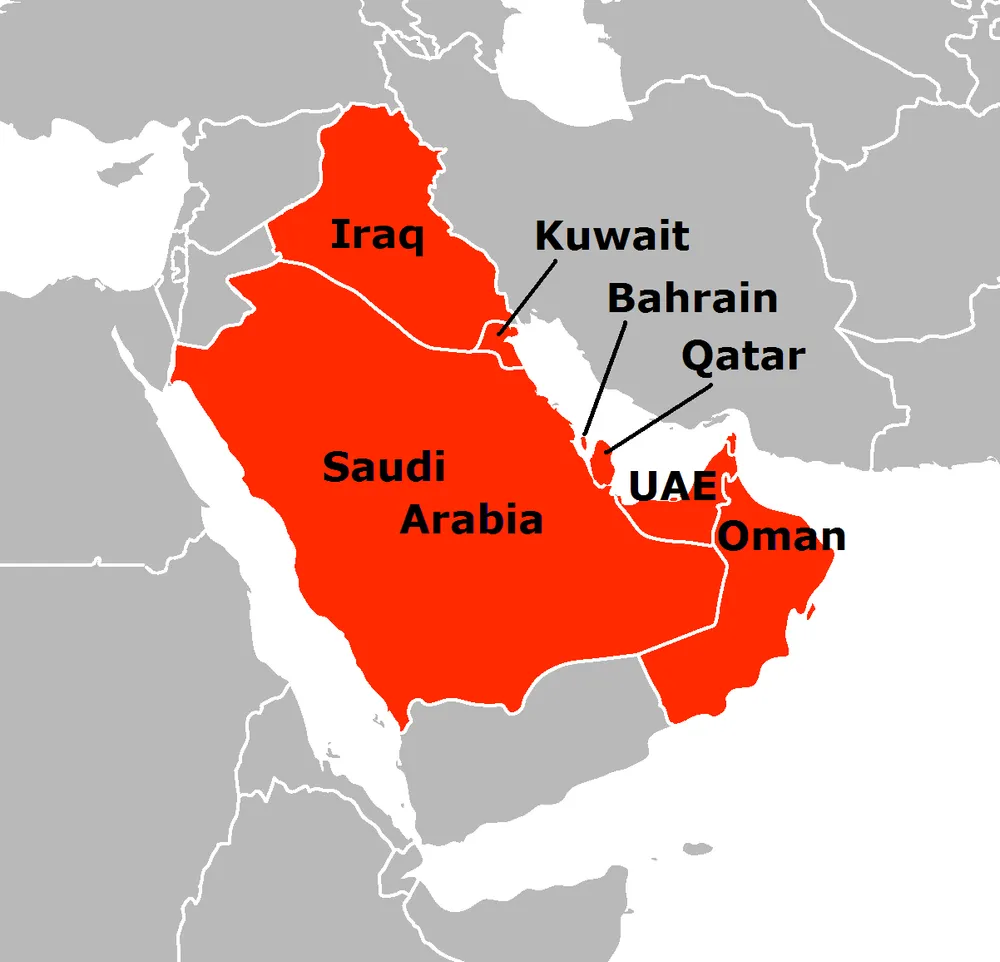
Saudi Arabia and its fellow Gulf Cooperation Council (GCC) members announced on Monday that they are suspending a series of diplomatic talks with Iran that had been scheduled for later this month. The decision follows a spate of ballistic missile strikes launched by Yemen’s Houthi rebels that hit Saudi territory and the forces of Yemen’s internationally recognised government. The GCC states said the attacks, which they attribute to Iranian support for the Houthis, made it impossible to proceed with the peace‑building initiative while Tehran continued to back what they described as “terrorist aggression” in the Red Sea corridor.
The planned talks were part of a broader, U.S.-backed effort to de‑escalate the long‑standing rivalry between Tehran and the Gulf monarchies, which has been punctuated by disputes over maritime security, proxy conflicts and competing visions for the region’s political order. Since the 2015 Saudi‑led intervention in Yemen, the GCC has pressed Iran to curtail its material assistance to the Houthi movement, which it accuses of receiving weapons, including ballistic missiles, from Tehran. Iran, for its part, denies direct involvement, arguing that the Houthis act independently in response to the Saudi‑UAE coalition’s campaign that it views as an illegal occupation of Yemeni soil.
The latest missile attacks underscore the volatility of the Yemen front, where the Houthis have stepped up their use of longer‑range rockets to strike deep inside Saudi Arabia, including the oil‑rich Eastern Province, and to target the forces of President Abd‑Rabbu Mansour Hadi, which are backed by the United Arab Emirates. The GCC states, which include Bahrain, Kuwait, Oman, Qatar, Saudi Arabia, and the United Arab Emirates, have long framed the Houthi campaign as a direct extension of Iranian meddling, citing intercepted shipments and intelligence assessments that link Tehran’s Revolutionary Guard to the supply chain of arms and explosives.
From Tehran’s perspective, the conflict in Yemen is a strategic lever that allows it to pressure the Gulf states and to challenge the U.S. presence in the region without engaging in open warfare. Iranian officials have repeatedly called for a political settlement that would end the Saudi‑UAE‑backed coalition’s operations and restore the Houthi‑controlled territories to a “legitimate” Yemeni government, a stance they argue is consistent with international law. Nonetheless, they have also warned that any diplomatic overtures from the GCC must be accompanied by a cessation of hostilities and a genuine recognition of the Houthis’ political role, conditions the Gulf states deem unacceptable without concrete evidence of Iranian disengagement.
The suspension of the talks is likely to deepen the diplomatic stalemate that has persisted since the 2022 cease‑fire negotiations in Oman failed to produce a lasting framework. While the GCC maintains its commitment to regional security and the protection of maritime trade routes that pass through the Strait of Hormuz, the cancellation signals a hardening of its posture toward Iran, potentially prompting Tehran to further leverage its proxy networks. Analysts caution that without a channel for dialogue, the risk of miscalculation rises, especially as both sides continue to modernise their missile capabilities and conduct naval exercises in the Gulf.
The development carries implications beyond the immediate Middle East theatre. The Gulf states are pivotal suppliers of crude oil and refined products to the global market, and any escalation that threatens the security of the Strait of Hormuz could disrupt oil flows, driving up prices worldwide. For Taiwan, which relies heavily on imported energy to power its high‑tech manufacturing sector, heightened volatility in oil markets translates into higher production costs and could pressure the already delicate semiconductor supply chain. Moreover, the broader instability may affect international shipping lanes that connect East Asian ports with the Middle East and Europe, underscoring why the suspension of GCC‑Iran talks is of strategic interest to economies far beyond the Arabian Peninsula.
Produced by our editorial team, with AI assistance in editing.