France Gripped by Nationwide 'Yellow Vest' Protests as Arrests Top 1,000
France was gripped by a severe wave of civil unrest over the weekend as the "yellow vest" movement staged its second major national day of demonstrations.
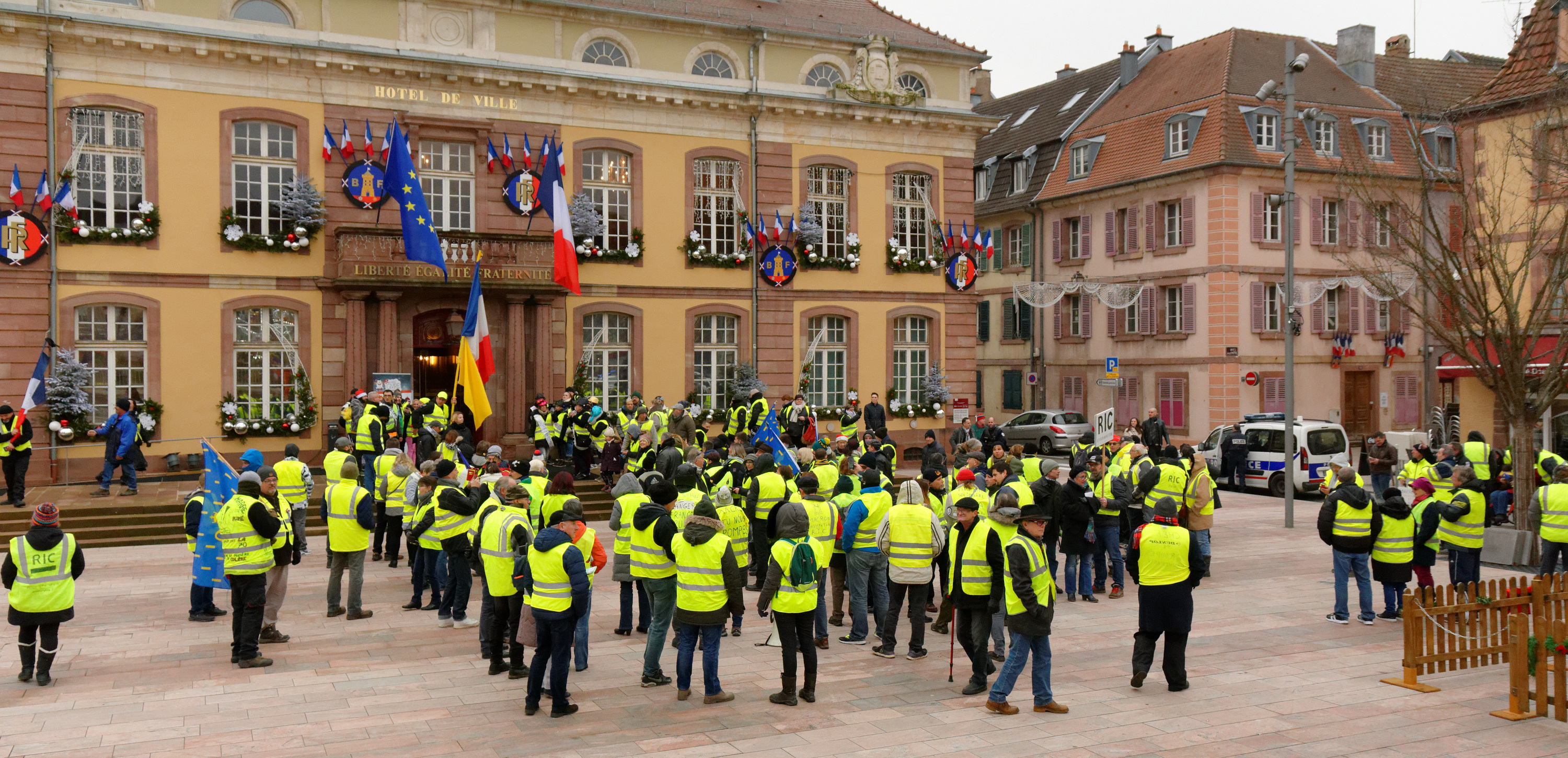
France was gripped by a severe wave of civil unrest over the weekend as the "yellow vest" movement staged its second major national day of demonstrations. Official estimates place nationwide turnout at approximately 410,000 participants, marking a substantial escalation in the populist uprising. Law enforcement agencies reported widespread clashes, particularly in major urban centers, resulting in more than 1,000 arrests as security forces struggled to contain violent fringe elements that infiltrated the largely grassroots gatherings.
The movement, named after the high-visibility safety jackets mandatory in all French vehicles, initially erupted in mid-November following a viral online petition that garnered nearly one million signatures. At its core, the unrest was catalyzed by mounting public frustration over rising fuel prices and crude oil taxes, which many citizens argued would disproportionately penalize working- and middle-class families living outside major metropolitan areas. What began as opposition to environmental taxation quickly broadened into a general indictment of high living costs, perceived economic inequality, and the fiscal policies of President Emmanuel Macron’s administration.
As momentum built, the decentralized movement formalized its grievances through a widely circulated list of 42 demands spanning fiscal justice, democratic reform, and social equity. Protesters called not only for the rollback of fuel levies and the restoration of a wealth tax on high earners, but also for increases to the national minimum wage and, in many cases, the resignation of President Macron. The lack of a traditional hierarchical leadership structure, combined with the rapid mobilization afforded by social media platforms, made the demonstrations particularly difficult for the government to negotiate with or suppress.
The latest round of demonstrations was further complicated by the convergence of extremist elements from both ends of the political spectrum, alongside anarchist factions known as black blocs, leading to significant property damage, looting, and pitched battles with riot police. In response, the French government has faced mounting pressure to balance public safety and the preservation of infrastructure with the democratic right to protest, while scrambling to formulate economic concessions that might appease the demonstrators without completely abandoning its reform agenda.
While rooted in domestic French fiscal grievances, the prolonged social instability in the eurozone's second-largest economy carries broader implications for European stability and market confidence. Extended disruptions to commerce, transportation, and consumer spending in France can dampen broader European Union economic growth and complicate the bloc's ambitious green transition policies, which rely heavily on public buy-in for carbon pricing and fuel taxation. For international observers and trading partners, the movement serves as a cautionary case study on the delicate political tightrope governments must walk when implementing economic reforms that risk alienating vulnerable socio-economic segments.
Produced by our editorial team, with AI assistance in editing.