
Four Tōbu Railway workers killed in express train collision near Kanuma
Four railway workers were killed on Tuesday after they were struck by a limited‑express train on the Tōbu Nikkō Line in the city of Kanuma, Tochigi Prefect
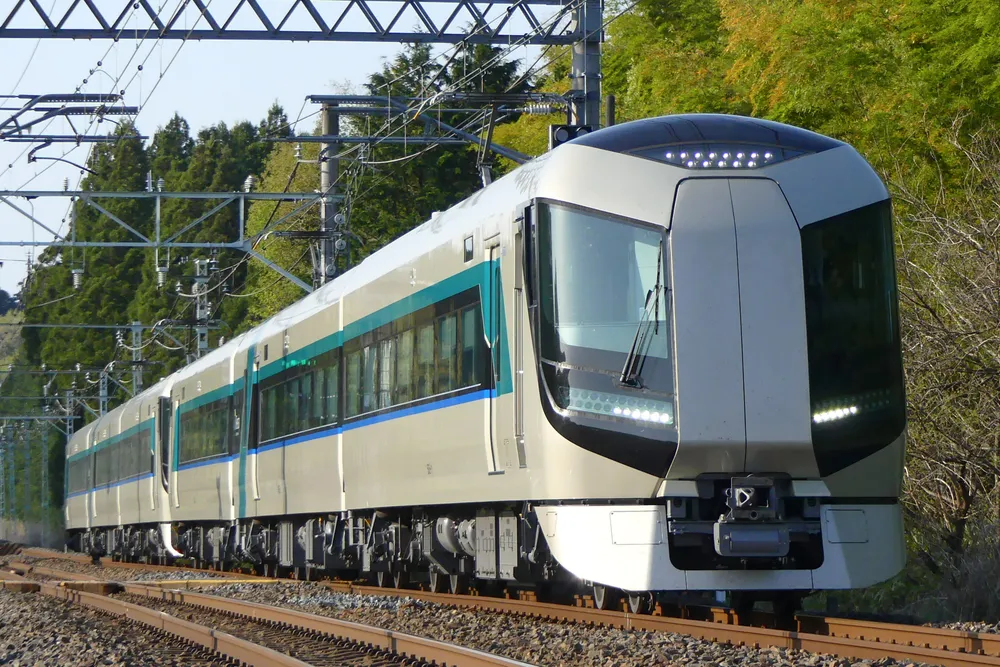
Four railway workers were killed on Tuesday after they were struck by a limited‑express train on the Tōbu Nikkō Line in the city of Kanuma, Tochigi Prefecture. The accident occurred in the early hours of the morning when a maintenance crew was on the tracks near Kanuma Station, and a south‑bound limited‑express service traveling from Tōbu Nikkō Station to Asakusa collided with the workers. The victims, all employees of Tōbu Railway’s maintenance division, were identified by the company later in the day, and the line was temporarily shut down while emergency services attended to the scene and conducted a preliminary investigation.
The Tōbu Nikkō Line is a 94.5‑kilometre private railway route that links the Skytree Line at Tōbu Dōbutsu Kōen Station in Miyashiro, Saitama, with the historic tourist destination of Nikkō in Tochigi Prefecture. Operated by the Tōbu Railway Group, the line serves both commuter traffic and a substantial flow of domestic tourists heading to Nikkō’s shrines, temples and natural attractions. Branching off at Shin‑Tochigi Station, the line connects to the Utsunomiya Line, while a further spur at Shimo‑Imaichi Station links to the Kinugawa Line, which provides access to the Kinugawa Onsen resort area. The route is heavily used throughout the year, with limited‑express services providing rapid connections between Tokyo’s Asakusa district and the northern terminus at Tōbu Nikkō Station, a journey that typically takes just over two hours.
Japan’s railway system is renowned for its safety record, punctuality and technological sophistication, a reputation built on strict operational protocols and rigorous training for both drivers and maintenance staff. Nonetheless, accidents involving maintenance crews, though rare, have occurred in the past, often prompting reviews of safety procedures such as track‑occupancy signalling, communication between dispatchers and on‑site workers, and the timing of maintenance windows. In this incident, preliminary reports indicate that the crew was performing routine track work when the train entered the section at a speed consistent with its limited‑express schedule. The exact sequence of events—whether a signalling error, miscommunication, or procedural lapse contributed—remains under investigation by the Railway Bureau of the Ministry of Land, Infrastructure, Transport and Tourism, which will issue a detailed findings report after a full inquiry.
Tōbu Railway, one of Japan’s largest private railway operators, has expressed condolences to the families of the deceased and pledged full cooperation with authorities. In a statement released shortly after the accident, the company said it would suspend all maintenance activities on the affected segment until safety checks are completed and the line is deemed secure for regular service. The incident also led to the temporary suspension of limited‑express services on the Nikkō Line, with alternative bus shuttles arranged to ferry passengers between key stations. Such disruptions, while short‑lived, highlight the delicate balance railway operators must maintain between keeping vital transport links open and ensuring the safety of personnel working on active tracks.
The tragedy carries implications beyond the immediate loss of life. Japan’s railway industry is a major exporter of high‑speed train technology, signalling equipment and rolling‑stock components to markets across Asia, including Taiwan, where Japanese firms have supplied locomotives, track‑maintenance machinery and safety systems for decades. A renewed focus on operational safety standards could influence future procurement decisions and collaborative projects, prompting both Japanese manufacturers and their overseas partners to reassess risk‑management protocols. Moreover, the Nikkō Line is a conduit for tourism between Tokyo and the culturally significant sites of Tochigi Prefecture; any prolonged service interruption could affect visitor numbers, with downstream effects on local economies that depend on inbound travel, a sector that also benefits Taiwanese tour operators and travel agencies. The incident therefore underscores the interconnected nature of regional transport networks, where safety lapses in one jurisdiction can ripple through supply chains, tourism flows and bilateral commercial relations.
Produced by our editorial team, with AI assistance in editing.