
Four Railway Workers Killed in Tōbu Nikkō Line Train Collision in Tochigi
Four railway workers were killed on Tuesday when a limited‑express train on the Tōbu Nikkō Line struck them near Kanuma in Tochigi Prefecture, Japan, offic
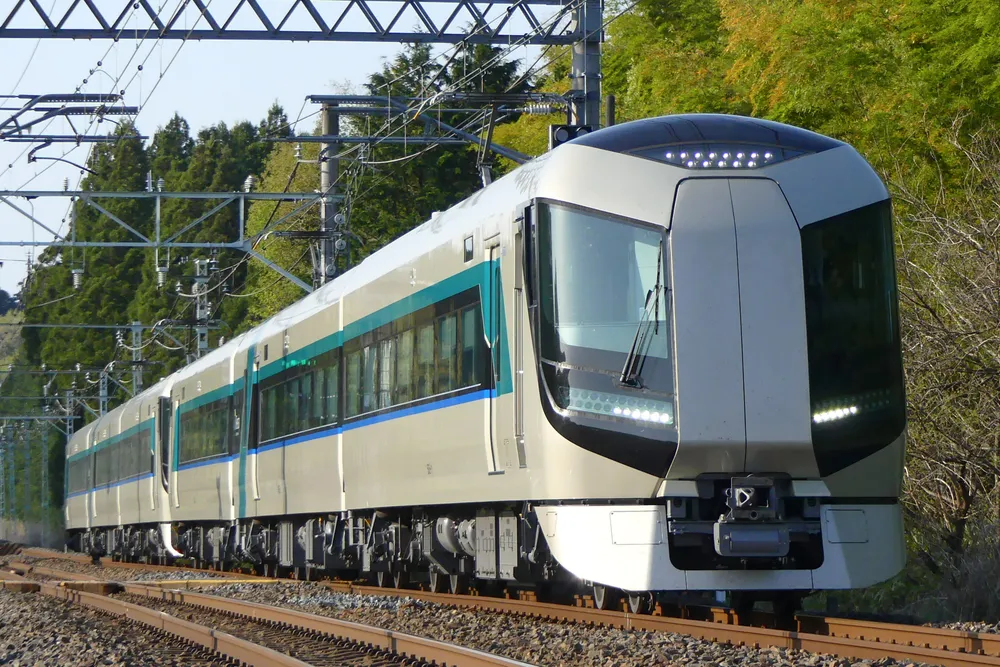
Four railway workers were killed on Tuesday when a limited‑express train on the Tōbu Nikkō Line struck them near Kanuma in Tochigi Prefecture, Japan, officials said. The incident occurred during the early afternoon, when the workers were performing maintenance on the track. Rescue crews retrieved the bodies and confirmed the deaths, while the train was halted and later removed from the line. Tōbu Railway, the private operator of the line, announced that services between the affected stations would be suspended pending an investigation and that it would provide support to the victims’ families.
The Tōbu Nikkō Line, a 94.5‑kilometre (58.7‑mile) route owned by Tōbu Railway, connects the Tokyo metropolitan area with the historic city of Nikkō in Tochigi Prefecture. Beginning at Tōbu Dōbutsu Kōen Station in Miyashiro, Saitama, the line branches northward through a mixture of suburban and mountainous terrain before terminating at Tōbu Nikkō Station. It also links to two subsidiary routes – the Utsunomiya Line at Shin‑Tochigi Station and the Kinugawa Line at Shimo‑Imaichi Station – forming a network that carries commuters, tourists and freight. The line is a key conduit for domestic tourism, especially during the autumn foliage season, and supports regional economic activity by linking local businesses to larger markets in the Tokyo area.
In the aftermath of the accident, Tōbu Railway’s spokesperson expressed deep regret and pledged full cooperation with the National Police Agency and the Transport Safety Board, which will lead the formal inquiry. The company indicated that it would conduct an internal review of its safety protocols, including work‑site communication, signaling procedures, and the timing of track‑side activities relative to train operations. Labor unions representing railway workers have called for a transparent investigation and have urged the operator to reassess the scheduling of maintenance work, arguing that crews are often pressured to complete tasks within narrow windows that may compromise safety.
The Japanese government’s Ministry of Land, Infrastructure, Transport and Tourism (MLIT) has also weighed in, stating that it will monitor the investigation and, if necessary, issue new guidelines to prevent similar tragedies. In recent years, Japan has experienced a series of railway accidents that have prompted calls for stricter oversight, especially as private operators expand high‑speed services and increase the frequency of limited‑express trains. Safety advocates point to the need for clearer separation between maintenance crews and active train lines, as well as enhanced training in hazard recognition and emergency response.
While the incident is a domestic tragedy, it reverberates beyond Japan’s borders. Taiwan’s own railway system, which includes both conventional and high‑speed lines, has faced safety concerns after a series of derailments and worker injuries in the past decade. The accident underscores the universal challenges of balancing efficient rail operations with worker protection, an issue that resonates with Taiwan’s Ministry of Transportation and Communications, which has been reviewing its own maintenance scheduling and safety standards. Moreover, the Tōbu Nikkō Line’s role in facilitating tourism to heritage sites mirrors Taiwan’s reliance on rail‑linked tourism to attract visitors to cultural destinations such as Sun Moon Lake and the historic towns of Tainan. Lessons drawn from Japan’s investigation could inform policy adjustments in Taiwan, encouraging tighter coordination between railway operators, labor unions and regulatory bodies to safeguard both workers and passengers.
Produced by our editorial team, with AI assistance in editing.