Former Atlanta mayor Bumpus wins, becomes Georgia's first Black female governor.
The state of Georgia recently held a closely watched gubernatorial election, in which Democratic candidate Keisha Lance Bottoms, the former mayor of Atlant
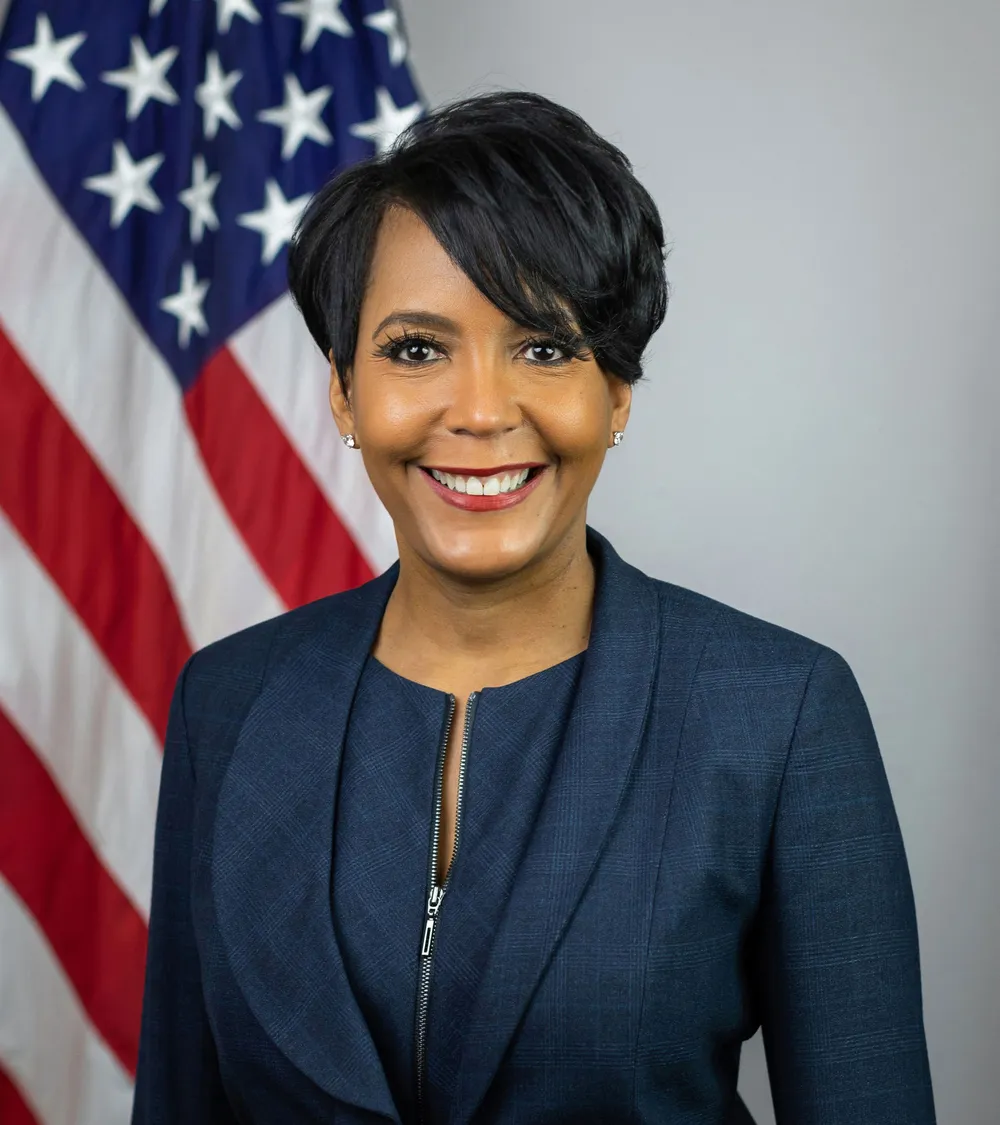
The state of Georgia recently held a closely watched gubernatorial election, in which Democratic candidate Keisha Lance Bottoms, the former mayor of Atlanta, defeated her Republican opponent, Rick Jackson, to be inaugurated as the state’s new governor. This election not only shifted the political landscape of the state but also marked a historic milestone in the United States. Bottoms has officially become the first elected African American woman to serve as a governor in U.S. history, as well as the first female and first African American governor in Georgia’s history.
Now 56 years old, Bottoms possesses extensive legal and political experience. She served as an Atlanta city council member from 2010 to 2018 and was subsequently elected as the 60th mayor of Atlanta in 2017. During her tenure, she navigated critical periods marked by nationwide social movements and the public health crisis. Her time as mayor garnered her national recognition. After leaving office, she entered the core of Washington, D.C., serving as the Vice Chair for Civic Engagement and Voter Protection at the Democratic National Committee (DNC). She later joined the Biden administration, where she served as a senior advisor and director of the White House Office of Public Liaison and as a member of the President’s Export Council. This wealth of federal and local governance experience provided a solid foundation for her successful bid for the governorship.
In the recent Georgia race, Bottoms faced a strong challenge from Republican nominee Jackson. Georgia has long been considered a crucial battleground in Southern U.S. politics. While traditionally rooted in conservative ideology, the state’s political leanings have increasingly become competitive due to demographic shifts and the expansion of metropolitan areas. Bottoms’s victory reflects the Democratic Party’s ability to mobilize voters in the state’s urban and suburban regions. It also signifies voter approval of her combined experience in local governance and federal advisory roles, effectively breaking through the long-standing political barriers in the Deep South.
The election results immediately drew significant attention from the national political arena. Analysts note that this victory highlights a major milestone in the political participation of diverse ethnic groups in the United States. As Bottoms prepares to take office, she will not only shape the policy direction of this economic powerhouse in the South, but her symbolic presence will also exert a profound influence on the Democratic Party’s Southern strategy. This development is expected to set a new precedent for ethnic representation and the structure of political power in the American political landscape.
For Taiwan, Georgia serves as a key hub for trade and logistics in the U.S. South, hosting numerous multinational corporations and critical supply chain nodes. The transition in the governorship and the new administration’s industrial policies will directly impact the investment strategies and trade activities of Taiwanese businesses in the region. Furthermore, observing the rise of minority political leaders in U.S. local elections helps Taiwanese society gain a more comprehensive understanding of the dynamic development of the American democratic system and how local governance balances the interests and expectations of diverse communities in a pluralistic society.
Produced by our editorial team, with AI assistance in editing.