Flash floods in eastern Syria leave seven dead and four missing.
A series of severe flash floods triggered by heavy rainfall has left at least seven people dead, including five children, in eastern Syria. Local emergency
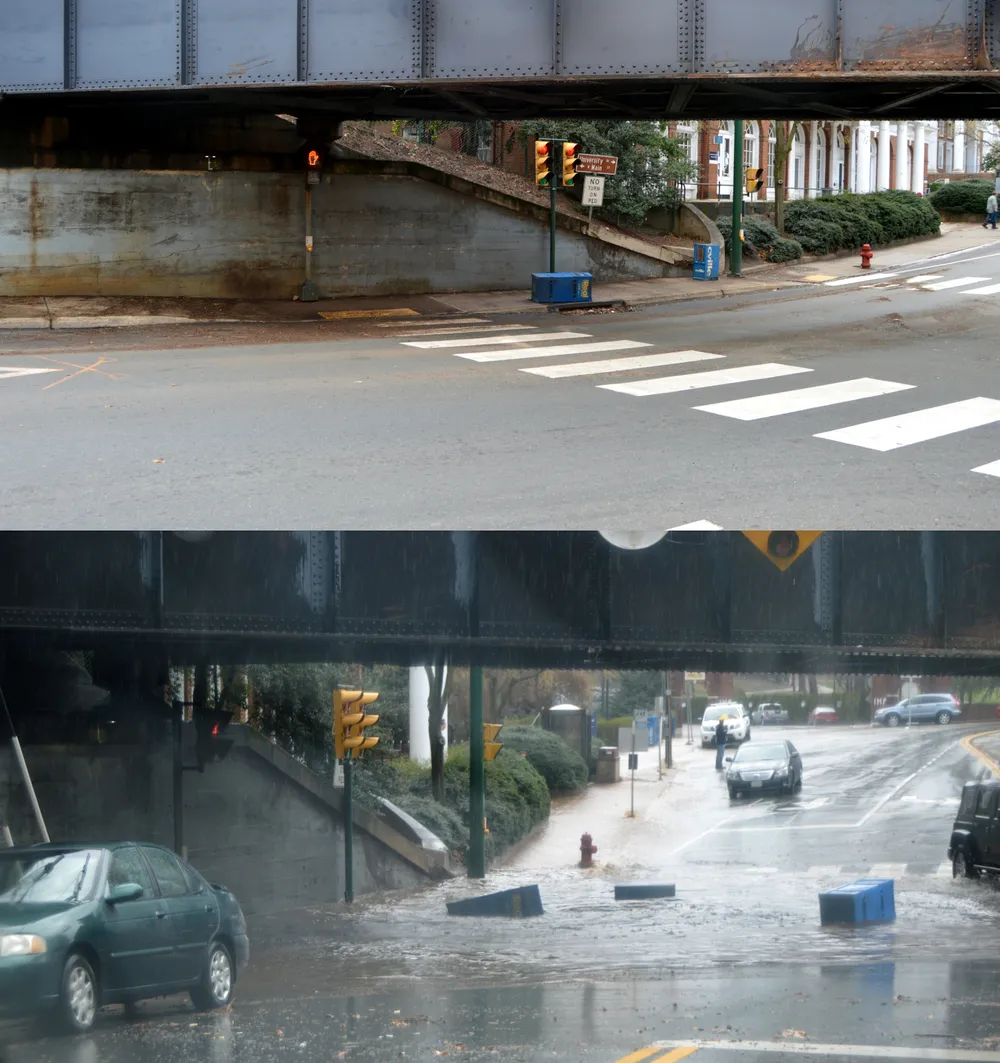
A series of severe flash floods triggered by heavy rainfall has left at least seven people dead, including five children, in eastern Syria. Local emergency services and rescue teams reported that five additional individuals sustained injuries, while four others remain missing as search and operations continue in the affected low-lying areas. The sudden deluge swept through vulnerable communities, inundating residential zones and catching residents off guard with little warning.
Flash floods are defined meteorologically as rapid inundations occurring within a six-hour window of the causative rainfall event. Unlike seasonal river floods, these sudden surges typically impact low-lying areas such as dry riverbeds, valleys, and drainage basins. They are frequently driven by intense convective storms that drop massive volumes of water in compressed timeframes, overwhelming local topography and drainage capacity before residents can evacuate.
The disaster in eastern Syria underscores the extreme vulnerability of regions with arid or semi-arid climates to sudden hydrological shifts. When prolonged drought conditions harden topsoil, the ground loses its ability to absorb heavy moisture quickly. Consequently, torrential downpours transform into high-velocity runoffs that carry heavy loads of sediment, uproot local vegetation, and devastate fragile infrastructure that lacks robust stormwater management systems.
Globally, rapid-onset flooding represents a severe meteorological hazard, historically accounting for significant loss of life and property damage due to the narrow margin between precipitation and cresting waters. While flash floods are often associated with intense thunderstorms or tropical weather systems, their destructive potential is magnified in conflict-affected or economically constrained regions like eastern Syria, where infrastructure is degraded and institutional disaster-response capabilities are severely strained.
For the broader Middle East, this tragedy highlights the compounding humanitarian challenges posed by increasingly erratic weather patterns and climate stress in vulnerable territories. As extreme weather events become more frequent across the region, the disaster underscores the critical need for enhanced early-warning systems, cross-border meteorological data sharing, and resilient local infrastructure to protect displaced and marginalized populations from sudden environmental shocks.
Produced by our editorial team, with AI assistance in editing.