
Five People Drown While Fishing in India's Godavari River Tragedy
A serious drowning incident occurred recently in the Indian state of Andhra Pradesh, where five people lost their lives while fishing along the banks of th
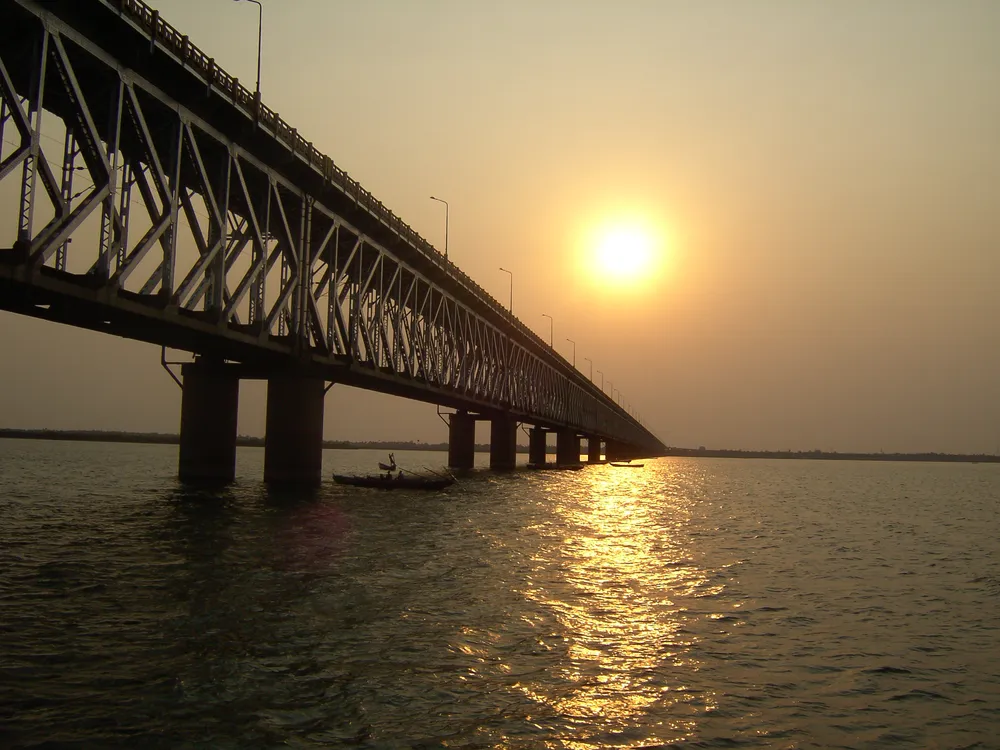
A serious drowning incident occurred recently in the Indian state of Andhra Pradesh, where five people lost their lives while fishing along the banks of the Godavari River in the Polavaram region. According to preliminary investigations by local police, the victims included three women and two men. It is believed that the group fell into the water due to unknown water levels or treacherous terrain and were unable to escape in time. Authorities launched a search operation upon receiving reports and subsequently recovered all five bodies. An investigation into the exact cause of the accident is currently underway.
The Godavari River is not only the longest river on the Indian peninsula but is also revered as the "Dakshina Ganga" (Ganges of the South). Its basin covers approximately 10% of India's total land area, spanning multiple states including Maharashtra, Telangana, and Andhra Pradesh, before ultimately emptying into the Bay of Bengal. As a vital source of water and irrigation for the region, the river is crucial to the livelihoods of tens of millions of people. However, its powerful currents and vast drainage system often present complex hydrological risks, particularly during the monsoon season or in areas with challenging topography, where turbulent water levels frequently pose a threat to those near the banks.
Over the past few decades, the Indian government has constructed numerous dams and barrages along the Godavari to regulate water levels and reduce evaporation. While these projects have successfully managed agricultural water supply, they have also altered the river’s original ecological and hydrological characteristics. Furthermore, the river’s delta region is densely populated—at twice the national average—making rescue operations significantly more difficult in the event of floods or drowning accidents. With climate change contributing to global sea-level rise, the flood risk in the lower Godavari basin has become a long-term environmental concern for local authorities. Balancing water resource development with public safety remains a formidable challenge for the Indian government.
This tragedy once again highlights the potential risks of engaging in recreational activities along vast and hydrologically complex river basins. Although the Indian government has long promoted water safety education, implementing comprehensive water-use regulations remains difficult given the river's massive scale and frequent human activity. In response to such accidents, local officials have urged the public to exercise heightened vigilance when near water and to strictly adhere to safety warning signs, particularly in sections with complex terrain or uncertain water conditions, emphasizing that the hidden threats of nature should not be underestimated.
While Taiwan lacks direct geographical or industrial ties to the Godavari River, the issues of large-scale river management and water safety offer valuable lessons for a nation characterized by mountainous terrain and short, volatile rivers. Taiwan, too, faces the risks of extreme rainfall brought on by climate change. Enhancing watershed management, increasing public awareness of drowning prevention and water environment risks, and striking a balance between infrastructure development and disaster prevention are crucial elements that cannot be overlooked in the promotion of pro-water policies. Furthermore, by observing the experiences and lessons of countries like India in managing large rivers, Taiwanese authorities can draw upon a broader range of international insights when formulating water conservancy policies, ultimately improving the safety of domestic water-based activities.
Produced by our editorial team, with AI assistance in editing.
